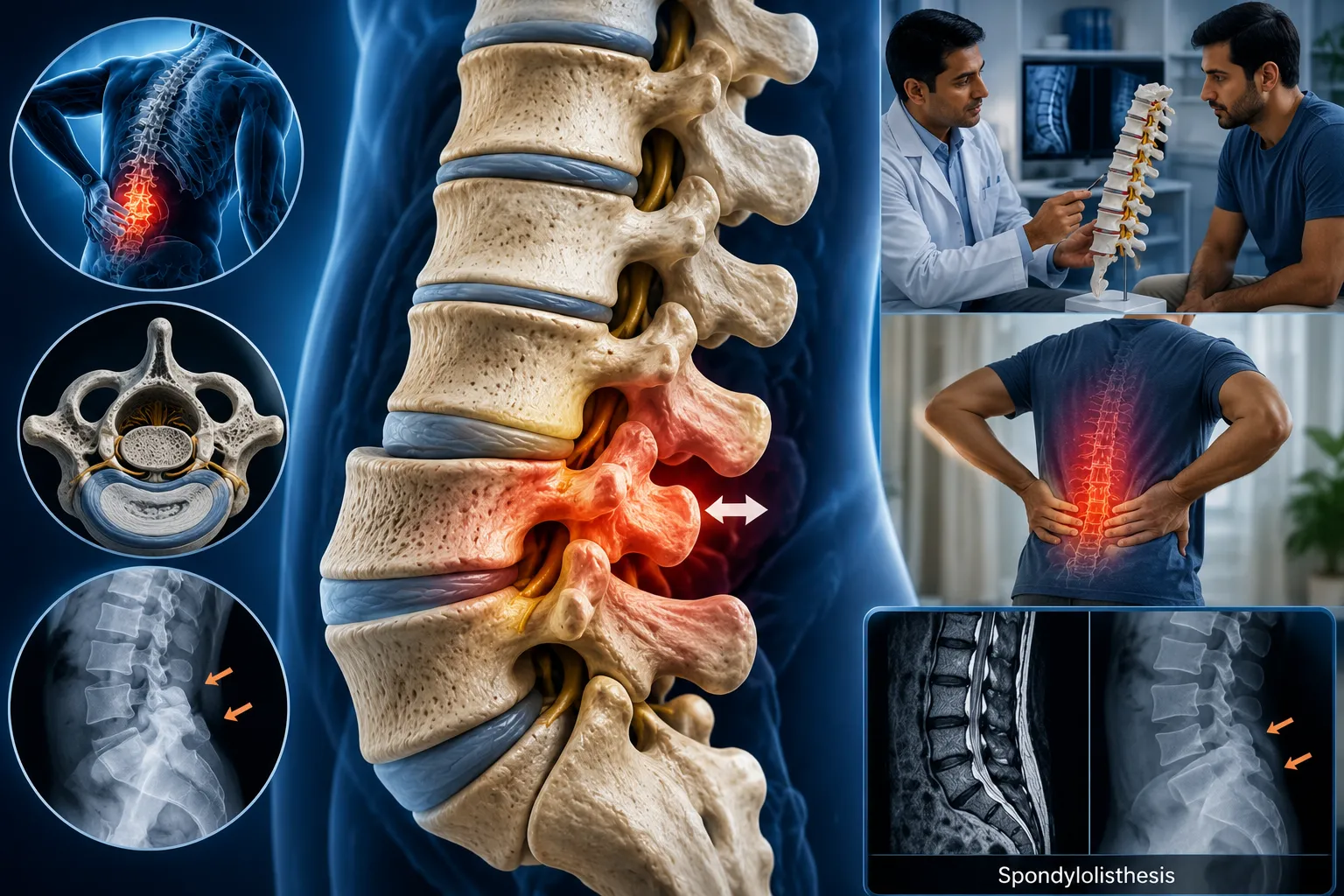
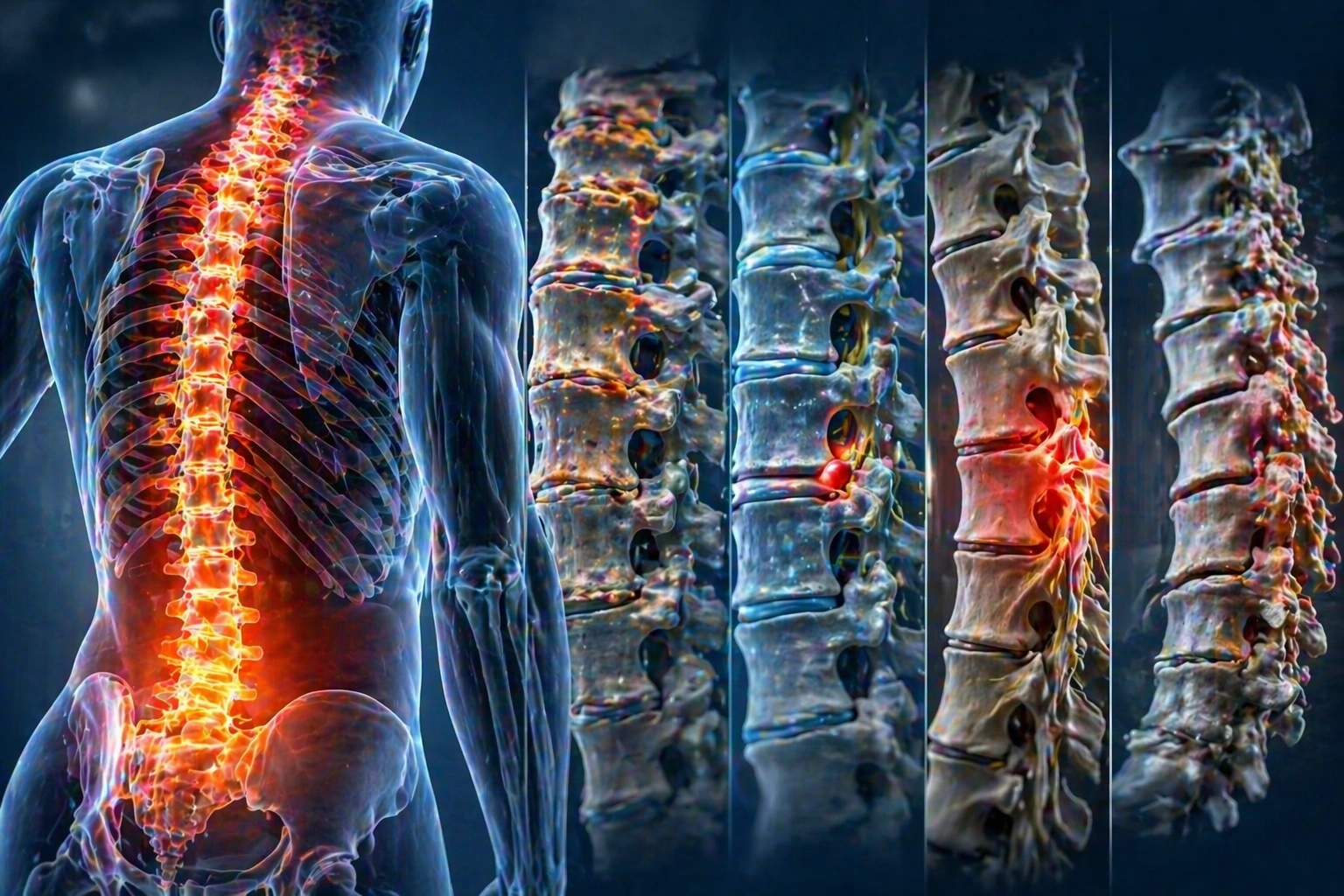
What is Spondylolisthesis?
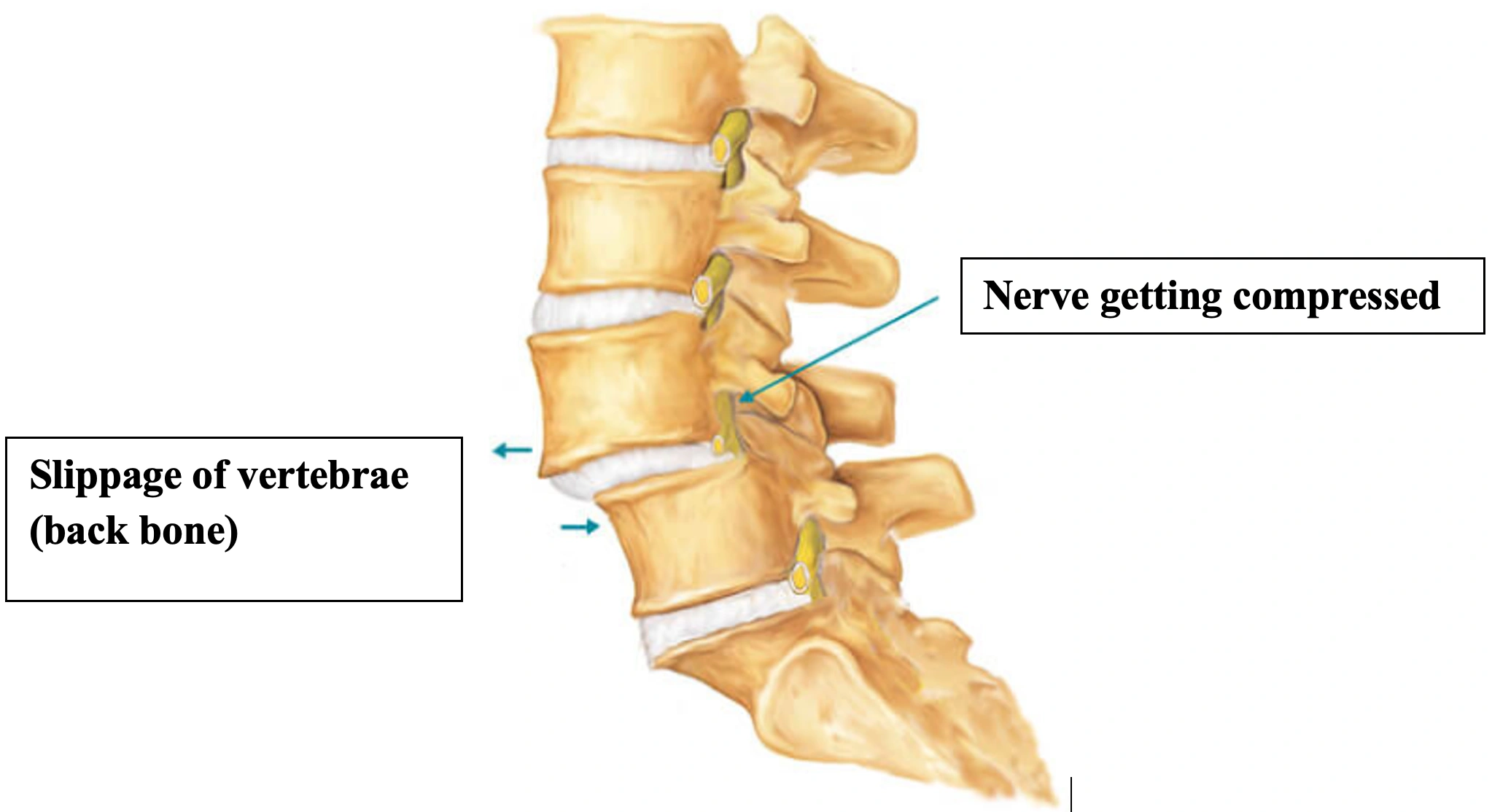
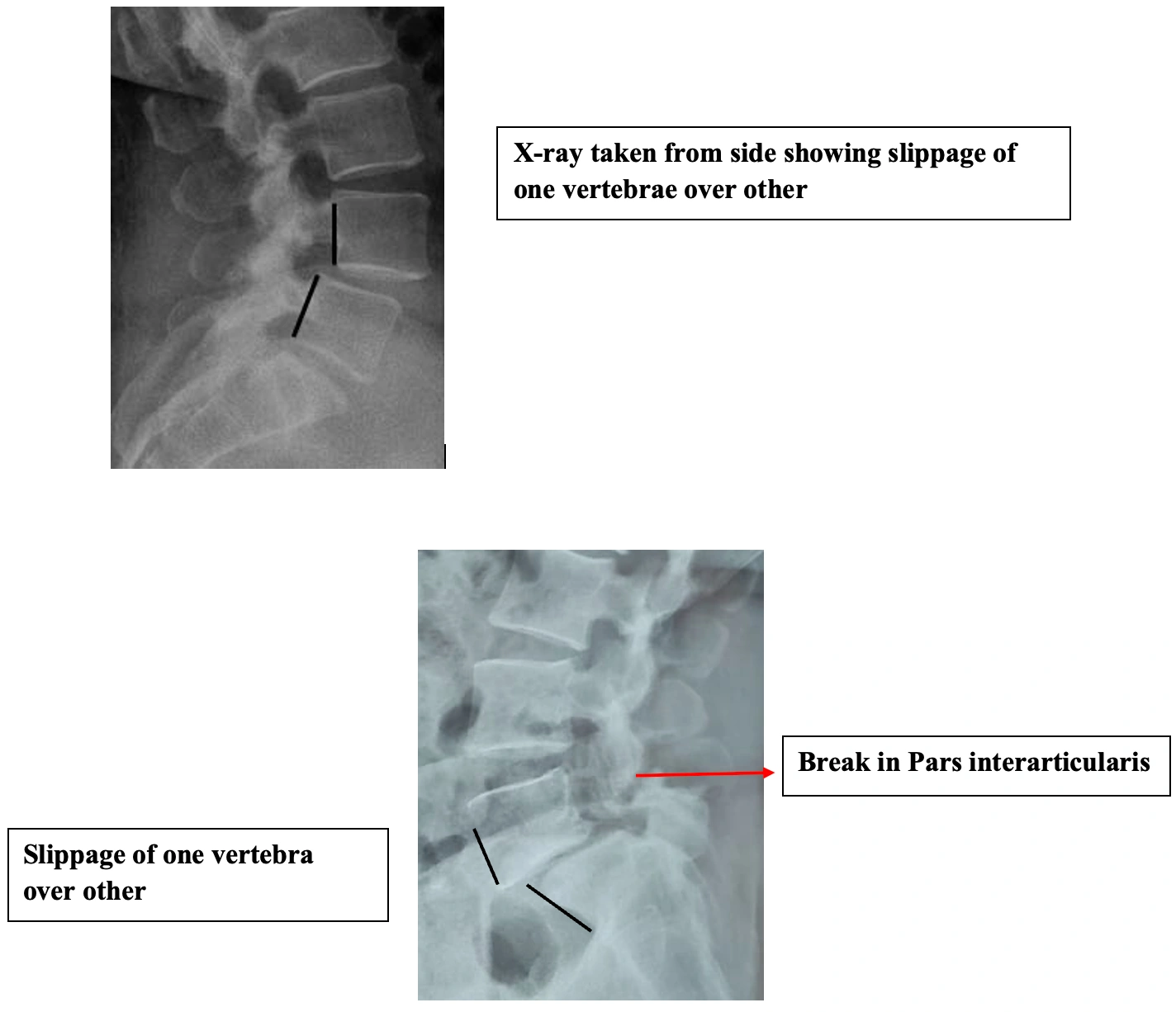
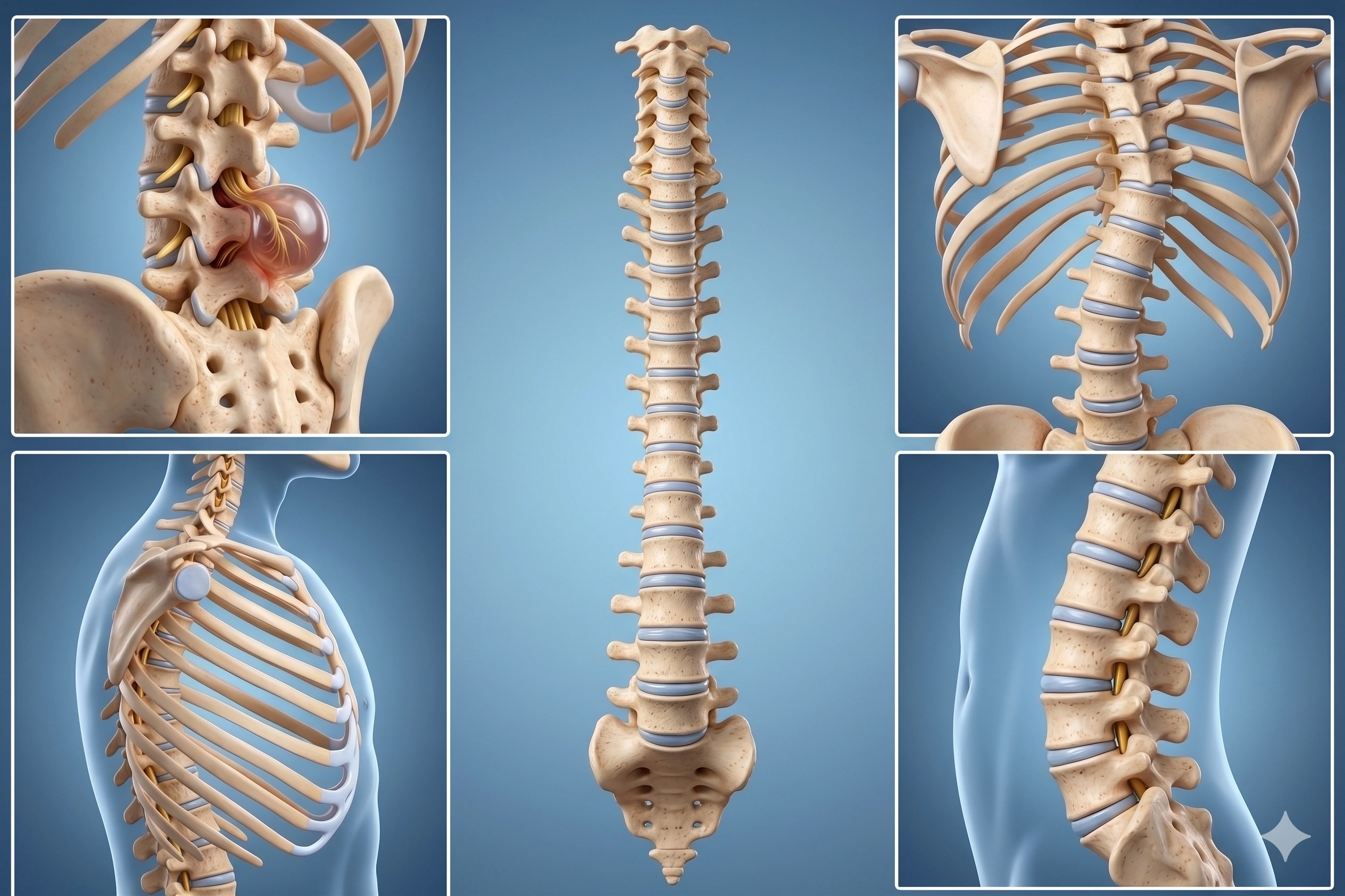
It is a condition which affects mainly lower back where there will be slippage of bones in your spine (vertebra) — slips forward and out of place.
What are the main types of Spondylolisthesis?
Degenerative (age related changes)
Spondylolytic (break in part of a back bone called Pars)
Recent trauma- fall/ accident
Tumor
Weakened bone quality due to any reasons
Degenerative Spondylolisthesis:
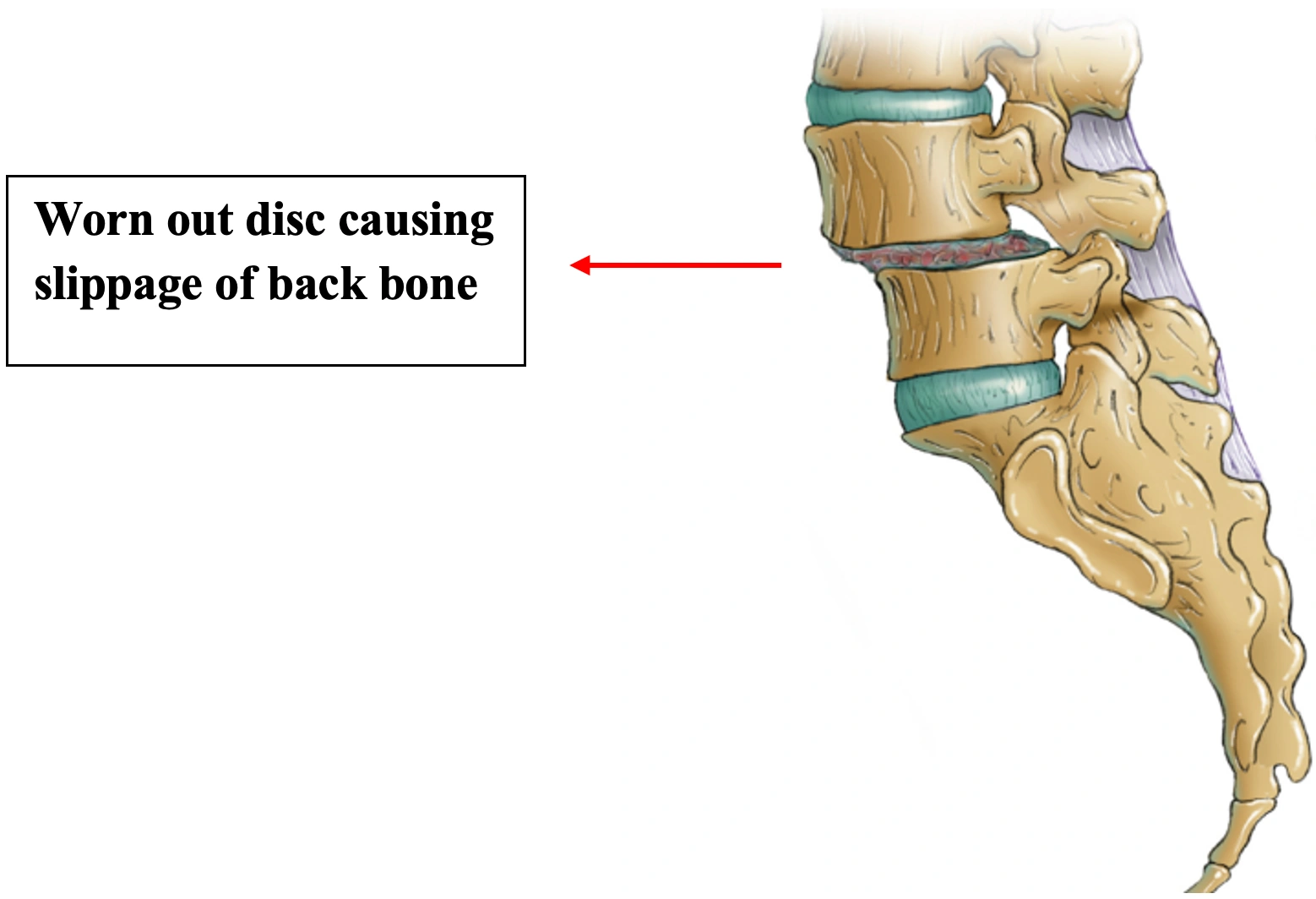
General wear and tear changes in the spine.
Intervertebral disc begins to dry out and weaken, looses height and becomes stiff.
Arthritis of joints of spine weakens the joints and ligaments that hold your vertebrae in the proper position.
One of the vertebrae on either side of a worn, flattened disk can loosen and move forward over the vertebra below it.
Spondylolytic Spondylolisthesis:
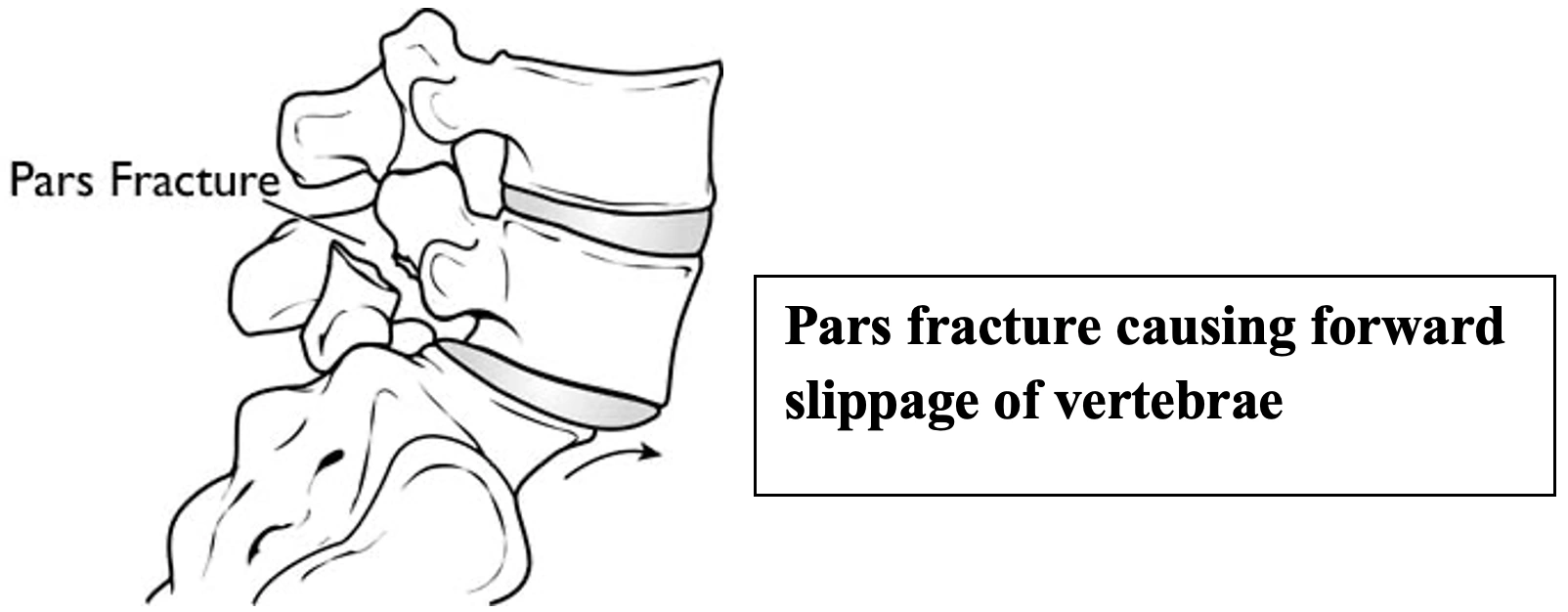
Break in part of back bone called Pars interarticularis will cause Slippage of bone.
Pars fracture occurs during adolescence and goes unnoticed until adulthood.
The normal disk degeneration that occurring in adulthood can then stress the pars leads to fracture and cause the vertebra to slip forward.
What are the presenting symptoms?
Lower back pain aggravates on getting up from sitting position and changing position while sleeping.
Early morning stiffness of back.
Radiating pain to the legs.
Difficulty in walking with altered walking style.
Diagnosis of Spondylolisthesis
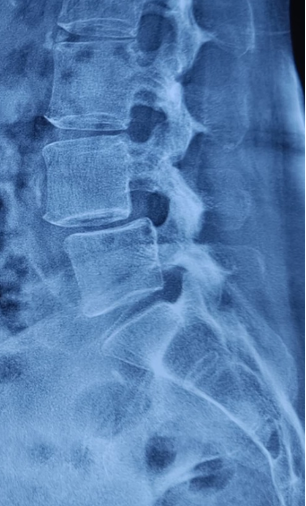
Diagnosis is based on clinical and radiological features. X-ray: Basic investigation to assess the bony anatomy.
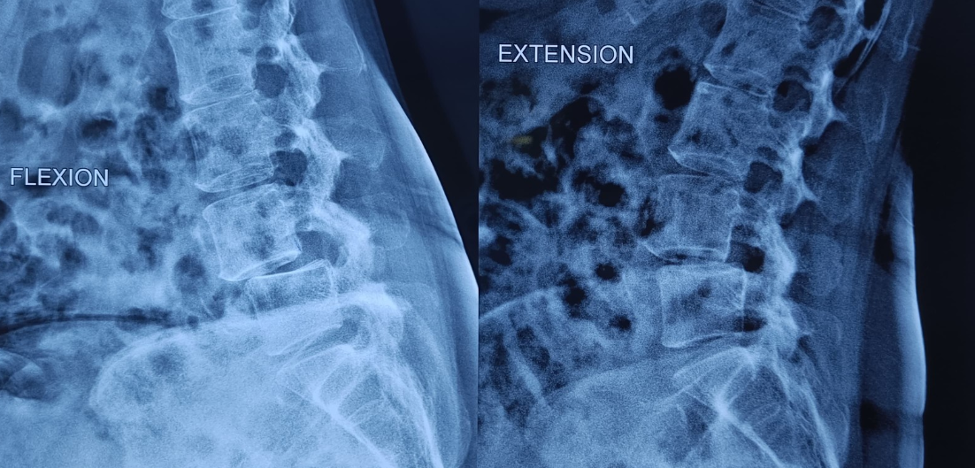
Movement of slipped back bone on bending X-rays
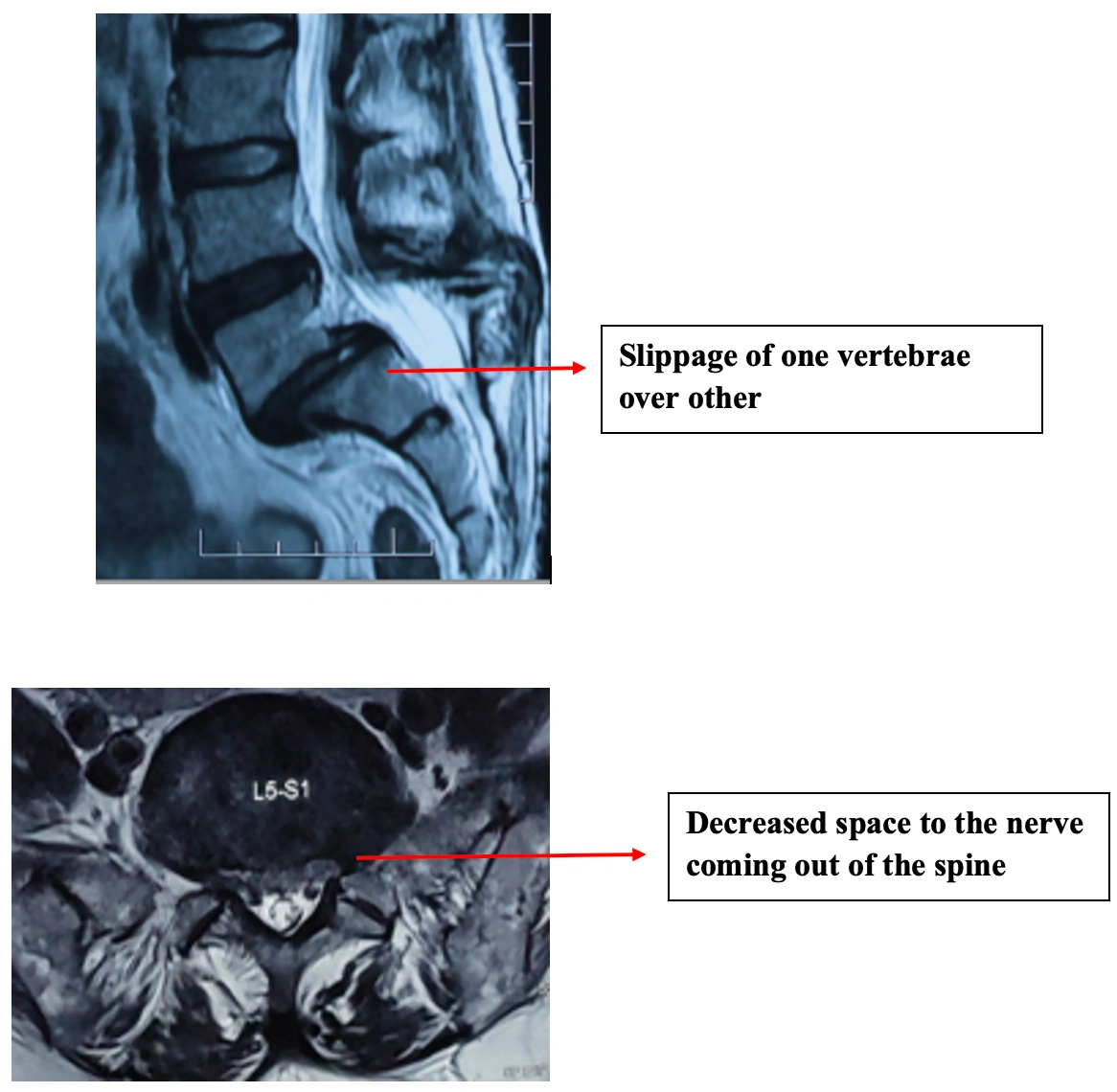
Magnetic resonance imaging (MRI).
Assessment of discs, nerves, and the spinal cord.
Detail of the slippage and whether any of the nerves are pinched.
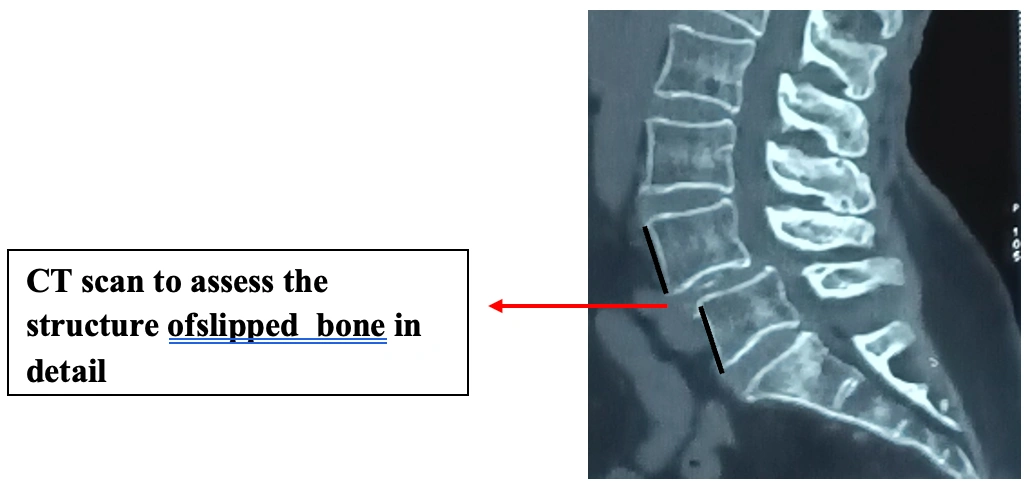
CT Scan: helpful in assessmentof structure of bone.
Treatment:
All of the slipped back bone does not require surgery. Majority of the decisions will be made based on the symptoms and signs of the patient. Nonsurgical Treatment:
Although nonsurgical treatments will not repair the slippage, many patients report that these methods do help relieve symptoms. Physical therapy and exercise: Ultrasonics and Interferential therapy is helpful in relieving spasm of muscle and pain in the low back.
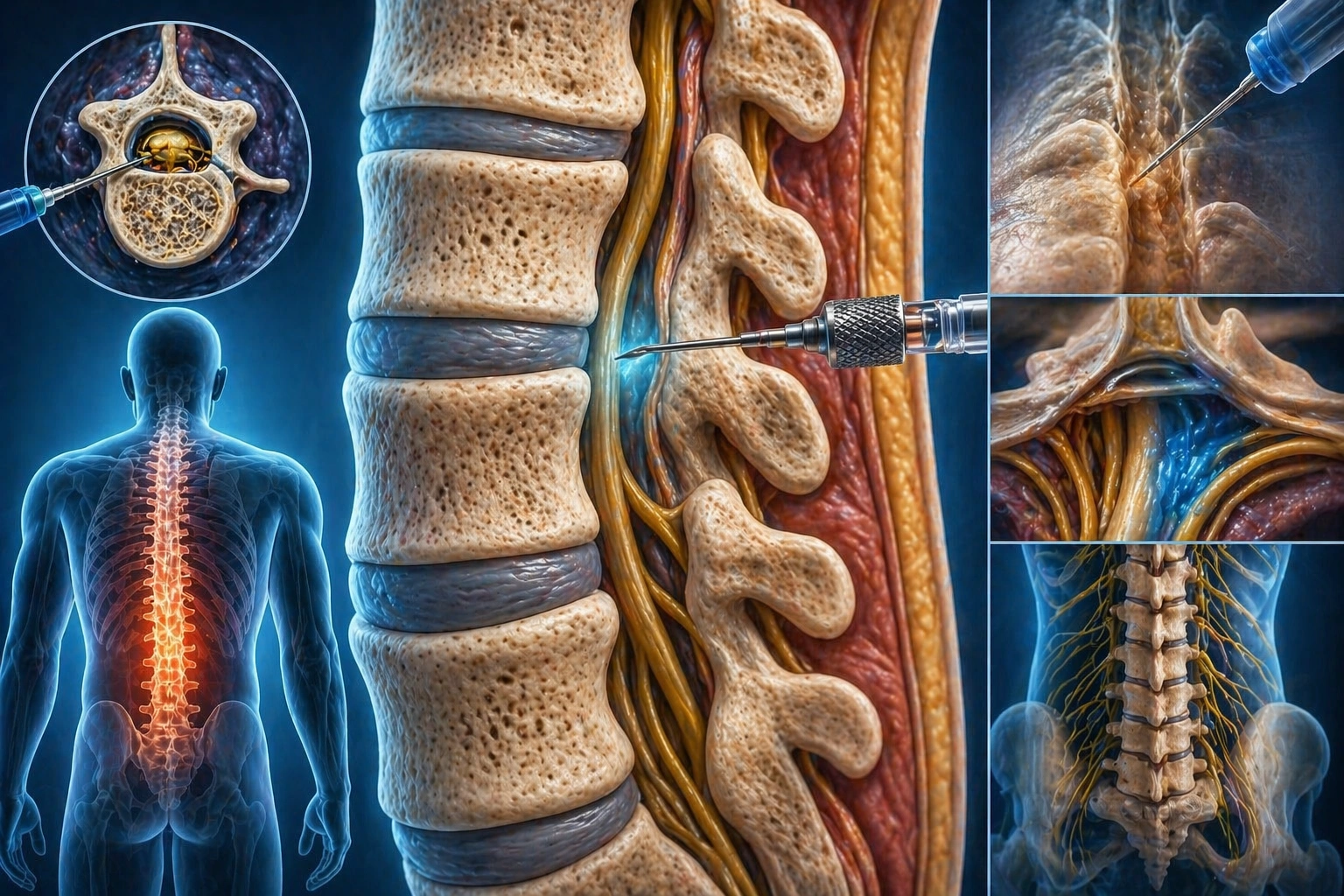
Specific exercises can strengthen and stretch your lower back and abdominal muscles. Medications: Analgesics and non-steroidal anti-inflammatory medicines may relieve pain. Root block/ Facet joint injections: A small dose of steroid and local anaesthetic injections around the nerves can relieve the leg pain. Injections around the Facet joint (joint of spine) is helpful in relieving the back ache.
These injections are not recommended in patients with weakness of the legs. Indication(Need) for surgery:
Patient who does not improve after a trial of nonsurgical treatment for few weeks.
Excessive movement between the slipped bones on X-ray taken by bending forward and backwards.
Inability to walk or stand and have a poor quality of life due to the pain and weakness.
Weakness in the leg.
Surgical procedure:
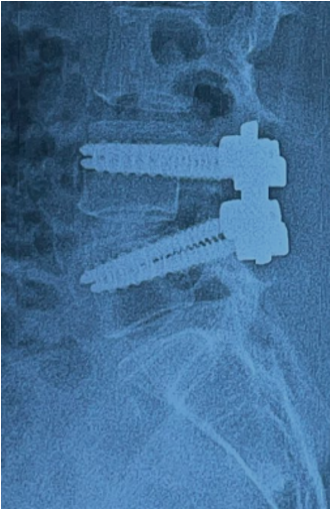
Stabilization by insertion of pedicle screws + Decompression of cord and nerve root by removal of Part of back bone + reduction of the slipped bone+ Filling of bone graft / insertion of cage into the area between two bones
Before SurgeryAfter Surgery