

Pain Clinic
Pelvic Pain
Overview
Overview
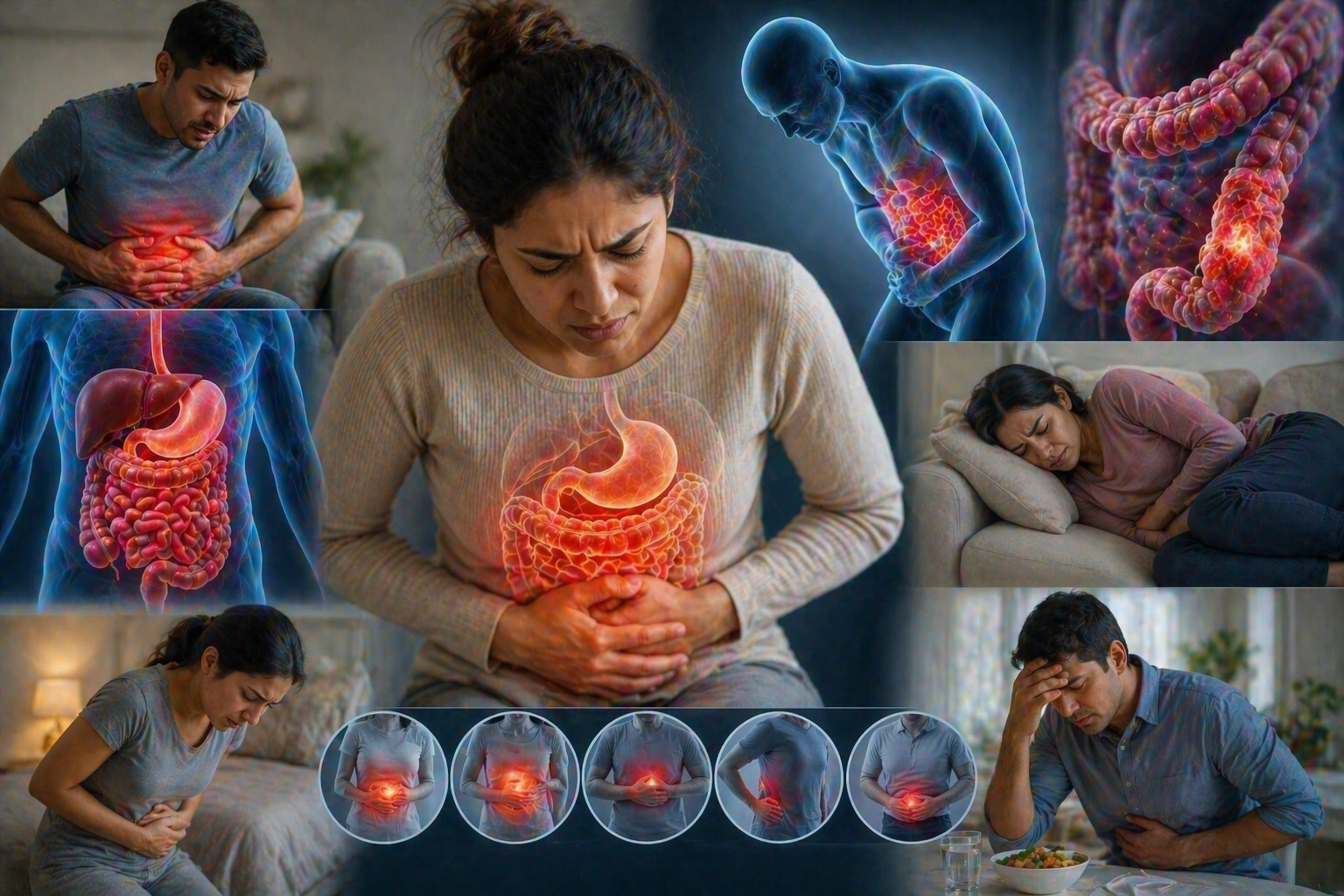
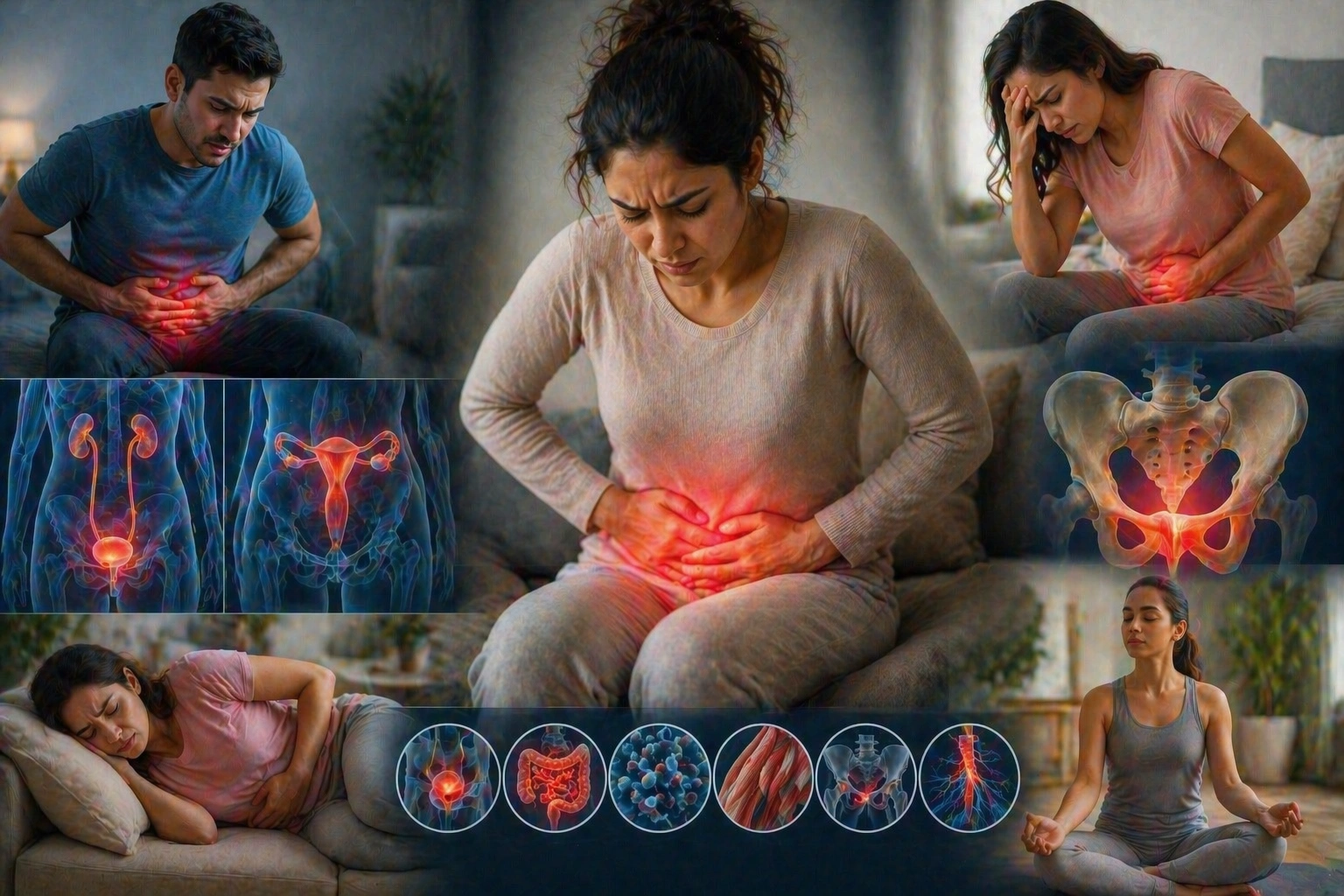
Pelvic pain is a condition that can affect both men and women and may arise from a wide range of causes, including infections, organ-related issues, or problems involving the pelvic bones and surrounding structures. In women, it is often associated with the reproductive system, but it is not limited to it.The pelvic region contains several important organs such as the bladder, intestines, and reproductive organs. Because of this, identifying the exact source of pain can sometimes be challenging. Treatment depends entirely on the underlying cause and severity of the condition.
What is Pelvic Pain?
Pelvic pain refers to discomfort in the lower abdomen, between the hips. While it is commonly linked to female reproductive organs, it can occur in anyone and may originate from urinary, digestive, musculoskeletal, or nerve-related sources.Causes of Pelvic Pain
Common causes in both men and women include:- Appendicitis
- Urinary tract infections (UTIs)
- Sexually transmitted infections
- Kidney stones or kidney infections
- Digestive issues such as colitis or diverticulitis
- Hernia
- Nerve compression (e.g., spinal nerve issues)
- Muscle spasms or pelvic floor dysfunction
- Pelvic bone injuries
- Stress-related or psychological causes
- Pregnancy or ectopic pregnancy
- Miscarriage
- Pelvic inflammatory disease (PID)
- Ovulation pain
- Menstrual cramps
- Ovarian cysts
- Uterine fibroids
- Endometriosis
- Cancers of the cervix, uterus, or ovaries
Symptoms Associated with Pelvic Pain
Pelvic pain may occur along with:- Abnormal vaginal bleeding or discharge
- Painful urination
- Constipation or diarrhea
- Bloating or gas
- Pain during sexual activity
- Fever or chills
- Pain in the groin or hip region
Diagnosis
To determine the cause, healthcare providers may use:- Blood and urine tests
- Pregnancy tests
- Imaging such as ultrasound, CT scans, or X-rays
- Laparoscopy or hysteroscopy
- Cultures to detect infections
- Endoscopy or stool tests
Treatment Options
Treatment varies based on the diagnosis and may include:- Medications such as antibiotics or pain relievers
- Surgical procedures for structural issues
- Physical therapy for muscle-related pain
- Psychological support for chronic or stress-related pain
- Over-the-counter pain relief
- Regular exercise
- Heat therapy (heating pads or warm baths)
- Stress management techniques like yoga or meditation
When to Seek Medical Attention
Consult a doctor immediately if you experience:- Sudden or severe pelvic pain
- Pain interfering with daily activities
- Fever or signs of infection
- Blood in urine or stool
- Pain during pregnancy
- Symptoms lasting more than two weeks