


Pain Clinic
Cancer Pain
Overview
Overview
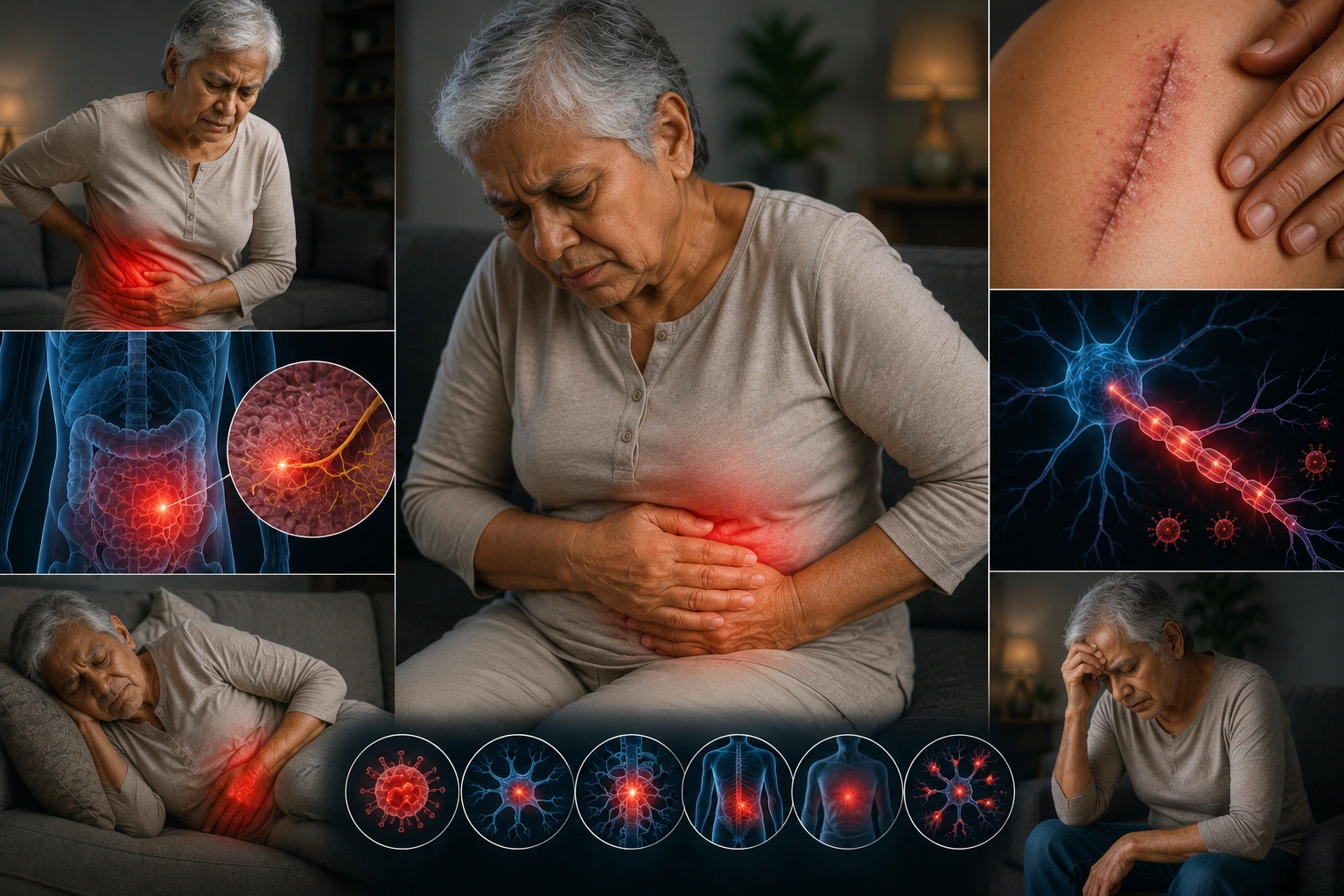
Not all individuals with cancer experience pain, but for many—especially when the disease has advanced or returned—pain can become a significant concern. Cancer-related pain varies widely in nature. It may feel dull, aching, sharp, or burning, and can occur continuously or intermittently. The severity of pain depends on factors such as the type of cancer, its stage, its location, and an individual’s tolerance to pain.The good news is that most cancer-related pain can be effectively managed. Addressing pain is an important part of overall cancer care and helps improve quality of life.
Causes of Cancer Pain
Cancer pain can arise from multiple sources:- The tumor growing into or damaging nearby tissues
- Pressure on nerves, bones, or internal organs
- Release of certain chemicals by tumors that trigger pain
- Side effects of treatments such as surgery, chemotherapy, or radiation
Treatment Options
Managing cancer pain often requires a combination of treatments based on the cause and severity of pain.Medications:
- Over-the-counter drugs like paracetamol or ibuprofen for mild pain
- Opioid medications for moderate to severe pain
- Additional drugs such as antidepressants, anti-seizure medications, or steroids
- Nerve blocks to interrupt pain signals
- Physical therapy
- Relaxation techniques and meditation
- Acupuncture and massage
Challenges in Pain Management
Cancer pain is sometimes under-treated due to:- Patients hesitating to report pain
- Fear of medication side effects or addiction
- Limited awareness among healthcare providers
- Concerns regarding opioid use
Communicating Your Pain
To help doctors manage pain effectively, patients should clearly describe:- Intensity of pain (using a scale from 0–10)
- Type of pain (sharp, dull, burning)
- Location of pain
- Triggers and relieving factors
- Effectiveness of current treatments