

Joint Care
Rotator Cuff and Other Shoulder Pathologies - Shou
Overview
Overview
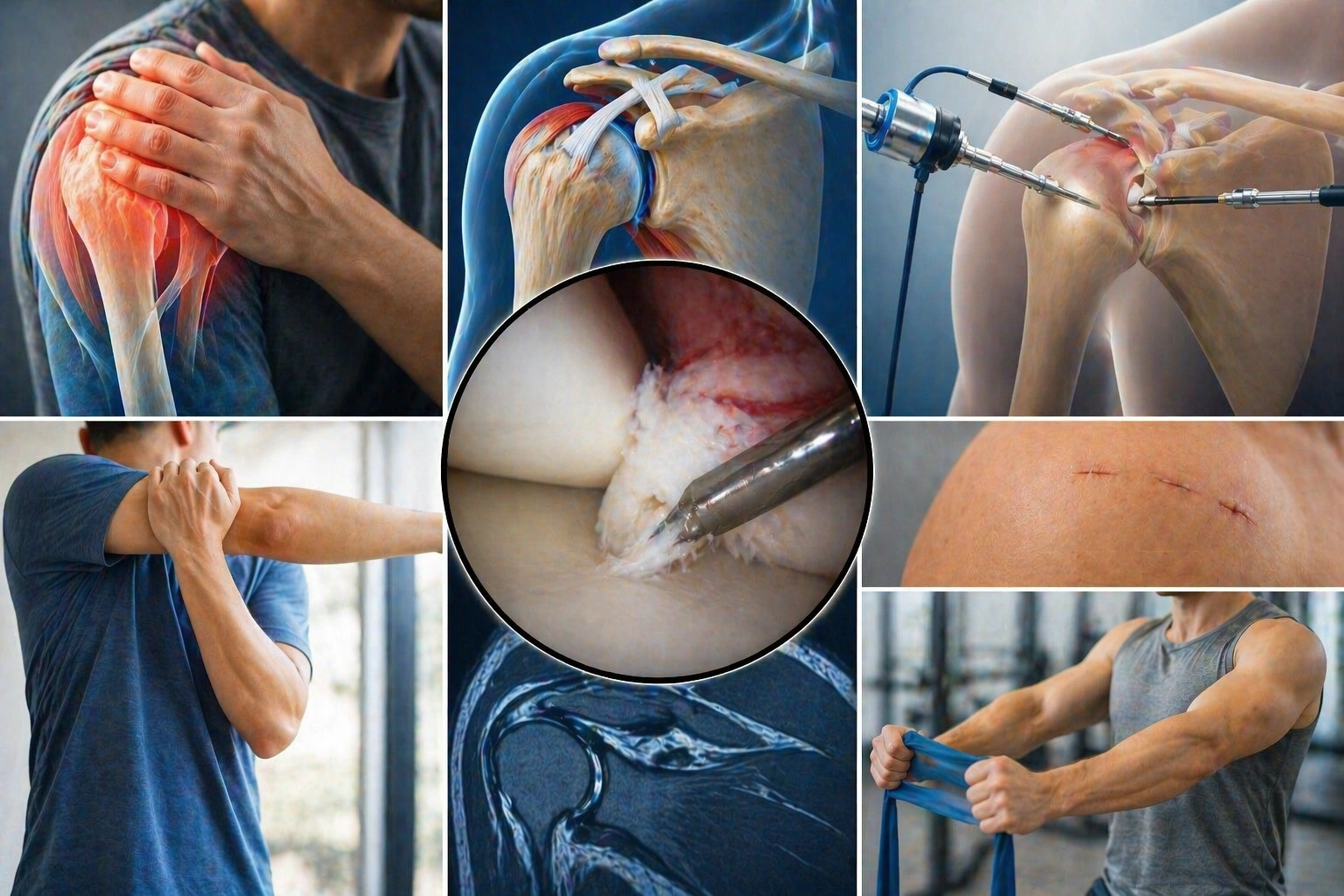
Arthroscopy is a minimally invasive procedure used by orthopedic surgeons to examine, diagnose, and treat joint-related problems. The term comes from Greek words meaning “to look inside a joint.”In shoulder arthroscopy, a small camera called an arthroscope is inserted into the joint through a tiny incision. This camera displays real-time images on a monitor, allowing the surgeon to clearly view the internal structures and perform procedures using specialized, fine instruments.
Because only small incisions are made, this technique results in less pain, minimal tissue damage, and quicker recovery compared to traditional open surgery. Since its introduction in the 1970s, shoulder arthroscopy has significantly improved diagnosis and treatment outcomes, with continuous advancements in technology.
Shoulder Anatomy
The shoulder is a highly flexible joint that allows a wide range of movement. It is made up of three bones:- Humerus (upper arm bone)
- Scapula (shoulder blade)
- Clavicle (collarbone)
Other important structures include:
- Labrum: A cartilage ring that improves stability
- Capsule and ligaments: Provide support to the joint
- Synovium: Produces lubricating fluid
- Rotator cuff: Tendons that stabilize and move the shoulder
- Bursa: A fluid-filled sac that reduces friction
When Shoulder Arthroscopy is Recommended
This procedure is recommended when shoulder pain does not improve with treatments like rest, physiotherapy, or medication.Common causes include:
- Injury
- Overuse
- Age-related degeneration
Common Procedures Performed
- Rotator cuff repair
- Labrum repair or removal
- Ligament repair
- Removal of inflamed tissue or loose fragments
- Treatment of recurrent shoulder dislocation
Preparing for Surgery
Before the procedure:- Medical tests may be required
- Inform your doctor about medications or supplements
- Some medicines may need to be stopped
- Follow fasting instructions before surgery
During the Procedure
- The patient is positioned appropriately
- The shoulder is cleaned and sterilized
- Fluid is injected to improve visibility
- Small incisions are made
- A camera and instruments are inserted
- The surgeon identifies and treats the problem
After Surgery & Recovery
- Patients are monitored briefly before discharge
- Pain and swelling are controlled with medication and ice
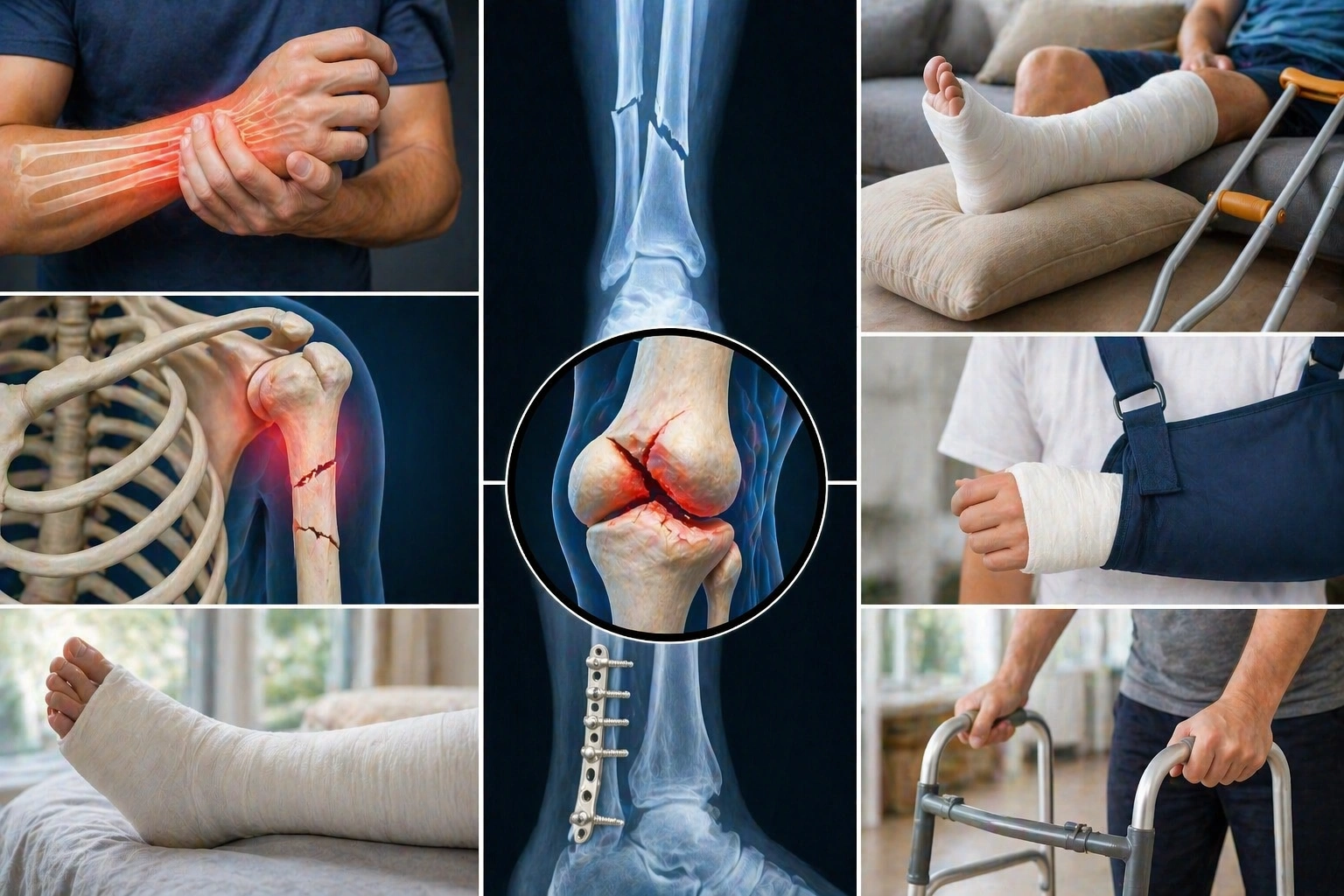
- A sling may be used for support
- Dressings are changed after a few days
- Avoid excessive strain
- Follow medication guidelines
- Sleep in a comfortable position
Rehabilitation & Outcomes
Rehabilitation is essential for recovery:- Exercises improve strength and mobility
- Physiotherapy may be required
- Recovery can take weeks to months
Risks & Complications
Although rare, possible risks include:- Infection
- Bleeding
- Blood clots
- Nerve or blood vessel injury