


Pain Clinic
Musculoskeletal Pains – Shoulder, Hip, Knee
Overview
Overview
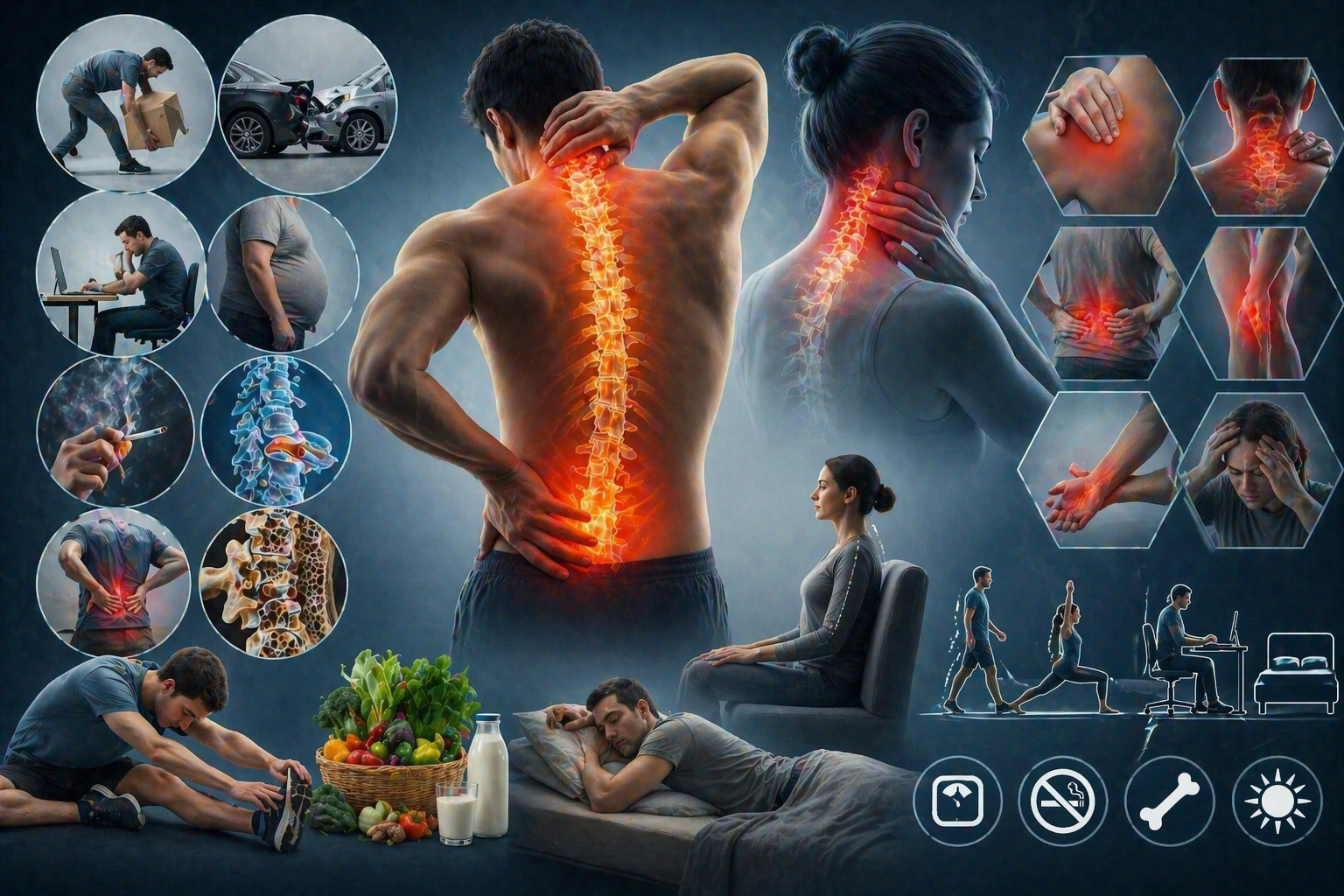
Our bodies rely on healthy joints to support daily movement and activity. Whether it’s walking, exercising, or performing routine tasks, joints play a vital role. Over time, factors such as aging, physical strain, injuries, and medical conditions can lead to joint pain and reduced mobility.While mild joint discomfort can often be managed at home, persistent or severe pain may require medical attention. Early evaluation helps prevent complications and improves long-term outcomes.
Hip Joint
The hip is the largest and one of the most important joints in the body, making it susceptible to wear and tear as well as injuries.In some cases, individuals may have knee arthritis but may not be suitable candidates for surgery due to early-stage disease or medical conditions that make surgery risky. Traditionally, such cases are managed with pain medications, but long-term use can lead to side effects.
An alternative approach is interventional pain management, which helps control pain and improves quality of life.
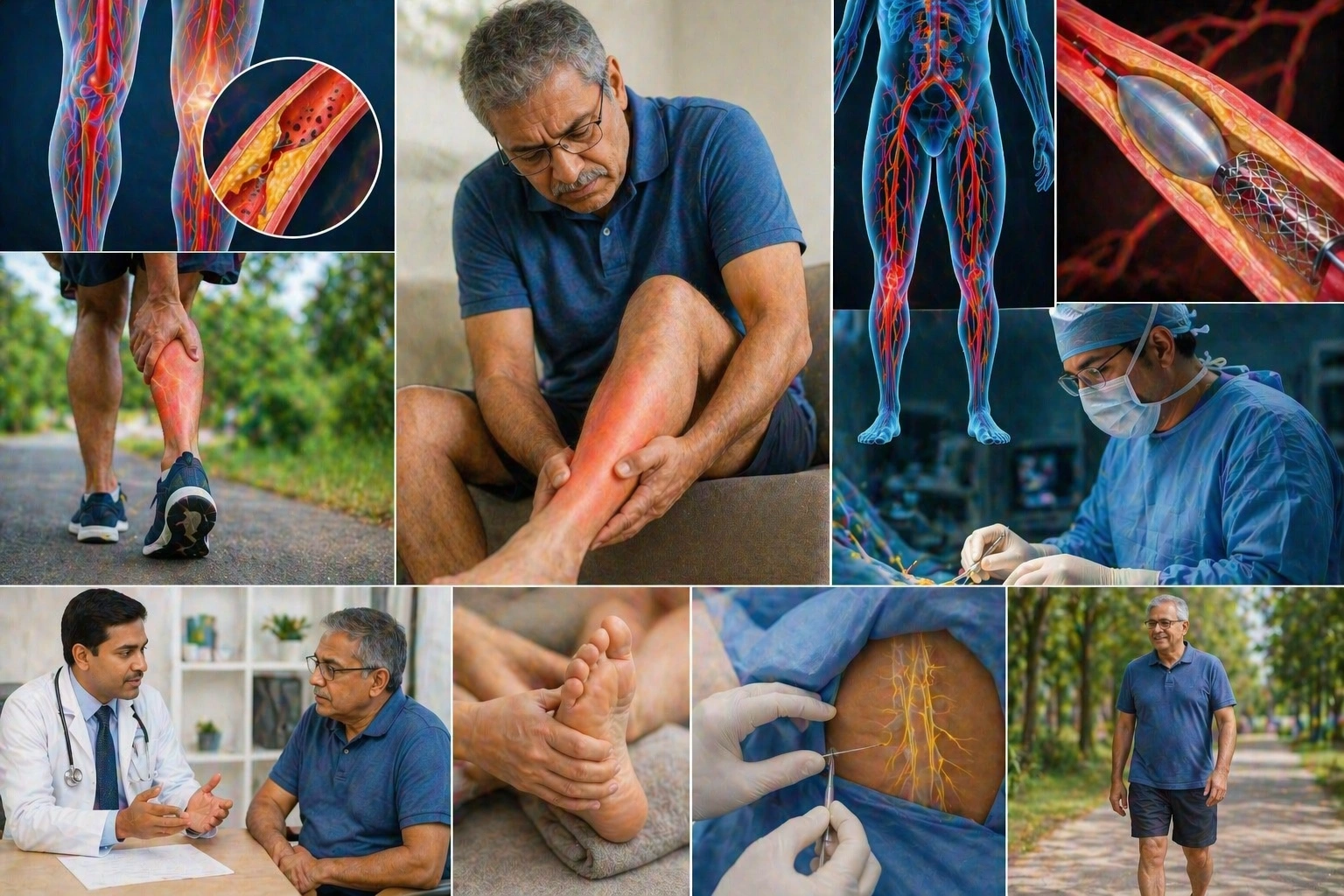
One advanced technique involves targeting genicular nerves, which transmit pain signals from the knee. Using a method called radiofrequency denervation, these nerves are temporarily disrupted using controlled energy, providing pain relief that can last for several months and can be repeated if needed.
Procedure Overview
Before undergoing this treatment, patients are evaluated thoroughly. A diagnostic nerve block is first performed using a local anesthetic to determine whether the targeted nerves are responsible for the pain.If the test provides relief, the patient may proceed with radiofrequency denervation. This is a minimally invasive outpatient procedure, typically requiring only a few hours of hospital stay.
Shoulder Joint
Shoulder pain can sometimes be misleading, as it may originate from other areas such as the neck or even the heart.Immediate medical attention is required if shoulder pain is accompanied by:
- Chest tightness or shortness of breath
- Sudden severe pain
- Visible deformity
- Inability to move the arm
- Swelling or a popping sensation after injury
Hip Pain – When to See a Doctor
Seek medical attention if:- There is visible deformity after injury
- You cannot bear weight on the leg
- Pain is persistent or worsening
- There is swelling, redness, or fever
Knee Joint
Knee arthritis is a common condition that affects mobility and overall quality of life. Pain may occur even in mild or moderate stages and can gradually worsen.For advanced cases, total knee replacement surgery is considered the most effective solution to restore movement and independence. Many patients experience significant improvement in function and pain relief following this procedure.