
facial-pains-including-trigeminal-neuralgia
Pain Clinic

Facial Pains including Trigeminal Neuralgia

Overview

Overview

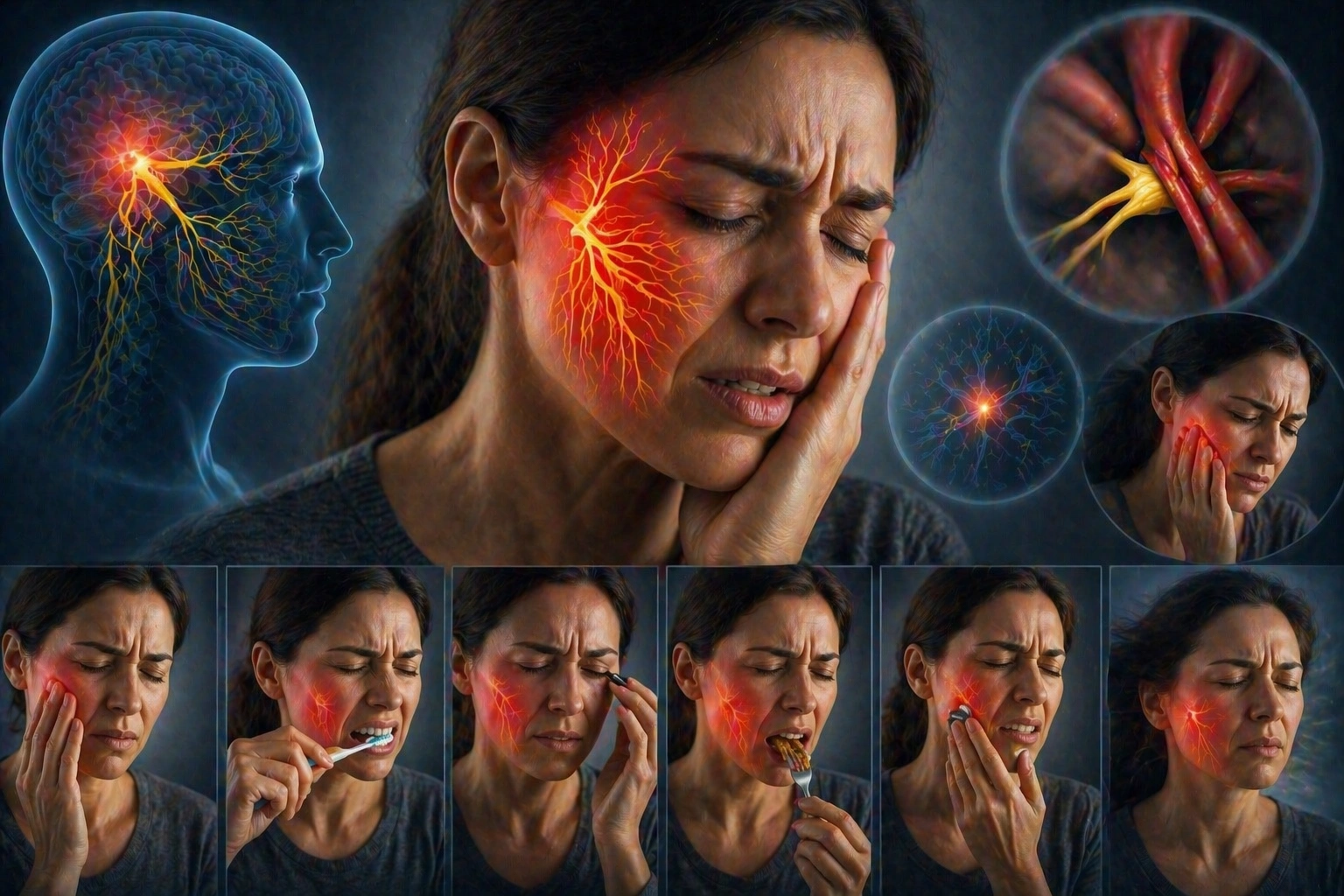
Trigeminal neuralgia is a chronic pain condition that causes sudden, intense facial pain, often described as an electric shock-like sensation. It affects the trigeminal nerve, which is responsible for transmitting sensations from the face to the brain. Even simple daily activities such as brushing teeth, eating, or touching the face can trigger severe pain episodes.
Initially, the pain may occur as brief, mild attacks, but over time it can become more frequent, prolonged, and intense. This condition is more commonly seen in women and typically affects individuals over the age of 50.
Despite its severity, trigeminal neuralgia can be effectively managed with appropriate medical care, including medications, minimally invasive procedures, and surgical treatments.

Symptoms

Common symptoms include:
  • Sudden, sharp, stabbing, or electric shock-like facial pain
  • Pain triggered by routine activities like chewing, talking, or touching the face
  • Episodes lasting from seconds to minutes
  • Repeated attacks over days, weeks, or longer periods
  • Pain localized to areas such as the cheek, jaw, teeth, gums, lips, or sometimes the eye and forehead
  • Pain usually affecting one side of the face
  • Increasing intensity and frequency of attacks over time
Medical attention is necessary if the pain is persistent, recurrent, or not relieved by basic pain medications.

Causes

Trigeminal neuralgia occurs when the trigeminal nerve is irritated or compressed. The most common cause is pressure from a nearby blood vessel on the nerve near the brain.
Other possible causes include:
  • Conditions like multiple sclerosis that damage nerve coverings
  • Tumors pressing on the nerve
  • Brain abnormalities or lesions
  • Facial trauma or injury
  • Stroke or surgical complications

Common Triggers

Pain episodes can be triggered by even mild stimulation, such as:
  • Touching the face
  • Brushing teeth
  • Eating or drinking
  • Talking or smiling
  • Applying makeup
  • Shaving
  • Washing the face
  • Exposure to a light breeze

Related Conditions & Pain Management

Facial pain conditions like trigeminal neuralgia are often managed alongside other headache-related disorders. Many such conditions can be treated through medications, lifestyle changes, and interventional pain procedures such as nerve blocks and radiofrequency techniques when required.

Summary

Trigeminal neuralgia is a severe but treatable condition. With early diagnosis and the right treatment approach, patients can achieve significant pain relief and improve their quality of life.

Patient Testimonials

quote-icon

"The facial pain I experienced was unbearable and came without warning. After proper diagnosis and treatment, my pain episodes reduced significantly. I finally feel in control again."

Manoj Kulshrestha

Trigeminal Neuralgia Treatment

quote-icon

"Simple activities like eating or brushing my teeth used to trigger intense pain. With the right treatment and care, my condition has improved a lot. I am grateful for the support I received."

Shalini Verma

Facial Pain Management

Frequently Asked Questions

What is trigeminal neuralgia?

It is a condition that causes sudden, severe facial pain due to irritation of the trigeminal nerve.

The pain is often described as sharp, electric shock-like, or stabbing.

Triggers include touching the face, eating, talking, brushing teeth, or even a light breeze.

It is more common in people over 50 and occurs more frequently in women.

It is commonly caused by blood vessel compression on the trigeminal nerve or other nerve-related conditions.

Yes, it can be managed with medications, nerve blocks, or surgical procedures.

It is a chronic condition, but symptoms can be controlled effectively with treatment.

You should consult a doctor if you experience persistent or severe facial pain.

Yes, avoiding triggers and managing stress can help reduce episodes.

Yes, surgery may be considered if medications and other treatments are ineffective.

element element
WhatsApp Chat