

Spine Care
Spinal Tumor Surgery
Overview
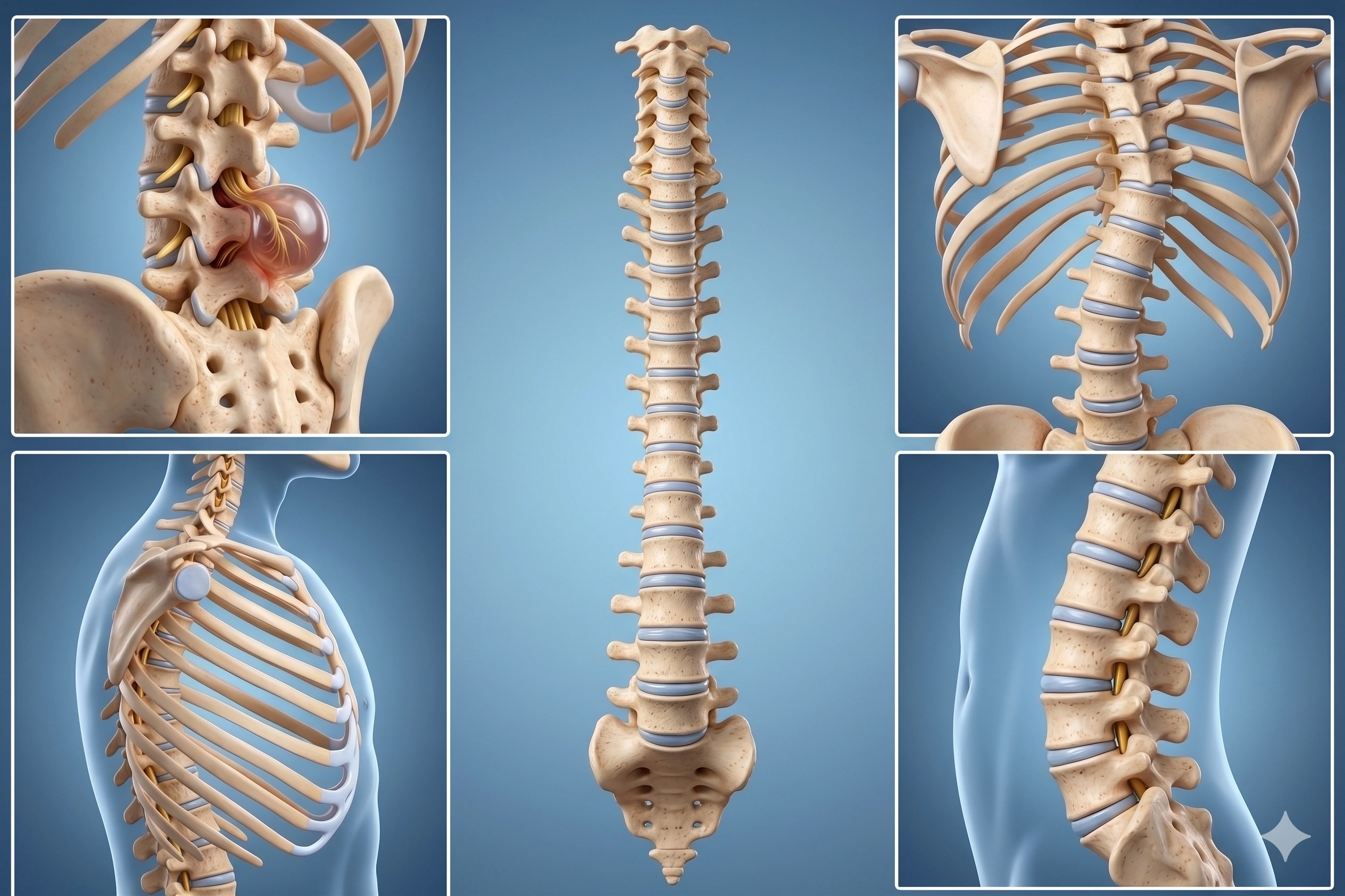
Spinal tumors refer to unusual masses that form either within the spinal cord or in the surrounding vertebral structures. These growths may be non-cancerous (benign) or cancerous (malignant) and can develop at any point along the spine. The signs and symptoms depend on where the tumor is located and how large it has grown, often including persistent pain, muscle weakness, numbness, or reduced sensation in different parts of the body.
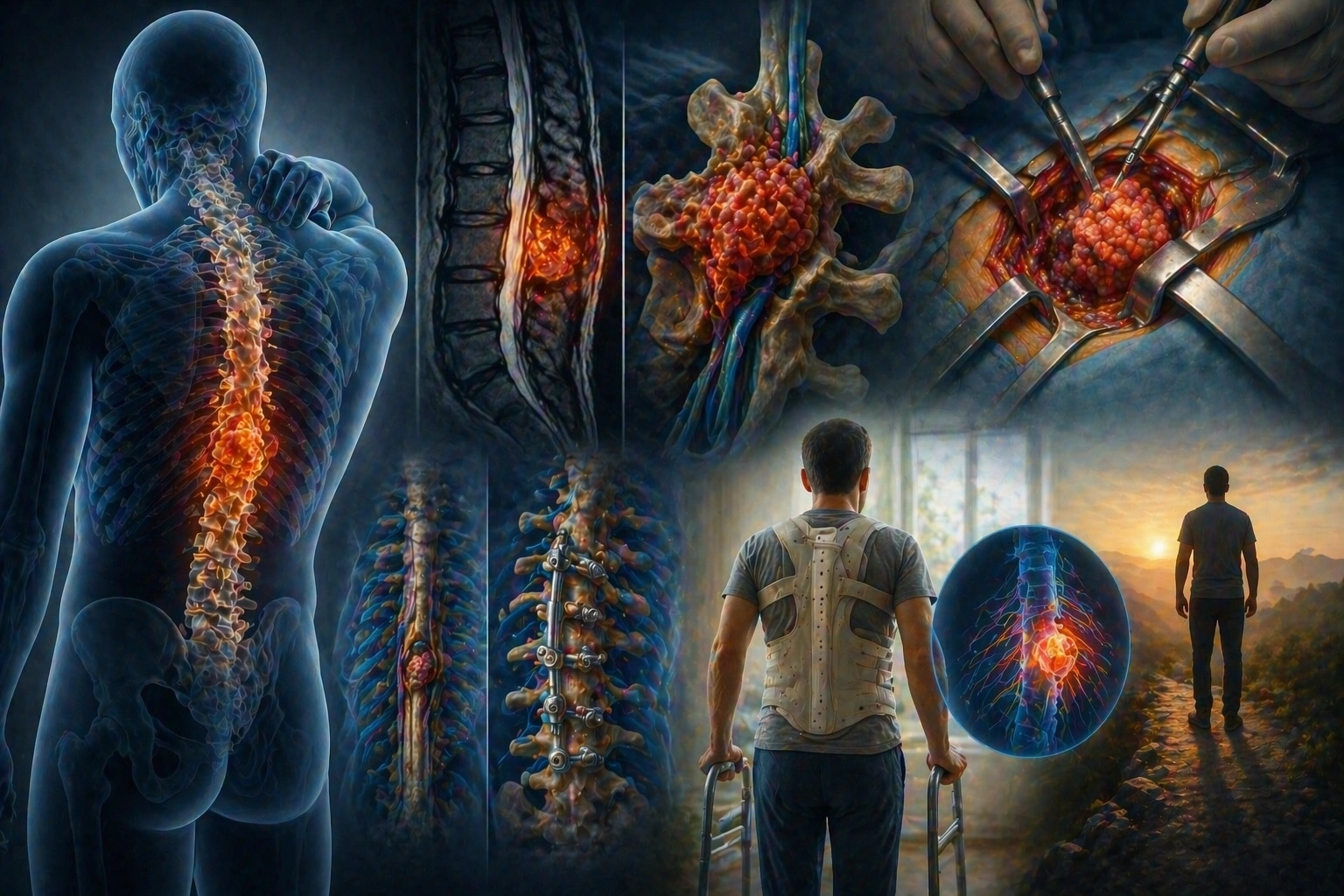
Surgical treatment for spinal tumors is highly specialized and is usually carried out by a team of neurosurgeons and spine experts. The primary objective is to remove as much of the tumor as safely possible while preserving nearby healthy tissues. In certain situations, complete removal is achievable, whereas in others, only part of the tumor is excised to avoid injury to critical structures like the spinal cord.
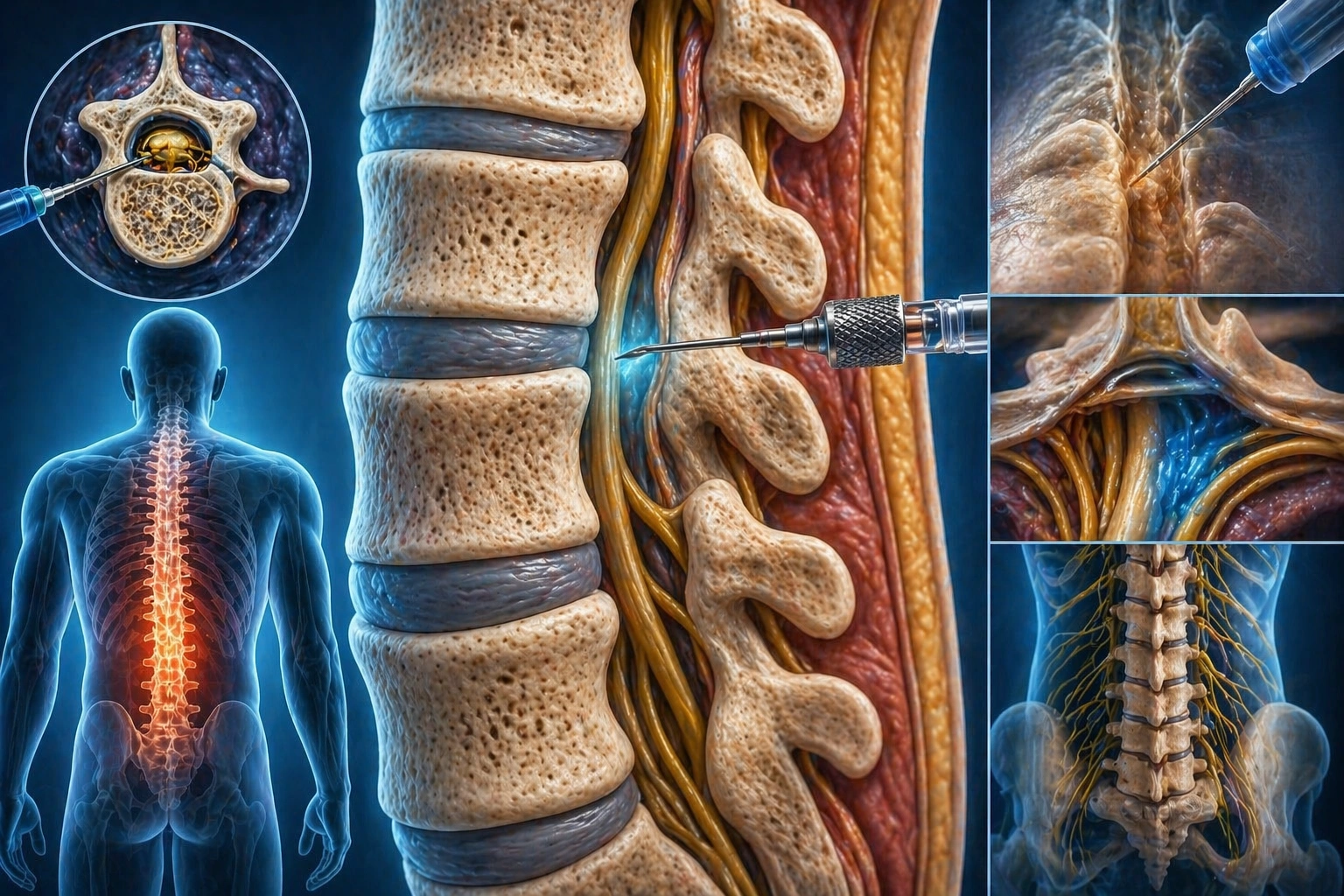
Different surgical approaches are available depending on the case. Traditional open surgery involves a larger incision to access the affected area, while minimally invasive techniques use smaller cuts along with advanced instruments for precision. Each method has its own benefits, and the choice depends on factors such as tumor size, location, and overall patient condition.
The recovery period following surgery varies for each individual. Patients typically remain hospitalized for a few days and may need supportive devices like braces during the healing phase. Rehabilitation, including physical therapy, often plays a key role in restoring strength and improving mobility after the procedure.
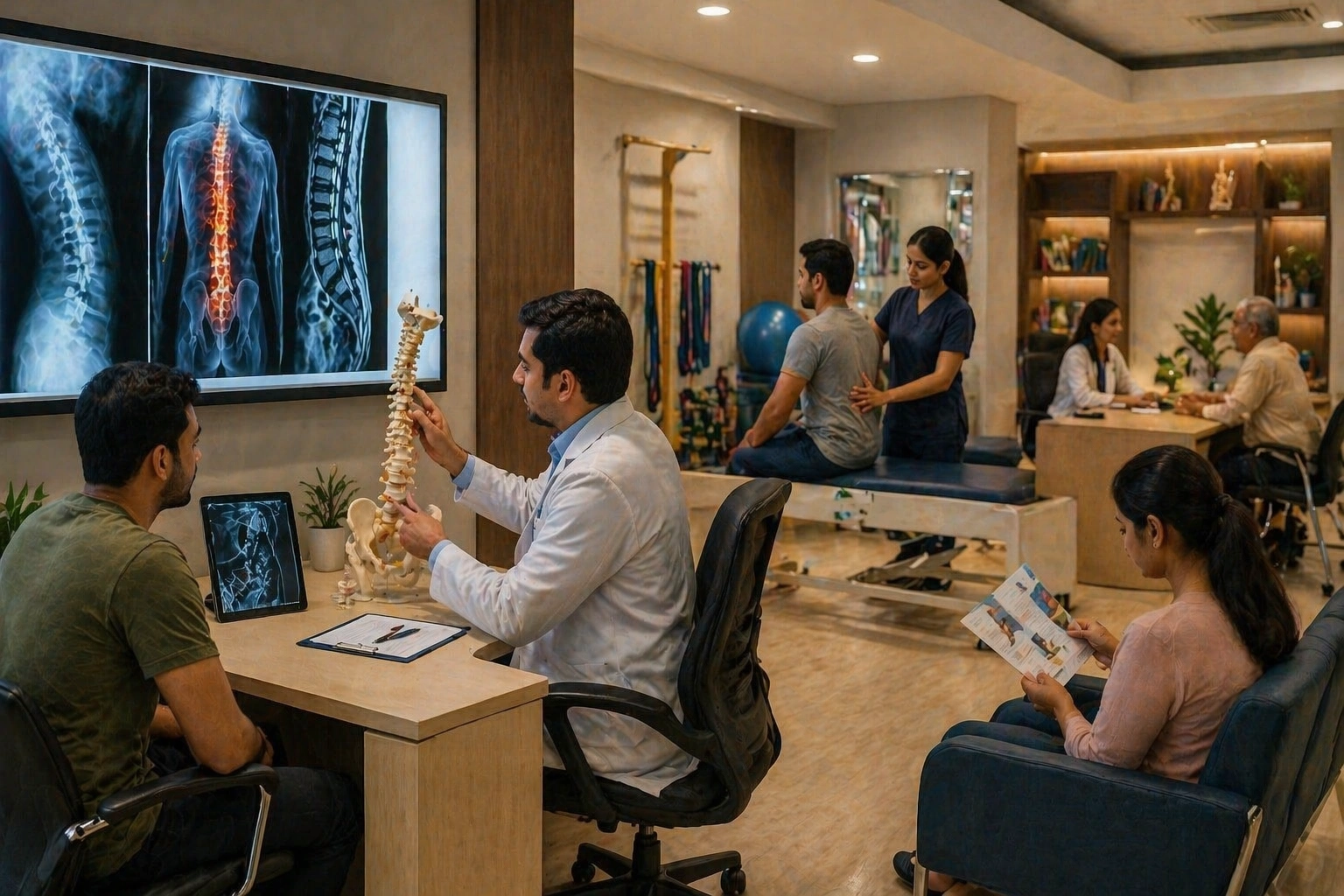
Vitus Clinical Services in Bangalore, India, is recognized for providing advanced care in spinal tumor treatment. Their experienced team of neurosurgeons and spine specialists uses modern technology and equipment to deliver effective surgical outcomes. Supported by skilled anesthesiologists, radiologists, and critical care professionals, they ensure comprehensive care throughout the entire treatment journey.
Apart from surgical interventions, the center also offers non-surgical treatments such as radiation therapy and chemotherapy. These options can help control tumor growth, alleviate symptoms, and enhance overall quality of life when surgery is not the primary choice.
Patients at Vitus Clinical Services receive individualized attention, with treatment plans tailored to their specific condition and needs. The team also emphasizes patient education and family support, helping them clearly understand the diagnosis, available treatments, and recovery expectations.
In summary, spinal tumors are serious conditions requiring careful evaluation and management. With expert care from specialized centers like Vitus Clinical Services, patients can access advanced treatment options aimed at improving outcomes and supporting recovery.
Surgical treatment for spinal tumors is highly specialized and is usually carried out by a team of neurosurgeons and spine experts. The primary objective is to remove as much of the tumor as safely possible while preserving nearby healthy tissues. In certain situations, complete removal is achievable, whereas in others, only part of the tumor is excised to avoid injury to critical structures like the spinal cord.
Different surgical approaches are available depending on the case. Traditional open surgery involves a larger incision to access the affected area, while minimally invasive techniques use smaller cuts along with advanced instruments for precision. Each method has its own benefits, and the choice depends on factors such as tumor size, location, and overall patient condition.
The recovery period following surgery varies for each individual. Patients typically remain hospitalized for a few days and may need supportive devices like braces during the healing phase. Rehabilitation, including physical therapy, often plays a key role in restoring strength and improving mobility after the procedure.
Vitus Clinical Services in Bangalore, India, is recognized for providing advanced care in spinal tumor treatment. Their experienced team of neurosurgeons and spine specialists uses modern technology and equipment to deliver effective surgical outcomes. Supported by skilled anesthesiologists, radiologists, and critical care professionals, they ensure comprehensive care throughout the entire treatment journey.
Apart from surgical interventions, the center also offers non-surgical treatments such as radiation therapy and chemotherapy. These options can help control tumor growth, alleviate symptoms, and enhance overall quality of life when surgery is not the primary choice.
Patients at Vitus Clinical Services receive individualized attention, with treatment plans tailored to their specific condition and needs. The team also emphasizes patient education and family support, helping them clearly understand the diagnosis, available treatments, and recovery expectations.
In summary, spinal tumors are serious conditions requiring careful evaluation and management. With expert care from specialized centers like Vitus Clinical Services, patients can access advanced treatment options aimed at improving outcomes and supporting recovery.