

psychosis-and-schizophrenia
Mental Health

Psychosis and Schizophrenia

Overview

Overview

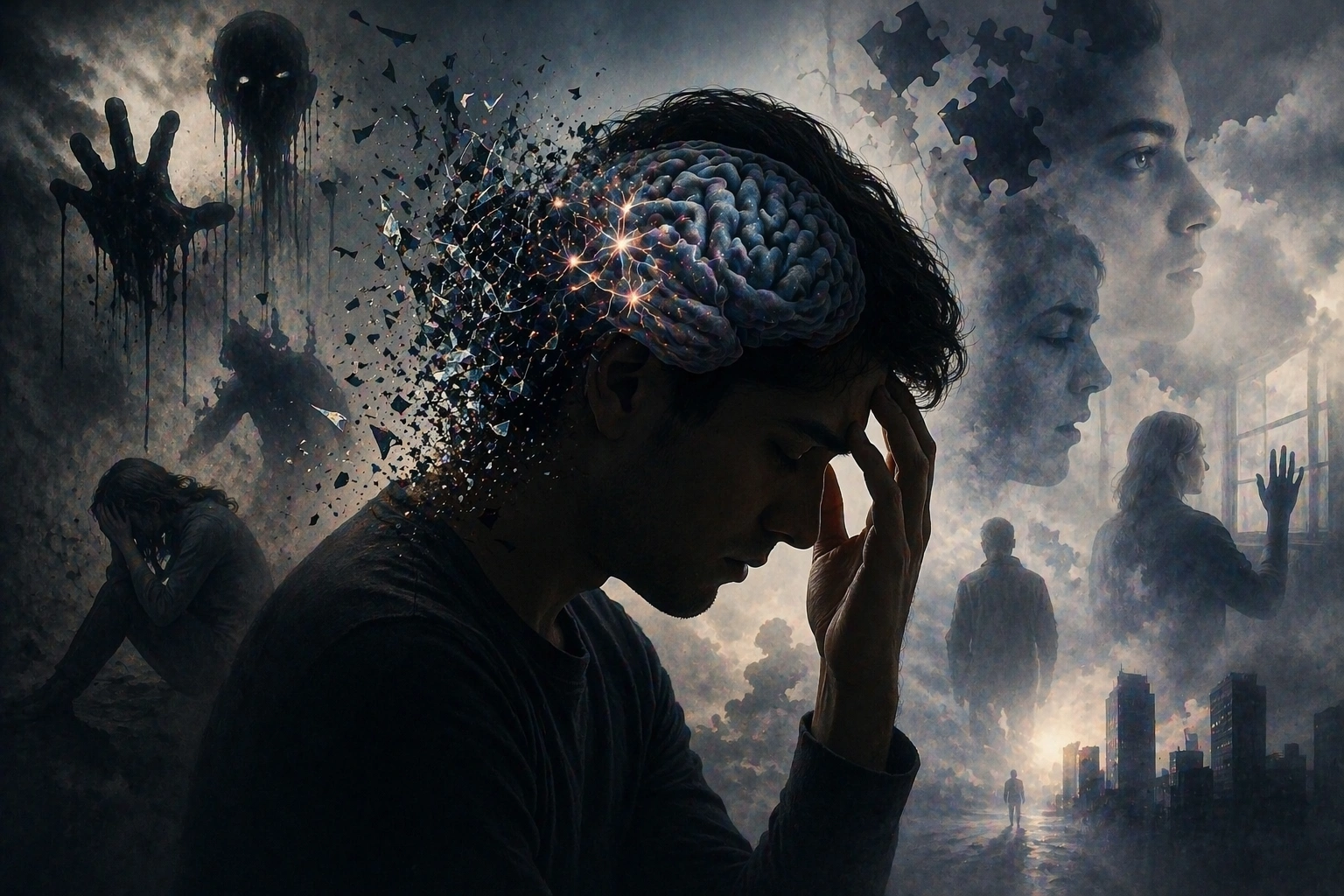
Psychosis is a mental health condition in which a person loses touch with reality, affecting how they think, perceive, and interact with the world around them. Individuals experiencing psychosis may have difficulty distinguishing what is real from what is not.
Schizophrenia is a severe and long-term mental disorder that significantly impacts both mental and physical well-being. It affects brain function, leading to challenges in thinking clearly, remembering information, processing sensory input, and making decisions.
Several underlying factors may contribute to the development of schizophrenia, including:
  • Imbalances in brain chemicals that affect communication between nerve cells
  • Abnormal brain development before birth
  • Disruptions in connections between different regions of the brain
Schizophrenia is a serious condition that requires professional medical care. It is important not to attempt self-diagnosis or treatment, and individuals experiencing symptoms should seek guidance from qualified healthcare providers.
Quick Appointment

Book a Consultation

Patient Testimonials

quote-icon

"My family noticed changes in my behavior, and I was later diagnosed with a psychotic condition. With proper treatment and support, I have been able to manage my symptoms and lead a stable life."

Neha Kapoor

Mental Health Care

quote-icon

"Dealing with schizophrenia was difficult, but early treatment and continuous care helped me regain control. The guidance and therapy made a huge difference in my recovery journey."

Vikas Sharma

Schizophrenia Management

Frequently Asked Questions

What is psychosis?

Psychosis is a condition where a person loses touch with reality, affecting thoughts, perceptions, and behavior.

Schizophrenia is a serious mental disorder that affects how a person thinks, feels, and behaves.

Symptoms include hallucinations, delusions, confusion, and disorganized thinking.

It may be caused by chemical imbalances in the brain, genetic factors, and abnormal brain development.

Yes, it can be managed with medications, therapy, and long-term care.

Hallucinations are experiences where a person sees or hears things that are not real.

Delusions are strong false beliefs that are not based on reality.

No, schizophrenia is different and does not involve multiple personalities.

Help should be sought when symptoms like hallucinations or severe confusion appear.

Yes, psychosis can develop suddenly or gradually depending on the underlying cause.

element element
WhatsApp Chat