

Joint Care
Ligament Injuries Of Knee – Knee Arthroscopy Proce
Overview
Overview
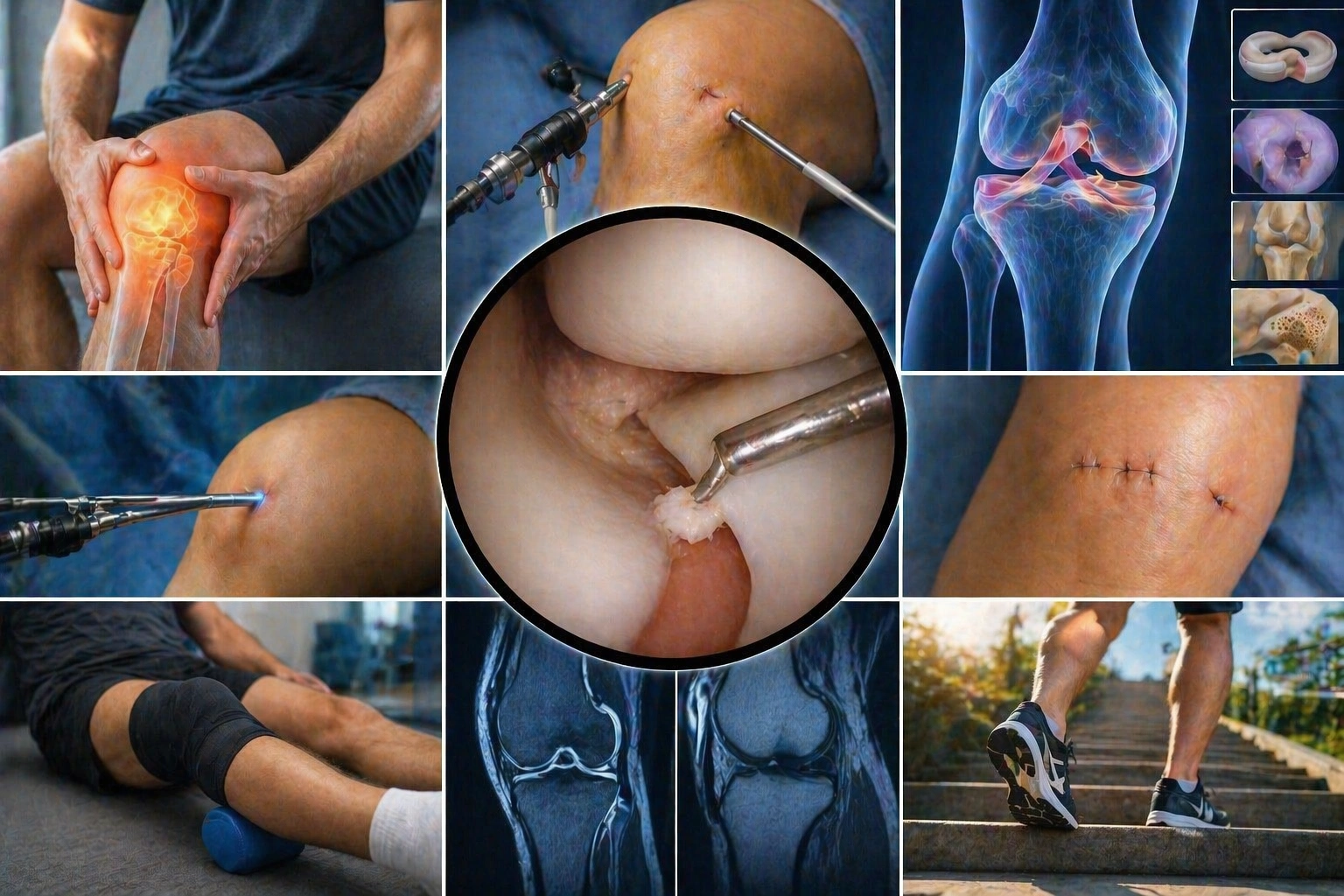
Knee arthroscopy is a minimally invasive procedure used to both diagnose and treat various knee joint problems. In this technique, a surgeon inserts a thin instrument equipped with a fiber-optic camera through a very small incision, allowing a clear view of the inside of the knee on a high-definition monitor.This approach enables doctors to examine the joint without making large cuts. In many cases, treatment can also be performed during the same procedure using specialized, fine surgical tools inserted through additional small openings.
Diagnostic Use
Arthroscopy is often recommended when imaging tests such as X-rays or scans do not provide clear answers. It allows direct visualization of the joint, helping in accurate diagnosis of underlying issues.Non-Surgical Treatments
Certain injections may also be used as part of knee joint management, including:- Visco-supplementation
- Platelet-Rich Plasma (PRP) therapy
Surgical Procedures Performed
Knee arthroscopy can be used for a wide range of treatments, such as:- ACL (Anterior Cruciate Ligament) reconstruction
- PCL (Posterior Cruciate Ligament) reconstruction and repair
- Treatment of multiple ligament injuries
- Meniscus repair and balancing
- Cartilage restoration procedures (Microfracture, OATS, ACI)
- Removal of loose bodies and synovectomy
- MPFL reconstruction
- Alignment correction surgeries (High Tibial Osteotomy, Distal Femur Osteotomy)
- Arthroscopic release for stiff joints
Risks & Complications
Knee arthroscopy is generally very safe, but rare complications may include:- Infection (significantly lower risk compared to open surgery)
- Knee stiffness requiring prolonged physiotherapy
- Cartilage damage (chondrolysis)
- Nerve or blood vessel injury
- Compartment syndrome due to fluid buildup or swelling
- Reactions to implants (rare with modern materials)
- Deep vein thrombosis (blood clots in the leg)
Preparation Before Surgery
- Avoid certain medications that may increase bleeding risk
- Fast for several hours before surgery, depending on anesthesia
- Arrange transportation home after the procedure
- Wear loose and comfortable clothing
What to Expect
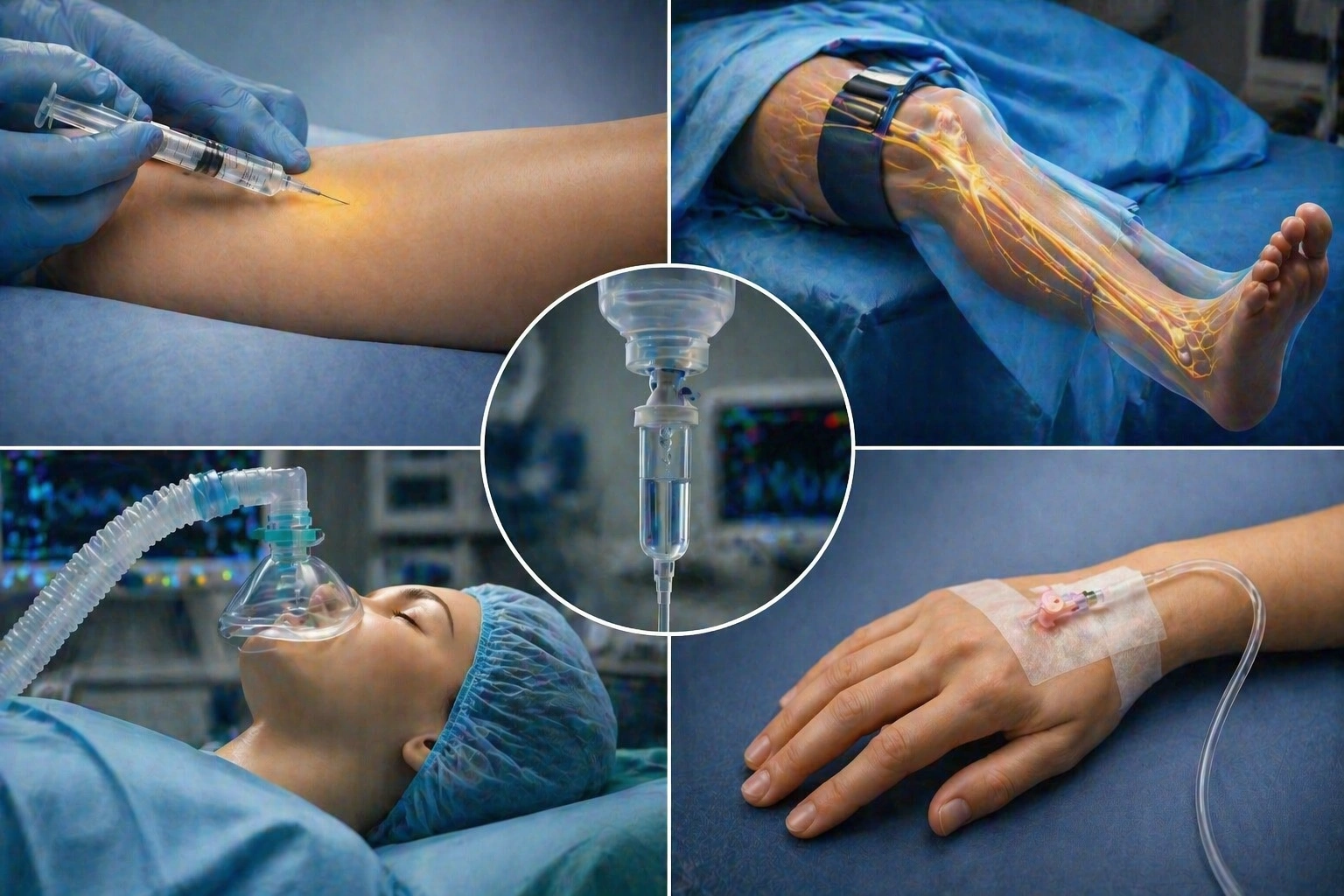
Before the Procedure:- You will change into a hospital gown
- An IV line will be placed for medications
- Anesthesia (local, regional, or general) will be administered
- The knee is positioned for optimal access
- Small incisions (arthroscopy portals) are made
- A camera and instruments are inserted
- Sterile fluid is used to improve visibility
- Repairs or reconstructions are performed as needed
After the Procedure
- Recovery usually takes a few hours before discharge or transfer to a ward
- Pain and inflammation are managed with medication
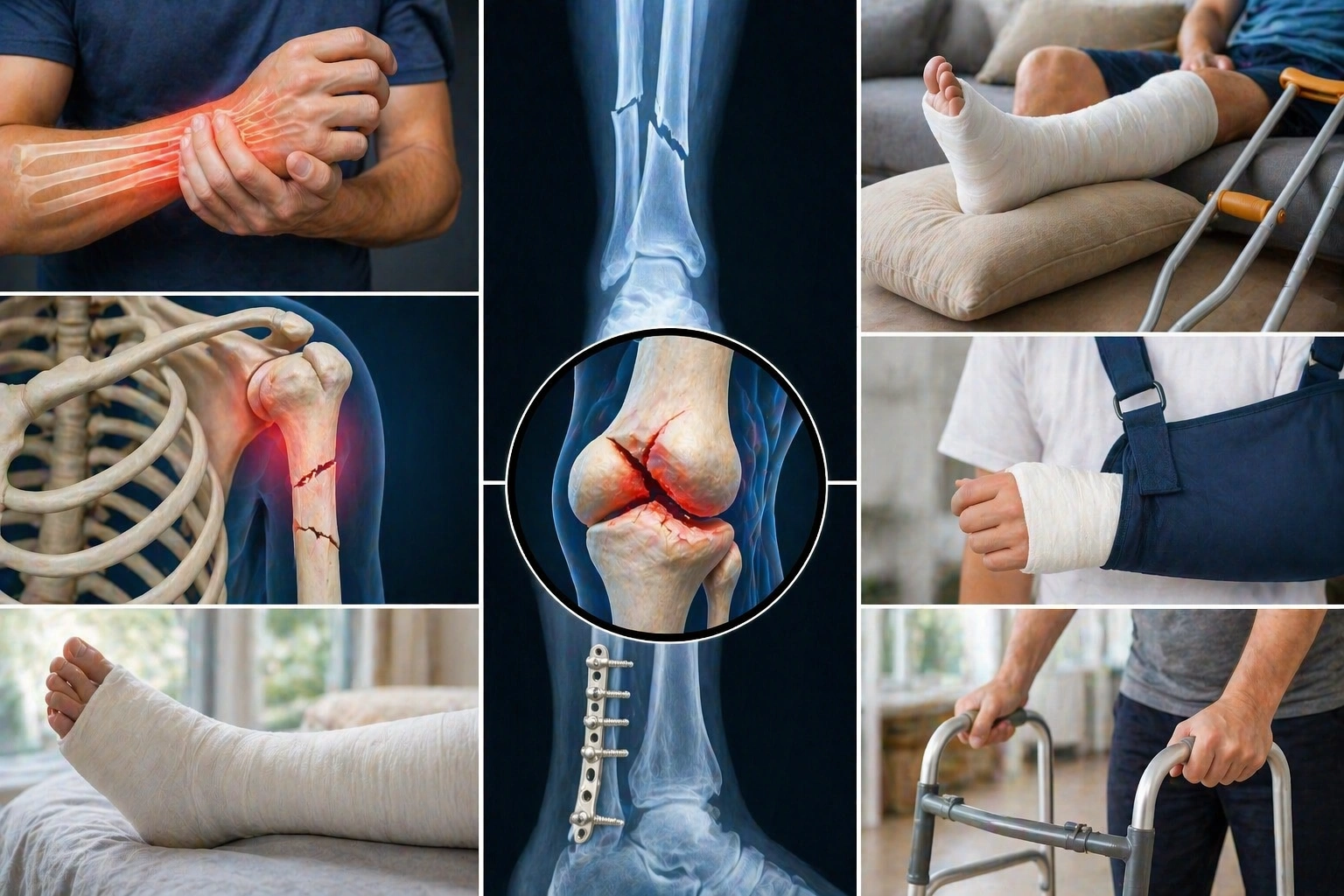
- R.I.C.E. method (Rest, Ice, Compression, Elevation) is recommended
- Use of crutches or support may be advised
- Physiotherapy is essential for recovery
- Fever
- Persistent pain
- Redness or swelling
- Drainage from incision
- Numbness or tingling
Recovery & Results
- Light activities can usually resume within a few days
- Driving may be possible in 1–3 weeks
- More intense activities can begin after a few weeks
- Recovery time varies depending on the procedure