

Mental Health
Drugs and Alcohol Addiction
Overview
Overview
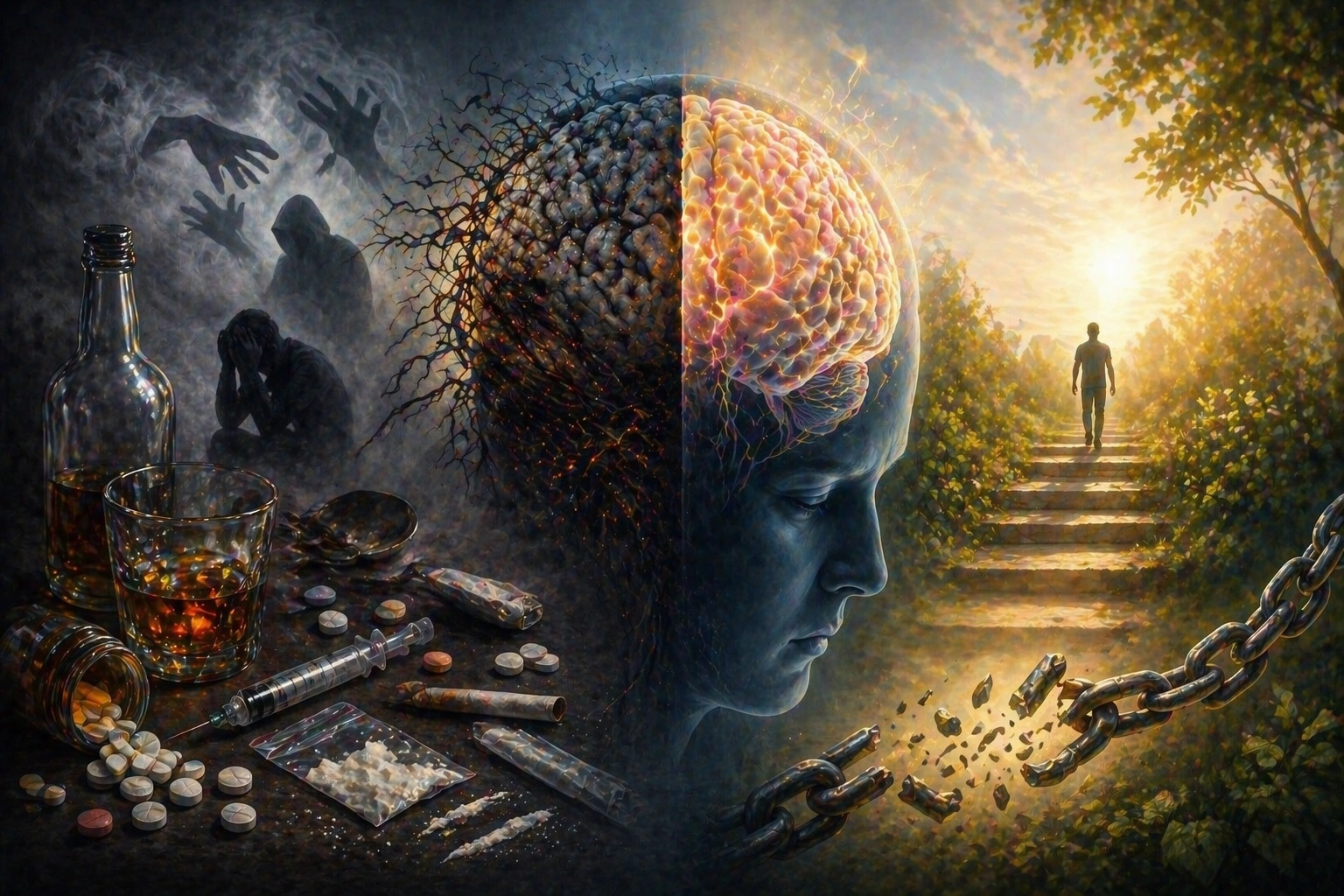
Alcohol addiction is a medical condition that affects the brain and behavior. It is considered a chronic disease that often requires both medical and psychological treatment for effective management. Factors such as genetics, early life experiences, and attempts to cope with emotional distress can contribute to the development of addiction.Substance abuse is not limited to alcohol. Various types of drugs affect the brain’s reward system, creating intense feelings of pleasure that can lead to repeated use and dependency. These substances include:
- Stimulants: such as cocaine and amphetamines
- Hallucinogens: such as LSD and magic mushrooms
- Opiates: including heroin, codeine, and certain pain medications
- Designer drugs: synthetic substances with varying effects
Psychological and Physical Dependence
Psychological DependenceThis occurs when a person becomes mentally and emotionally reliant on a substance. It dominates their thoughts and behaviors, leading to strong cravings despite harmful consequences.
Physical Dependence
In this stage, the body adapts to the substance, leading to tolerance (needing more of the substance for the same effect). When use is reduced or stopped, withdrawal symptoms may occur.
Treatment & Management
Addiction is often a long-term condition with periods of relapse and recovery. Continuous care and follow-up are important for successful management. In some cases, individuals may also have co-existing mental health conditions, which should be treated simultaneously for better outcomes.The main approaches to treatment include:
- Detoxification and Rehabilitation: Safely removing the substance from the body and providing structured recovery support
- Psychological Therapies: Such as Cognitive Behavioral Therapy (CBT) and Motivational Enhancement Therapy (MET)
- Medications: Used to reduce cravings, manage withdrawal symptoms, and prevent relapse