

Pain Clinic
Peripheral Vascular Pain
Overview
Overview
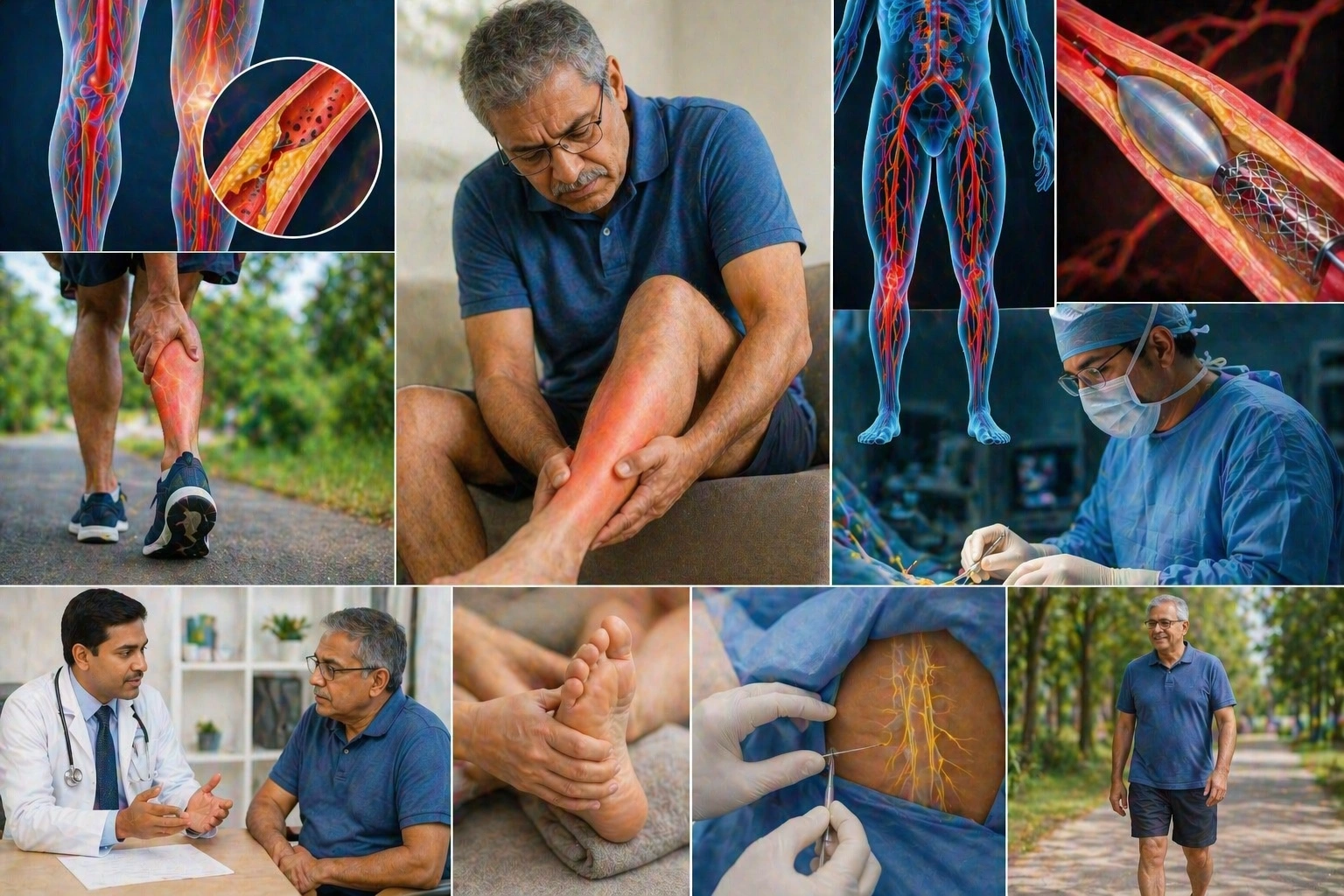
Peripheral vascular disease (PVD) is a condition that develops gradually and affects blood circulation. It occurs when blood vessels become narrowed, blocked, or go into spasm, limiting proper blood flow. Although it can involve arteries, veins, or lymphatic vessels throughout the body, it most commonly affects the legs and feet.When blood flow is reduced, tissues and organs may not receive enough oxygen and nutrients, leading to pain and functional problems. PVD is also commonly referred to as peripheral arterial disease (PAD).
Treatment focuses on restoring blood circulation through medications, minimally invasive procedures like angioplasty, or surgical interventions. In addition to addressing the underlying cause, pain management plays a crucial role in improving comfort and quality of life.
Pain Management in PVD
Pain associated with PVD can be persistent and challenging. A comprehensive, multi-approach strategy is often used:- Medications: A combination of drugs may be prescribed to control pain effectively while minimizing side effects
- Regular Monitoring: Dosages are carefully adjusted to achieve optimal relief with minimal risk
- Multimodal Approach: Using multiple therapies together improves overall outcomes
Interventional Treatments
Minimally invasive procedures can help manage pain when medications alone are not sufficient.One commonly used technique is:
- Lumbar Sympathectomy:
This procedure targets specific nerves near the spine (sympathetic nerves) that carry pain signals. By blocking or modifying these nerves using local anesthetics, alcohol, or radiofrequency energy, pain relief can be achieved for longer durations.