

Joint Care
Hip Arthritis – Total Hip Replacement
Overview
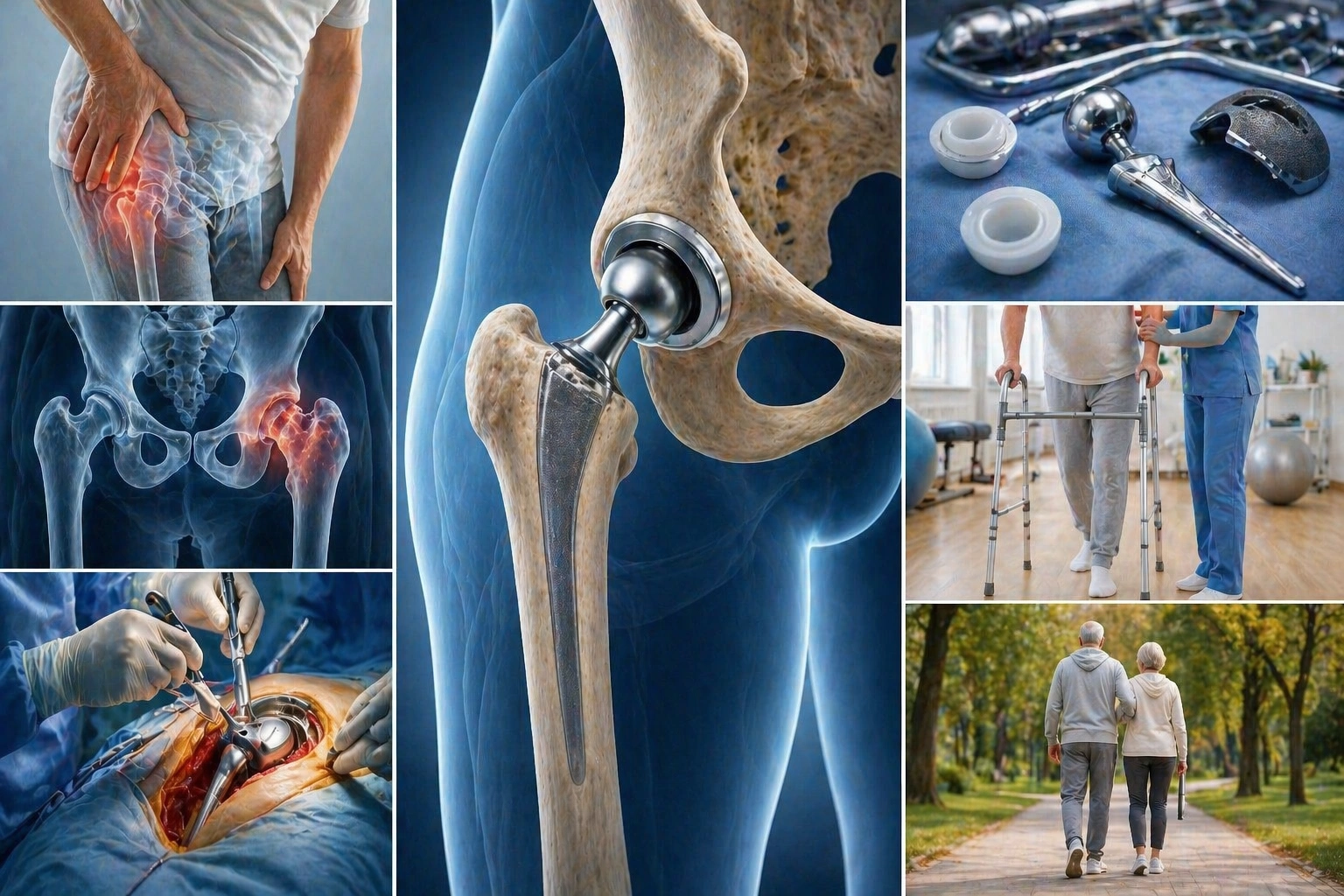
Hip replacement surgery, also known as total hip arthroplasty, is a procedure in which damaged portions of the hip joint are removed and replaced with artificial components made from metal, ceramic, and durable plastic. This prosthetic joint helps relieve pain, restore mobility, and improve overall quality of life.
This surgery is typically recommended when hip pain becomes severe enough to interfere with everyday activities and when conservative treatments such as medications or therapy no longer provide relief. The most common reason for hip replacement is joint damage caused by arthritis.
Patients may be advised to stop certain medications or supplements before surgery and avoid eating after midnight prior to the procedure.
Planning Recovery:
Arranging assistance in advance is important, as patients may need help with daily activities like cooking, bathing, and mobility.
Home Preparation Tips:
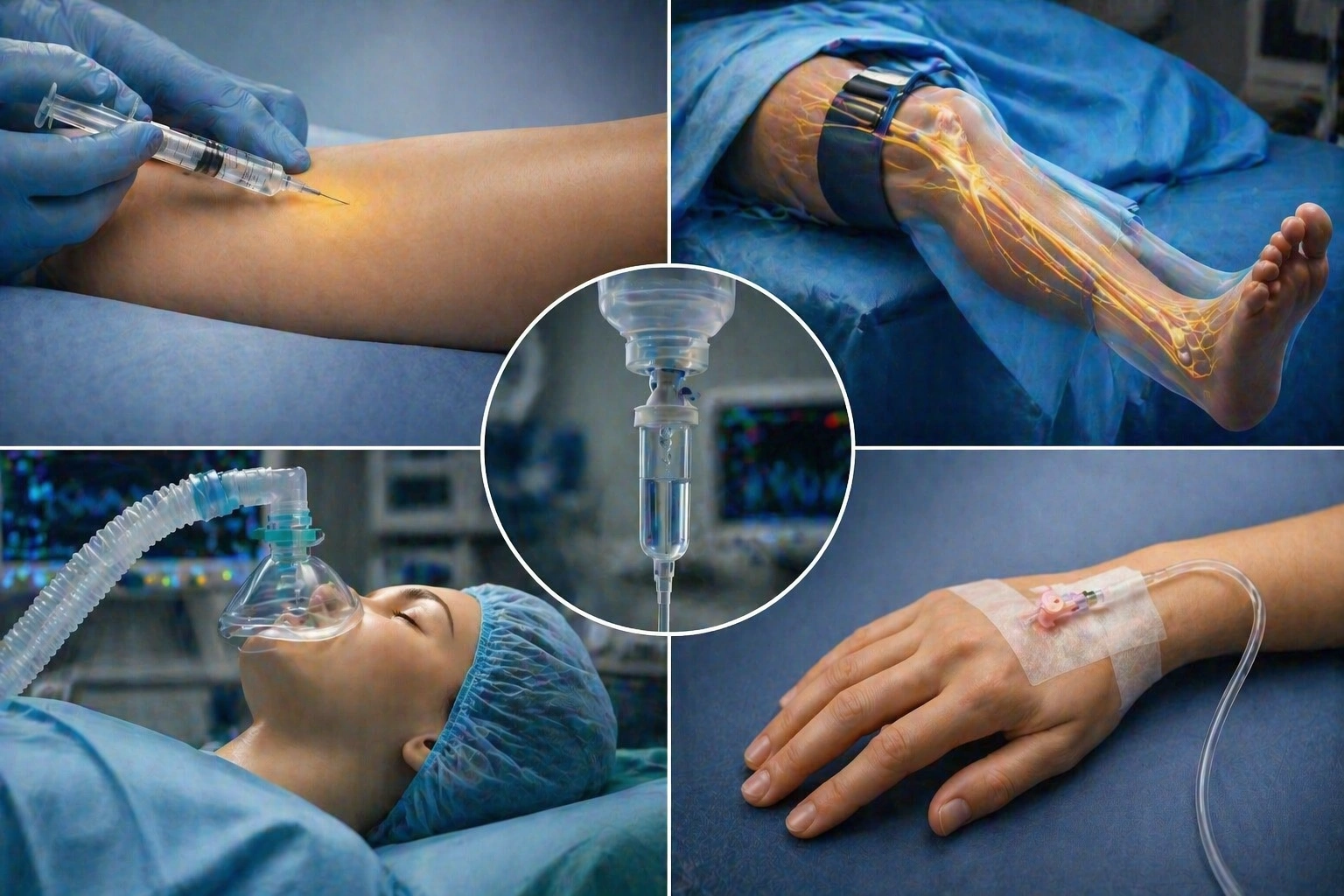
Anesthesia (general or spinal) is administered. Antibiotics are given to prevent infection, and sometimes a nerve block is used for pain control.
During Surgery:
The surgeon removes damaged bone and cartilage and replaces them with prosthetic components. The procedure usually takes 1–2 hours.
After Surgery:
Patients are monitored in recovery before being moved to a ward or discharged. Pain is managed with medications, and early movement is encouraged to improve circulation and prevent complications.
Artificial hip joints can last 15–20 years or more. Low-impact activities such as walking, swimming, cycling, and golf are recommended, while high-impact activities should be avoided.
This surgery is typically recommended when hip pain becomes severe enough to interfere with everyday activities and when conservative treatments such as medications or therapy no longer provide relief. The most common reason for hip replacement is joint damage caused by arthritis.
🔹 Why Hip Replacement is Needed
Several conditions can lead to hip joint damage, including:- Osteoarthritis: A degenerative condition where cartilage wears away, causing pain and stiffness.
- Rheumatoid arthritis: An autoimmune disorder that leads to inflammation, damaging cartilage and bone.
- Osteonecrosis: Reduced blood supply to the hip joint can cause bone collapse and joint deformity.
- Pain continues despite medication
- Walking becomes difficult, even with support
- Sleep is affected due to discomfort
- Climbing stairs becomes challenging
- Sitting or standing becomes painful
🔹 Risks and Complications
Although hip replacement is generally safe, some risks include:- Infection
- Blood clots in the legs or lungs
- Joint dislocation
- Nerve injury
- Implant wear or loosening over time
🔹 Blood Clot Prevention
After surgery, patients may have an increased risk of developing blood clots. To reduce this risk:- Early movement: Patients are encouraged to sit, stand, and walk soon after surgery.
- Compression support: Elastic stockings or inflatable sleeves help improve blood circulation.
- Medications: Blood thinners may be prescribed for several weeks depending on individual risk.
🔹 Preparing for Surgery
Medications & Diet:Patients may be advised to stop certain medications or supplements before surgery and avoid eating after midnight prior to the procedure.
Planning Recovery:
Arranging assistance in advance is important, as patients may need help with daily activities like cooking, bathing, and mobility.
Home Preparation Tips:
- Set up a living area on one floor
- Install grab bars in bathrooms
- Ensure stair railings are secure
- Use firm chairs with support
- Remove loose rugs and obstacles
- Keep essential items within easy reach
🔹 What to Expect
Before Surgery:Anesthesia (general or spinal) is administered. Antibiotics are given to prevent infection, and sometimes a nerve block is used for pain control.
During Surgery:
The surgeon removes damaged bone and cartilage and replaces them with prosthetic components. The procedure usually takes 1–2 hours.
After Surgery:
Patients are monitored in recovery before being moved to a ward or discharged. Pain is managed with medications, and early movement is encouraged to improve circulation and prevent complications.
🔹 Rehabilitation & Recovery
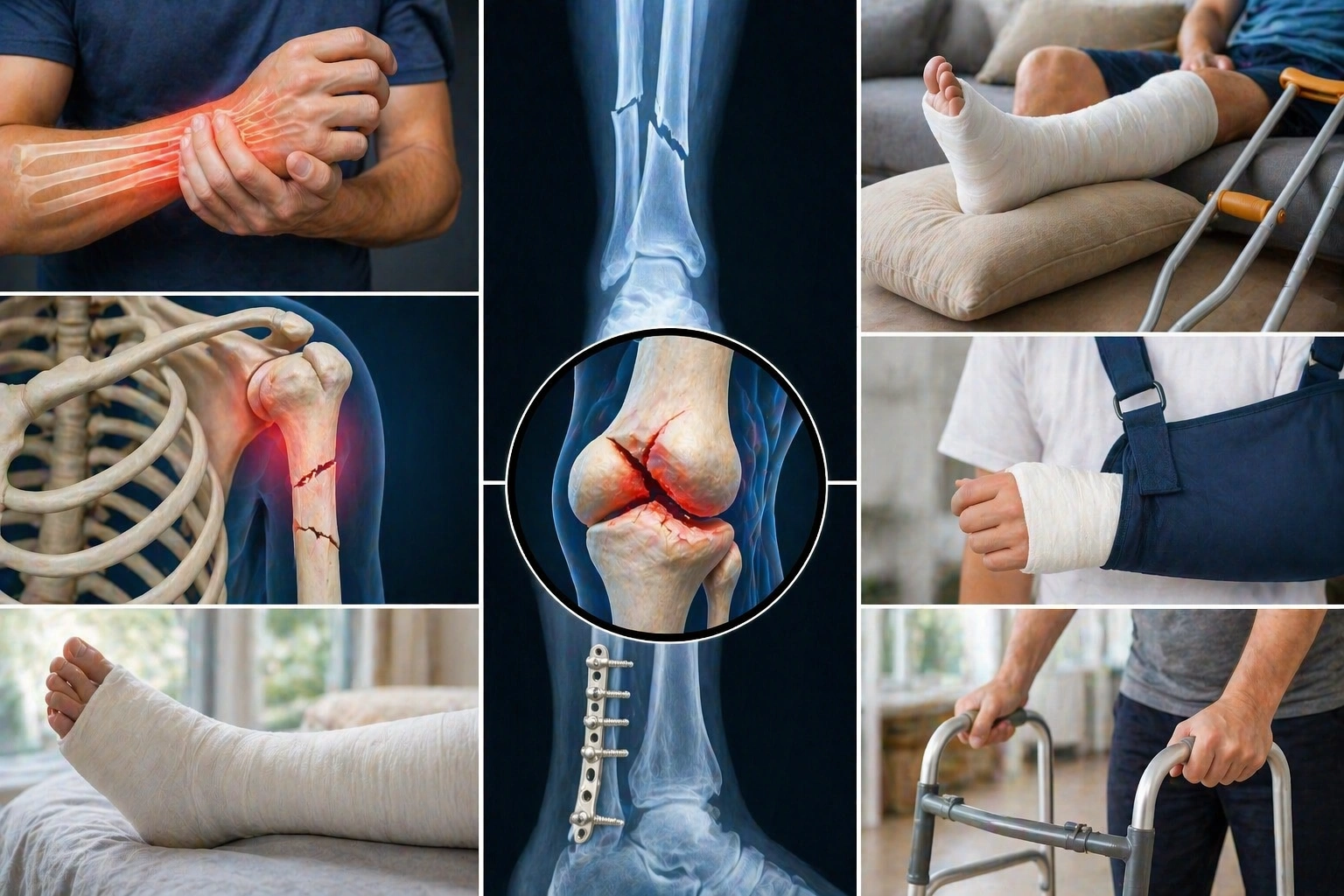
- Physiotherapy: Helps restore strength, flexibility, and mobility.
- Walking aids: Devices like walkers or canes are used initially.
- Gradual activity increase: Patients slowly return to daily activities.
- Arrange meals in advance
- Use a raised toilet seat or shower chair
- Keep frequently used items nearby
🔹 Results and Long-Term Outcomes
Most patients experience:- Significant pain relief
- Improved joint function
- Better mobility and independence
Artificial hip joints can last 15–20 years or more. Low-impact activities such as walking, swimming, cycling, and golf are recommended, while high-impact activities should be avoided.