

Post Herpetic Neuralgia
Overview
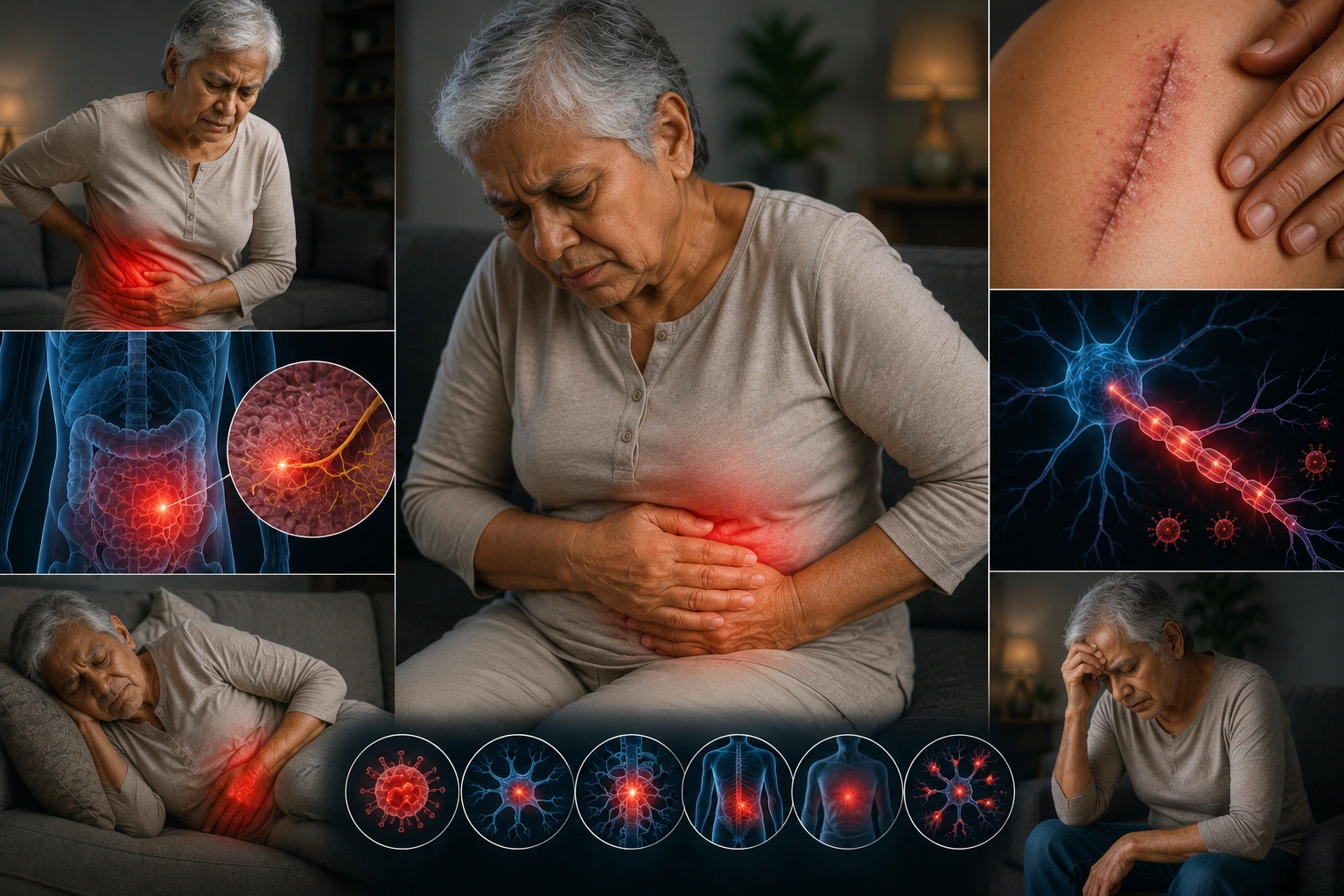
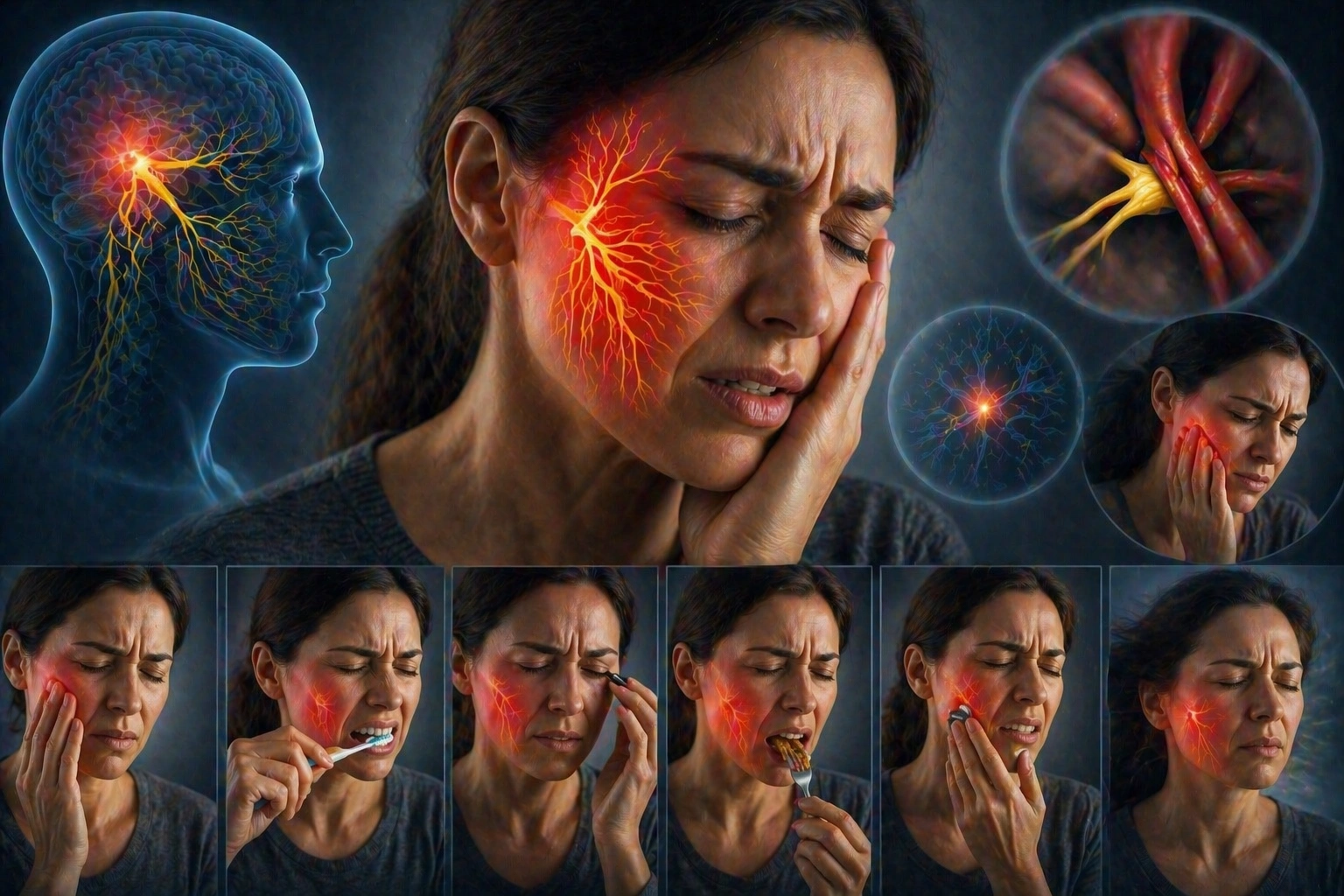
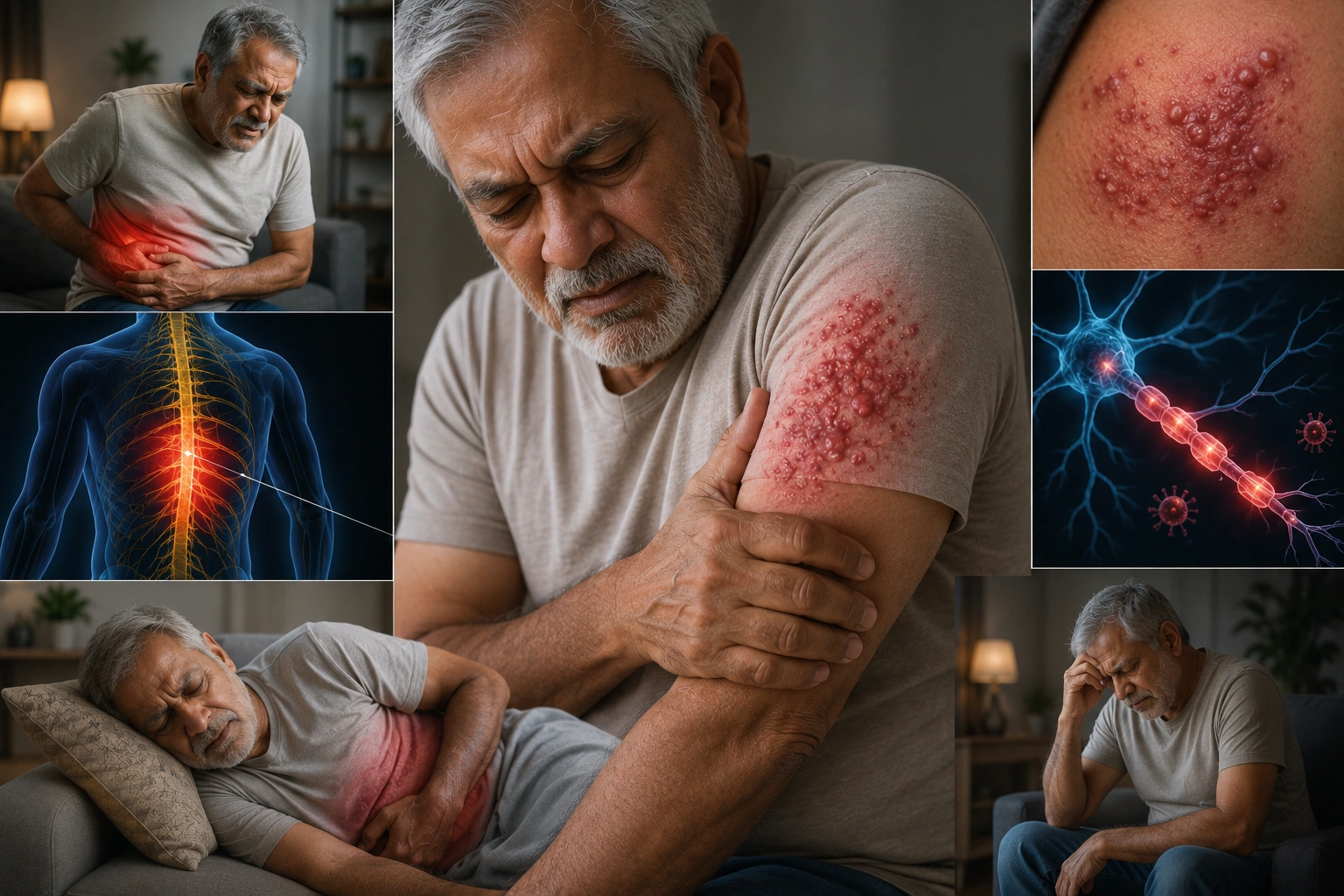
Postherpetic Neuralgia is one of the most common complications that can occur after shingles. It affects the nerves and skin, leading to a persistent burning or painful sensation that may continue even after the shingles rash and blisters have healed.
Shingles is caused by the chickenpox virus (herpes zoster virus). The likelihood of developing postherpetic neuralgia increases with age and is seen more commonly in individuals above 60 years. While there is no definitive cure, several treatment options are available to help manage the symptoms. In many cases, the condition gradually improves over time.
Symptoms
The symptoms of postherpetic neuralgia are usually confined to the area where the shingles rash first appeared, often affecting one side of the body in a band-like pattern around the chest or trunk.
Common symptoms include:
-
Pain lasting for three months or more after the shingles rash has healed. The pain may feel burning, stabbing, sharp, deep, or aching in nature.
-
Extreme sensitivity to touch. Even light contact, such as clothing touching the skin, may cause significant discomfort (allodynia).
-
Itching or numbness in the affected region, although these symptoms are less common.
When to See a Doctor
Consult a doctor as soon as you notice symptoms of shingles. In many cases, pain begins even before the rash appears. Starting antiviral medications within 72 hours of the rash developing can significantly reduce the risk of postherpetic neuralgia.
If pain continues for months after the rash has healed, it is important to consult a pain medicine specialist to explore appropriate pain management options.
Causes
After a person recovers from chickenpox, the virus remains inactive in the body for life. As people age, or when the immune system becomes weakened due to illness, medications, or treatments such as chemotherapy, the virus may reactivate and cause shingles.
Postherpetic neuralgia develops when the nerves are damaged during a shingles outbreak. Damaged nerves are unable to properly transmit signals from the skin to the brain. As a result, pain signals become abnormal and exaggerated, leading to long-lasting and sometimes severe nerve pain that may persist for months or even years.
Risk Factors
People with shingles may have a higher chance of developing postherpetic neuralgia if they have:
-
Age above 50 years
-
Severe shingles rash or intense pain during the infection
-
Chronic medical conditions such as diabetes
-
Shingles affecting the face or torso
-
Delay in starting antiviral treatment beyond 72 hours after the rash appears
Treatment Options
There are several ways to manage postherpetic neuralgia, and treatment may involve one or more approaches depending on the severity of pain and its impact on daily life.
Medications for Nerve Pain
Specialized nerve pain medications can help reduce pain caused by nerve damage. Under the guidance of a pain medicine specialist, these medicines can often be used safely for long-term pain control.
Pain Relief Patches
Locally applied medicated plasters or patches may help decrease pain in the affected area.
Interventional Pain Procedures
Minimally invasive procedures such as pulsed radiofrequency treatment of the dorsal root ganglion may provide long-term relief. In this procedure, a thin specialized needle is inserted near the affected nerve under X-ray guidance, and controlled radiofrequency energy is applied to reduce pain signals.
Dorsal Root Ganglion Stimulation
For patients who do not respond adequately to other treatments, dorsal root ganglion stimulation may be considered as an advanced pain management option.
Prevention
The best way to prevent postherpetic neuralgia is by preventing shingles itself. Vaccination against shingles is recommended for eligible individuals, especially:
-
Adults above 50 years of age
-
Individuals with weakened immunity
Effective pain control during the early phase of shingles, under the supervision of a pain medicine specialist, may also help reduce the risk of developing chronic postherpetic neuralgia pain.