


Pain Clinic
Phantom Pain
Overview
Overview
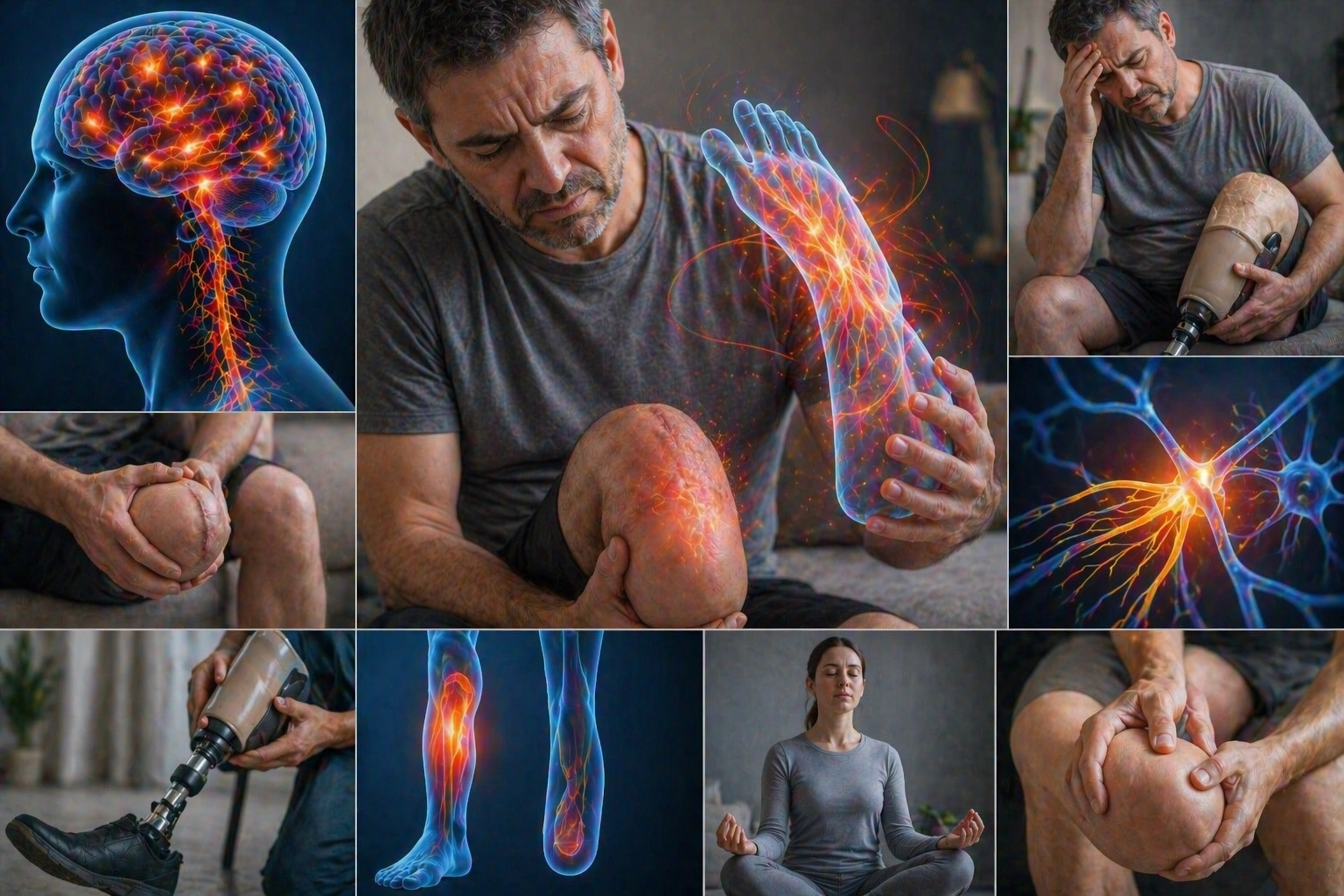
Phantom pain is a condition in which a person experiences pain sensations in a part of the body that has been removed, such as after an amputation. Although it was once thought to be psychological, it is now understood to be a neurological condition originating from the brain and spinal cord.Many individuals who undergo amputation also report a feeling that the missing limb is still present. This is called phantom limb sensation, which is different from phantom pain because it does not involve discomfort.
For some individuals, phantom pain gradually decreases over time, while for others it can persist and require medical management through medications and specialized therapies.
Types
- Phantom Pain: Pain perceived in the missing limb
- Residual Limb Pain: Pain felt in the remaining part of the limb after amputation
Symptoms
Phantom pain may present with the following characteristics:- Begins soon after amputation, though it can appear later
- May be constant or occur in episodes
- Often felt in the part of the limb farthest from the body (e.g., foot or hand)
- Described as shooting, stabbing, burning, cramping, throbbing, or tingling
Causes
The exact cause of phantom pain is not fully understood, but it is linked to changes in the brain and spinal cord.After amputation:
- The brain continues to send and receive signals as if the limb were still present
- Loss of input from the missing limb causes the nervous system to reorganize
- Mixed or misinterpreted signals can result in pain sensations
Other contributing factors include:
- Damaged nerve endings at the amputation site
- Scar tissue formation
- Memory of pain experienced before amputation
- Poorly fitted prosthetic devices (more commonly linked to residual pain)
Risk Factors
Certain factors may increase the likelihood of experiencing phantom pain:- Pain in the limb before amputation
- Ongoing pain in the remaining limb (residual limb pain)
- Nerve-related complications such as neuromas
Prevention
Preventive strategies may help reduce the risk of phantom pain:- Use of regional anesthesia (spinal or epidural) before or during amputation
- Effective pain control before and after surgery
- Early rehabilitation and proper prosthetic fitting