

Joint Care
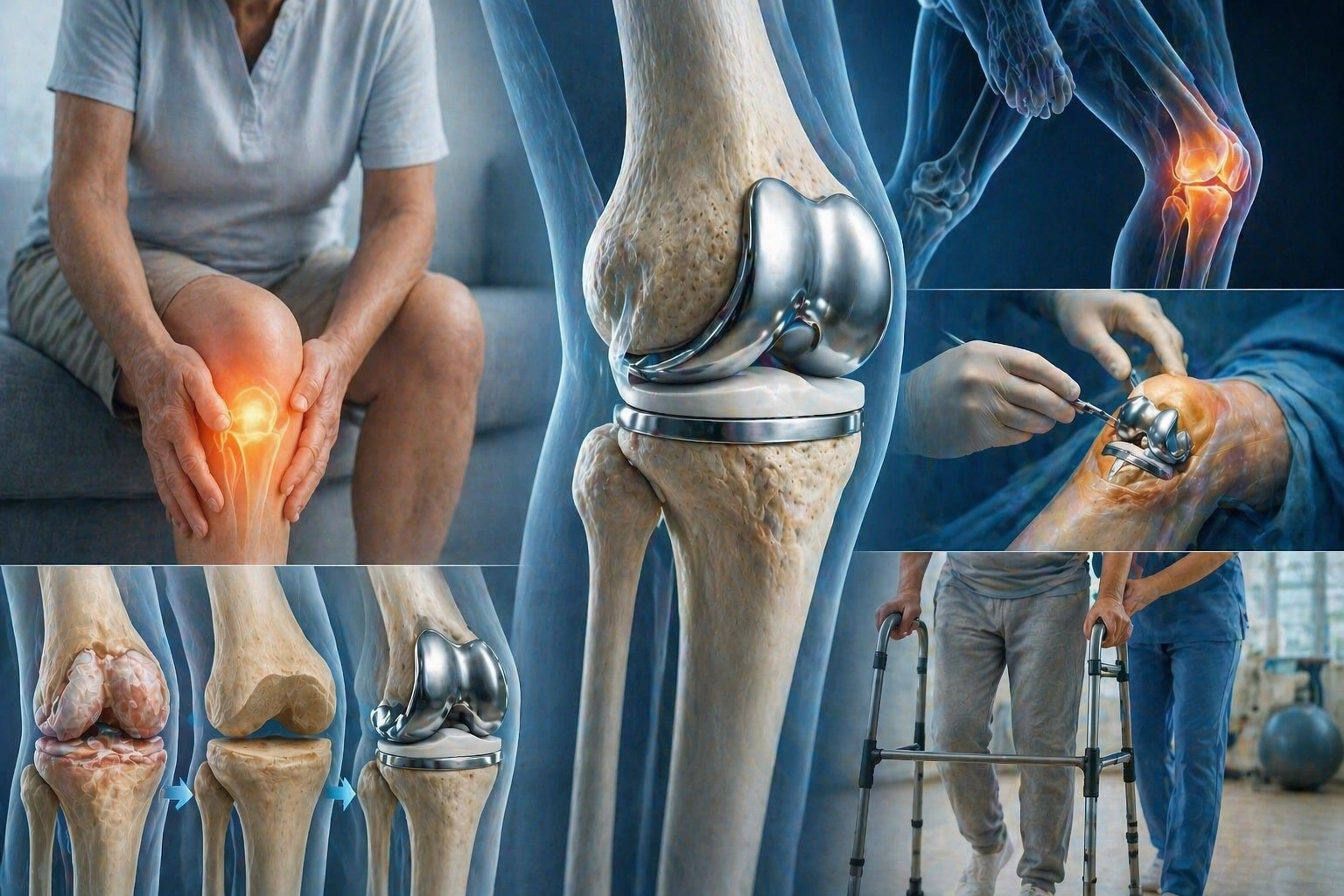
Knee Arthritis – Total Knee Replacement
Overview
To decide if this surgery is suitable, an orthopedic specialist evaluates the knee’s flexibility, strength, and stability. Imaging tests such as X-rays are used to assess the extent of joint damage. The choice of implant and surgical approach is based on factors like age, body weight, activity level, and overall health.
Why Knee Replacement is Needed
The primary reason for undergoing knee replacement is to relieve intense pain, most commonly caused by osteoarthritis. People who require this surgery often struggle with daily activities such as walking, climbing stairs, or getting up from a seated position. In some cases, pain may persist even while resting.Risks Involved
Like any surgical procedure, knee replacement carries certain risks, including:- Infection
- Blood clots in the legs or lungs
- Heart attack or stroke
- Nerve-related complications
Signs of Infection
Patients should seek medical attention immediately if they notice:- Fever above 100°F (37.8°C)
- Chills or shivering
- Discharge from the surgical wound
- Increasing redness, swelling, or pain around the knee
Durability of Artificial Joints
Although artificial knees are built to last, they can wear out over time. High-impact activities or excessive stress on the joint may increase the risk of implant failure.Preparing for Surgery
Medications & Diet:Patients may need to stop certain medications or supplements before surgery and are usually advised not to eat after midnight on the day of the procedure.
Planning Recovery:
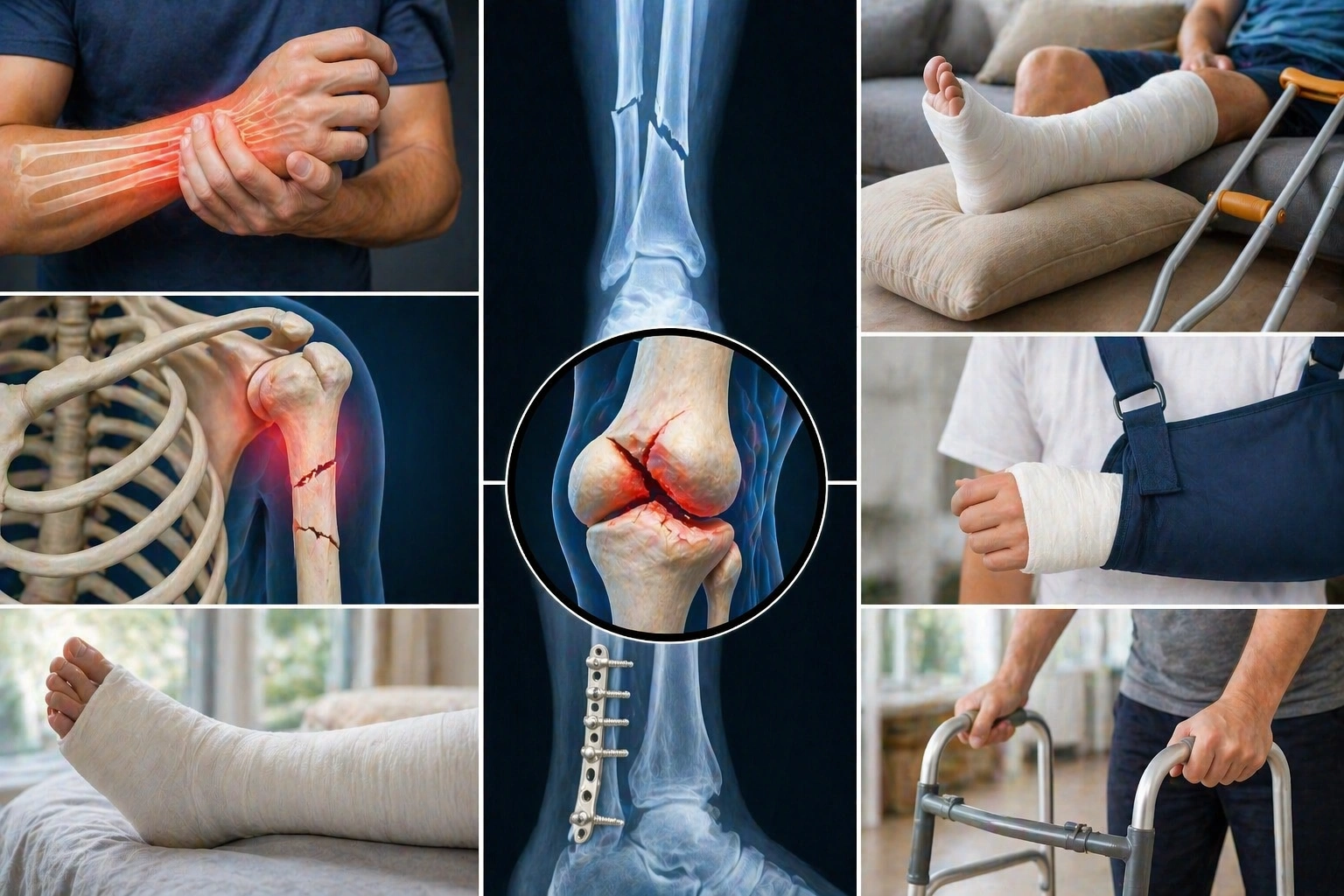
Arranging support in advance is important. Patients may need assistive devices like crutches or walkers and help with daily tasks such as cooking or bathing.
Home Preparation Tips:
- Set up a living space on one floor
- Install grab bars in bathrooms
- Ensure sturdy handrails on stairs
- Use chairs with proper support
- Remove loose rugs and obstacles
What Happens During the Procedure
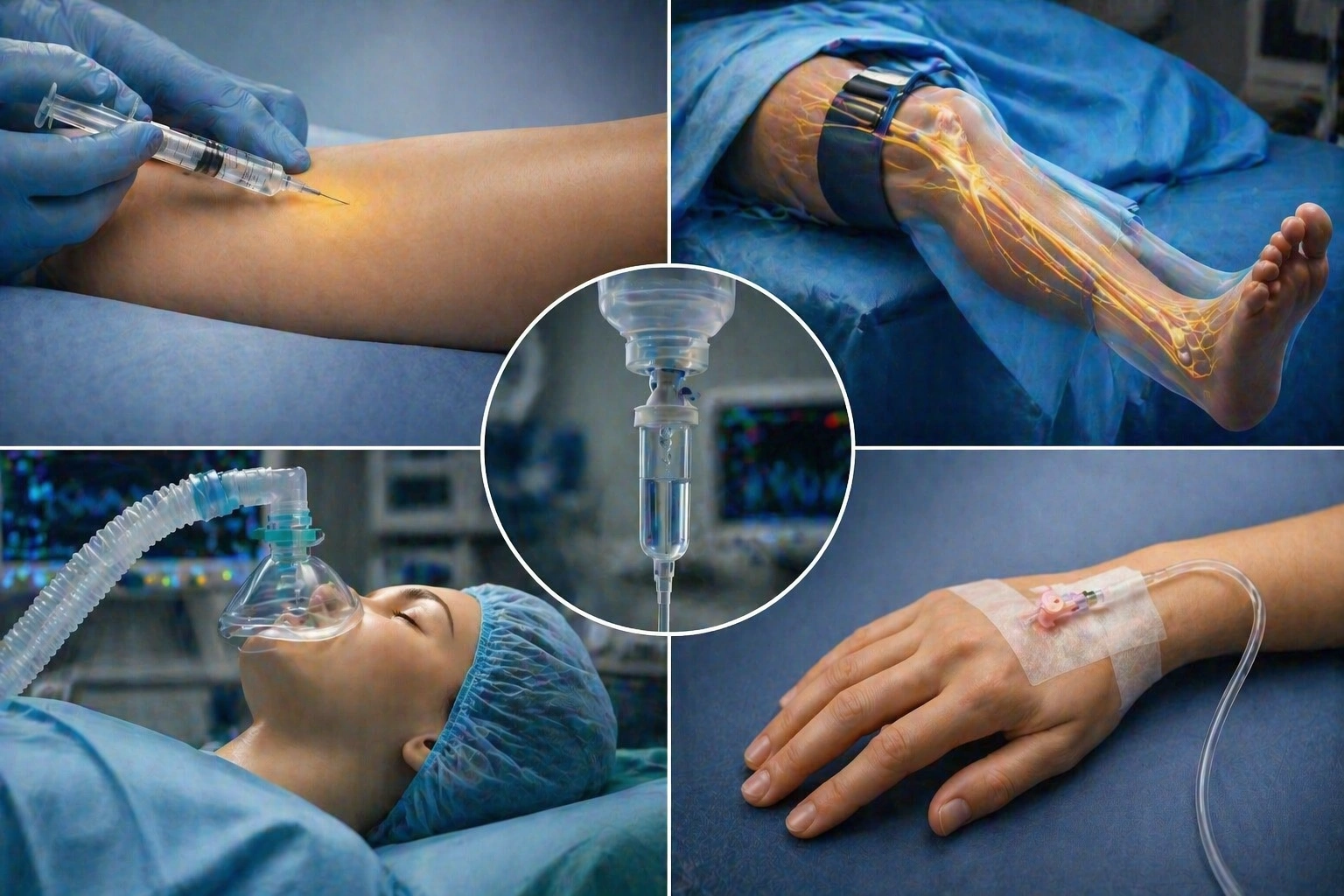
Before Surgery:Anesthesia is administered—either general (you are asleep) or spinal (you are awake but pain-free below the waist). Antibiotics are given to reduce infection risk, and a nerve block may be used for additional pain control.
During Surgery:
The surgeon makes an incision to access the knee, removes damaged tissue, and prepares the joint surfaces. The artificial components are then positioned and tested for proper movement before closing the incision. The procedure typically takes about two hours.
After Surgery
Patients are monitored in recovery for a few hours. Many can return home the same day, depending on their condition. Pain is managed with medication, and early movement is encouraged to improve circulation and reduce complications like blood clots.Supportive measures such as blood thinners, compression stockings, and breathing exercises are often recommended. A physiotherapist guides patients through exercises to restore mobility and strength. Continued rehabilitation at home or a therapy center is essential.
Recovery and Results
Most individuals experience significant pain relief, better mobility, and improved quality of life after surgery. Artificial knee joints can typically last 15 years or more.Within 3 to 6 weeks, patients can usually resume daily activities such as light household work and shopping. Driving may be possible once sufficient knee movement and control are regained.
After recovery, low-impact activities like walking, swimming, cycling, and golfing are encouraged. However, high-impact activities such as running or contact sports should be avoided. Always consult your doctor regarding activity limitations.