

Spine Care
Fractures Involving the Spine
Overview
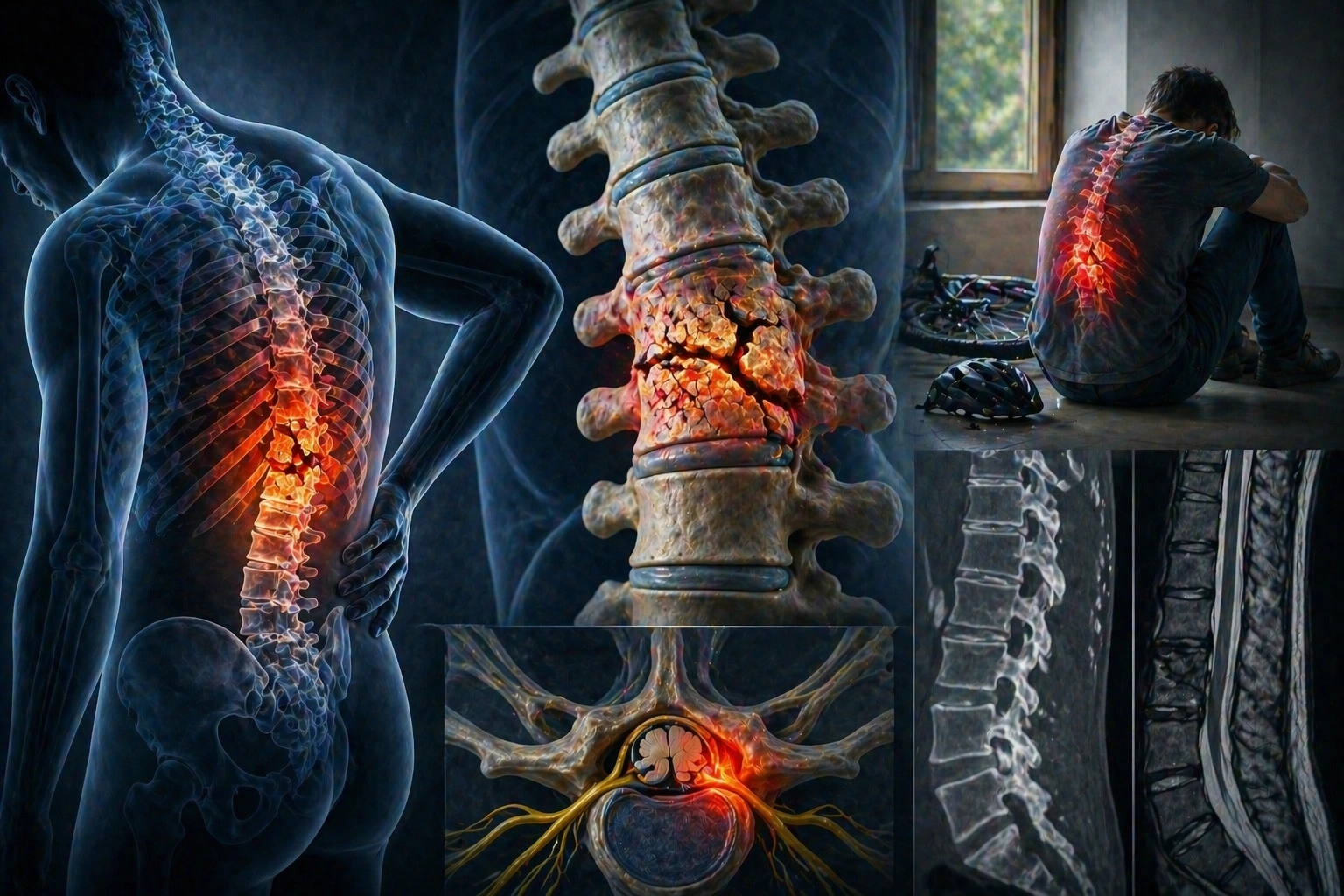
Spine fracture
How common is a Spine fracture?
15-20% of people more than 50 years will develop Osteoporotic spine fractures. The incidence is higher in Women in Post menopausal state.
16-64/1,00,000 population in India will have Spine fractures following Road traffic accident.
What is the importance of spinal fractures/ how is it different from other fractures?
Healing process of back bone fractures are similar to other fractures but collapse of fracture can lead to compression on spinal cord/ roots which can cause weakness of the limbs and can lead to paralysis in extreme cases.
What are the causes of Spine fracture?
What are the types of Spine fractures?
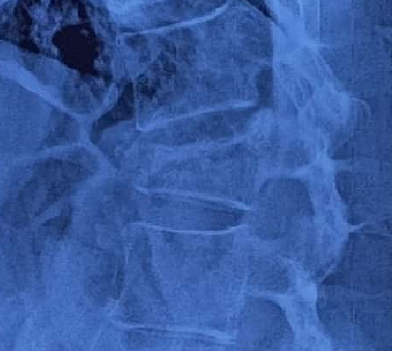
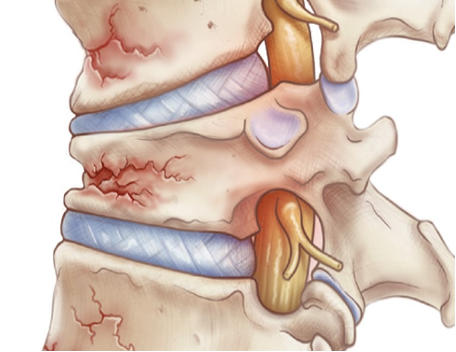
Fracture involving front of the back bone
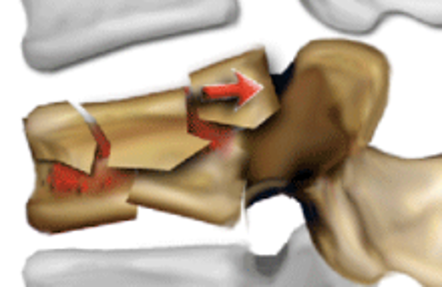
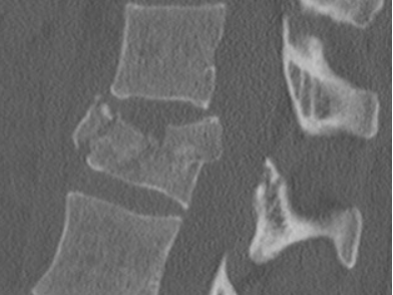
Axial burst fracture
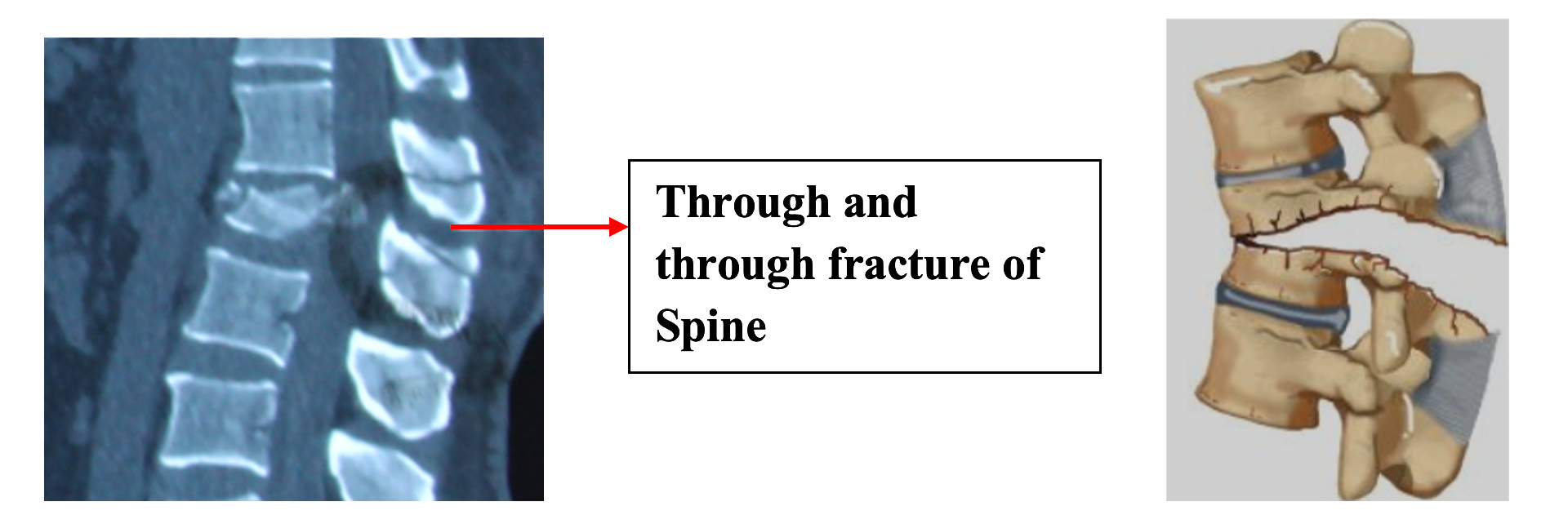
What are the common age groups affected?
Compression fractures are commonly affected in elderly age group.
Burst fractures and Chance fractures are commonly seen in younger age group.
What are the common sites of Spine involved?
Thoraco-lumbar Region is the most common site.
Lumbar (Lower back)
Thoracic (Upper back)
Cervical (Neck)
What are the presenting symptoms?
Severe pain associated with difficulty in walking.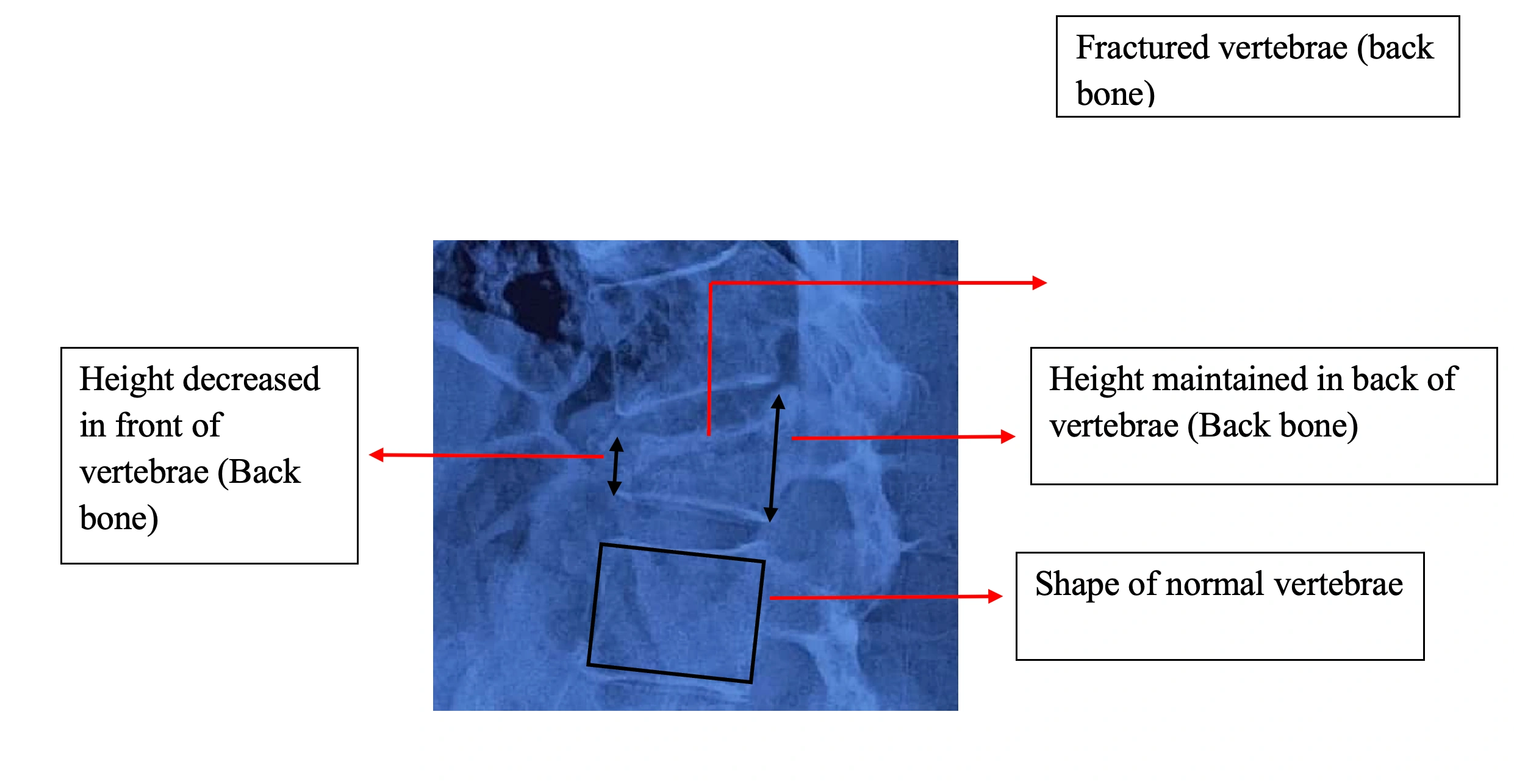
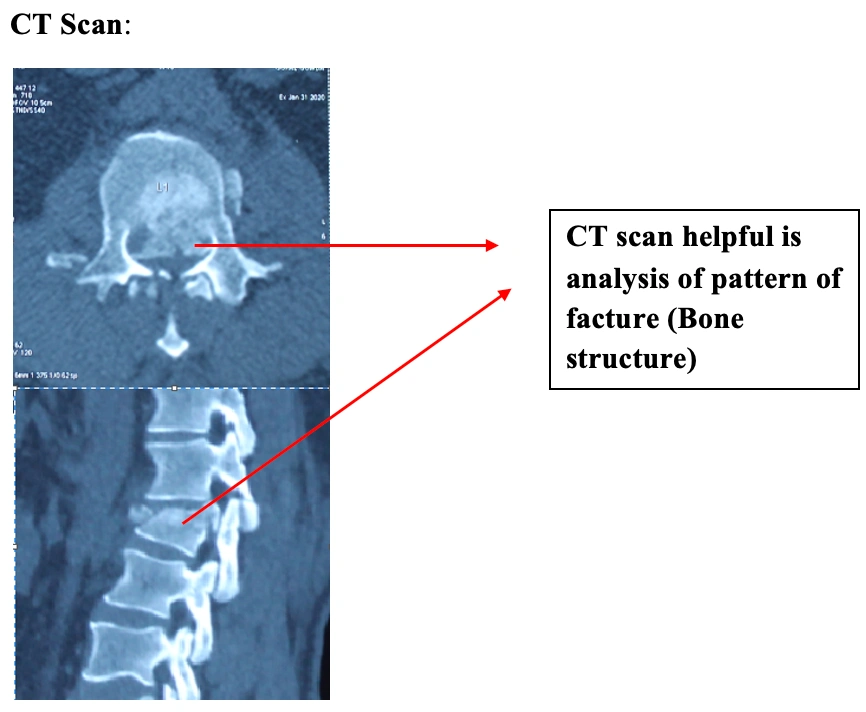
Diagnosis of Spine Trauma:
Imaging Tools:
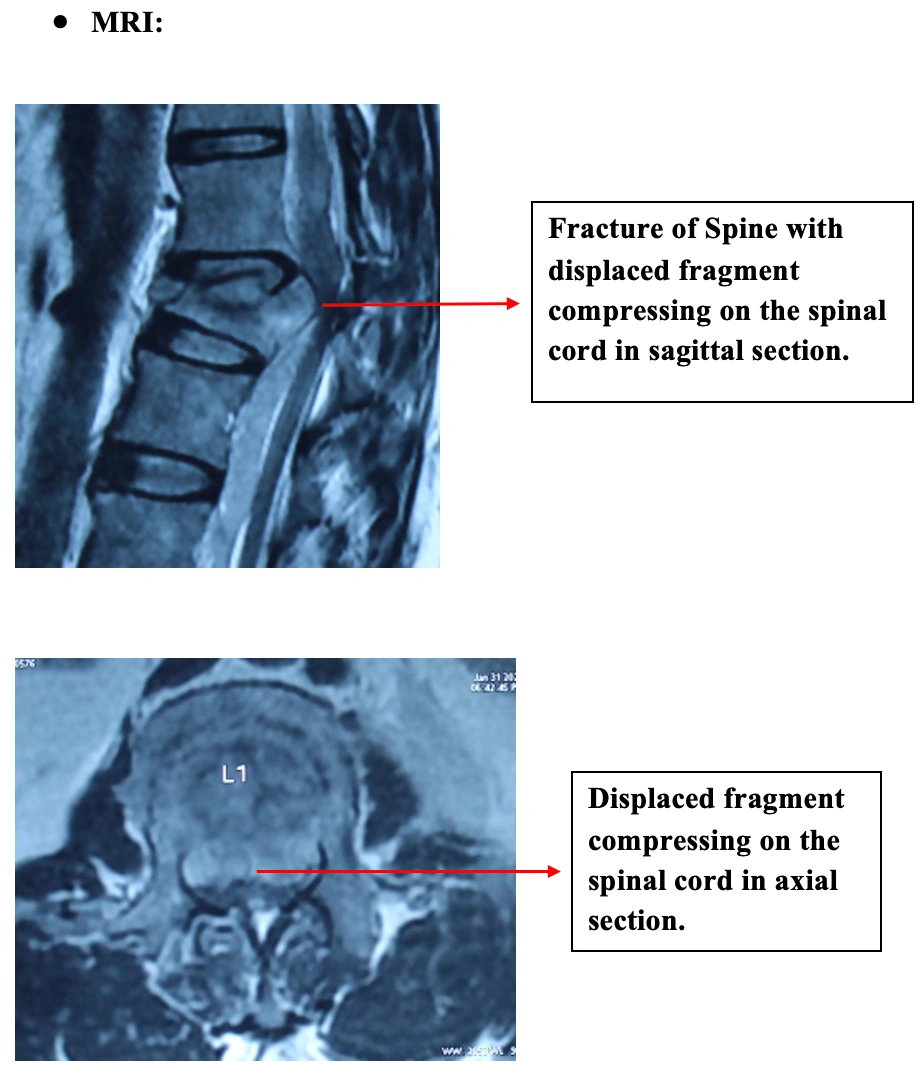
Treatment:
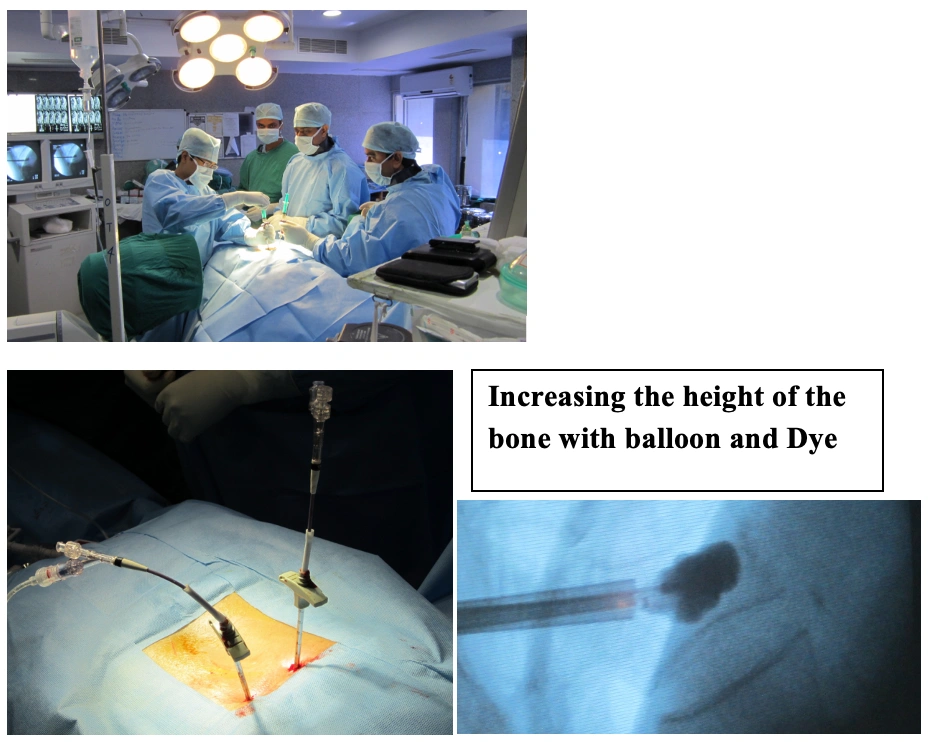
Non Surgical:
Indications:
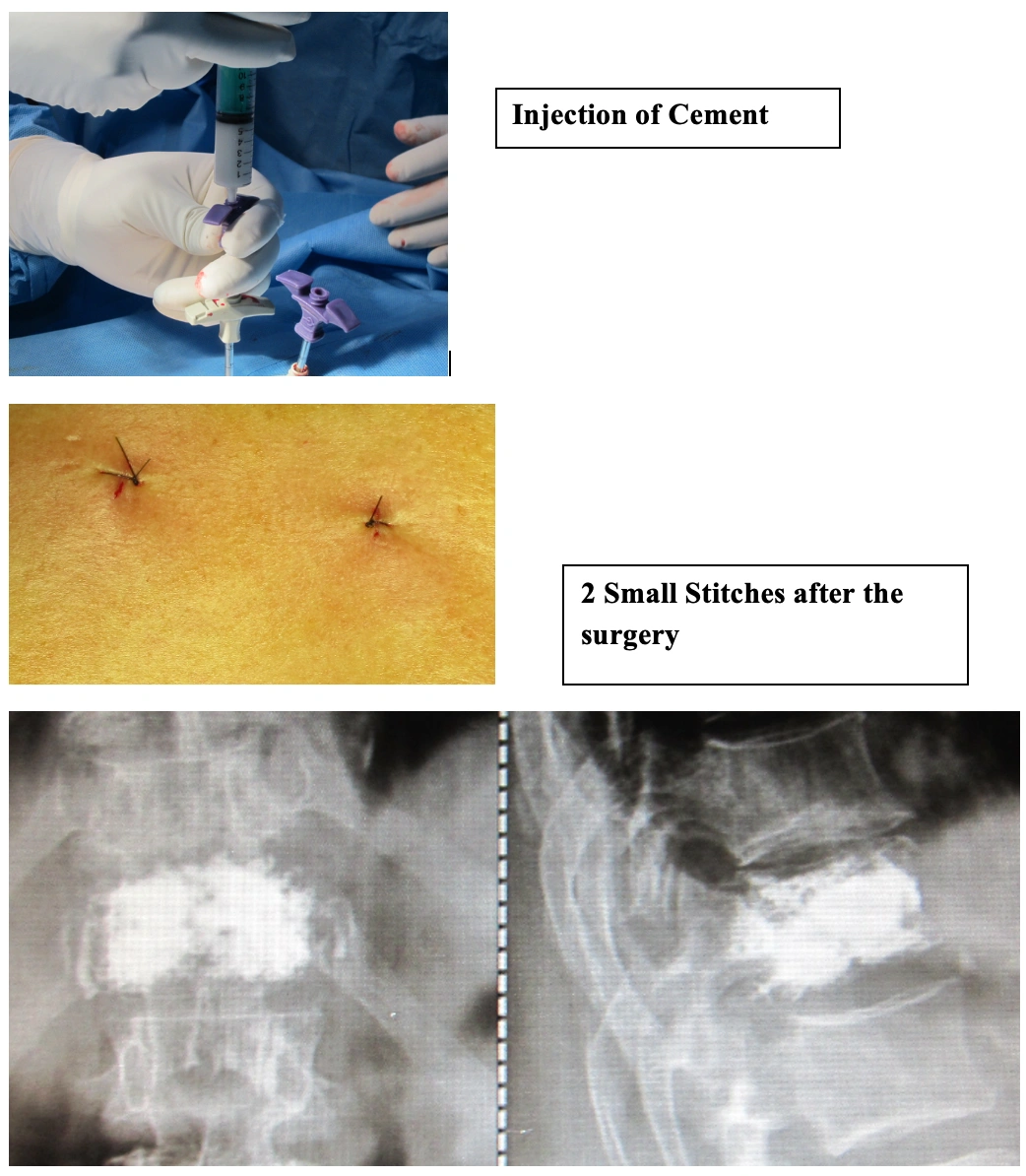
X-ray after cement injection procedure
Surgery in young Patients:
Lumbar spine fractures: (Lower back)
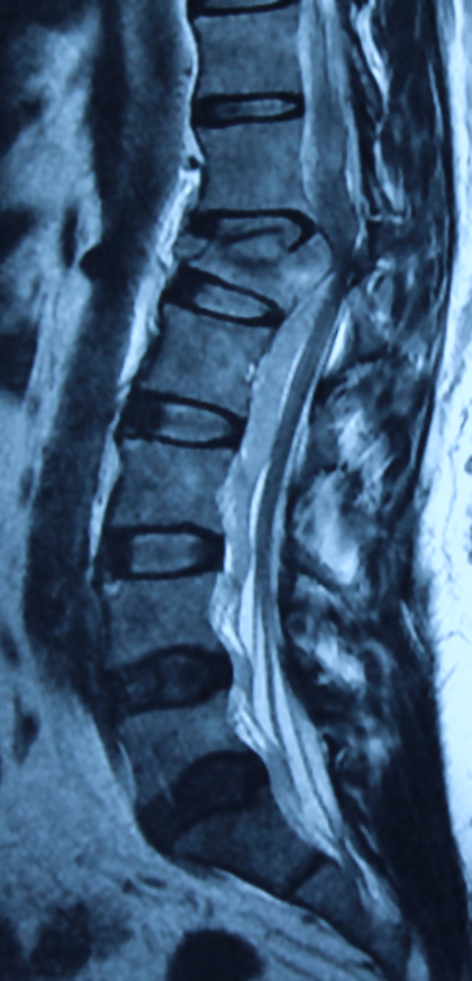
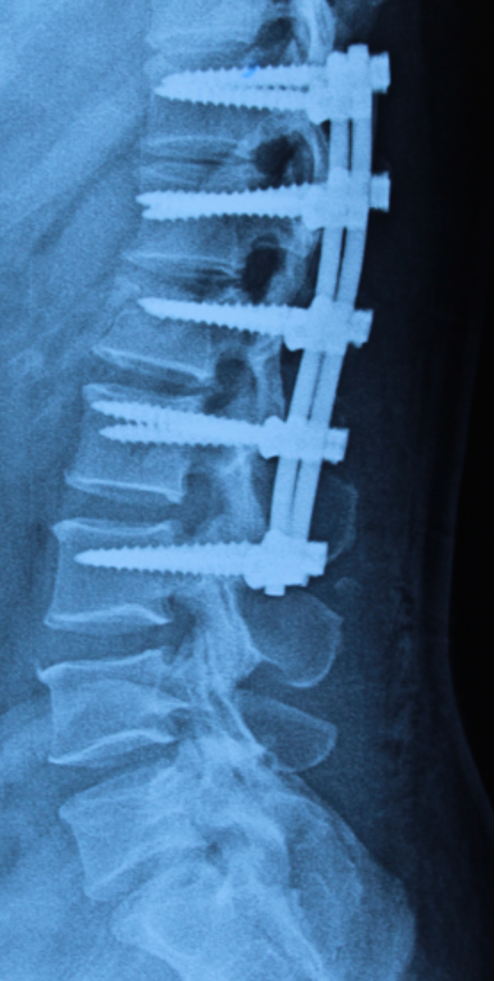
Fixation of fracture with screws and rods
Cervical spine fractures: (Neck fractures)
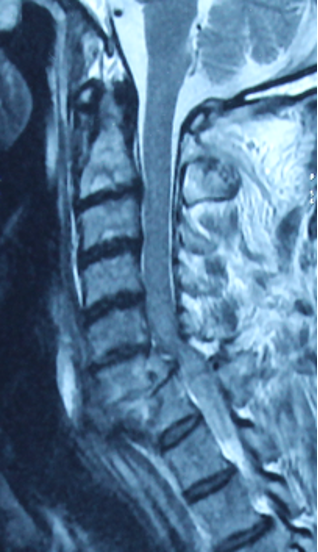
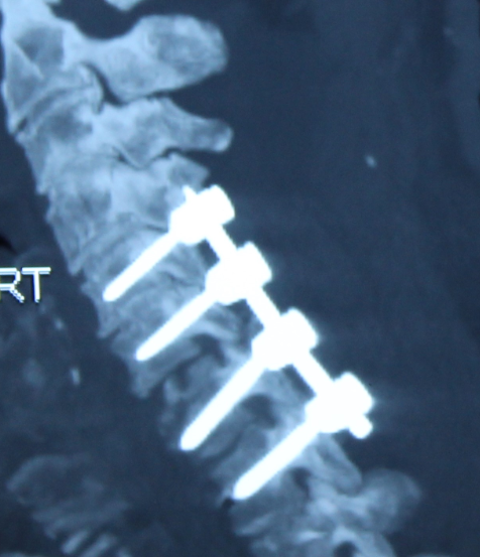
Fracture and dislocation of cervical spine | Reduced fracture dislocation and fixation with screws and rods.
Possible complications:
Infection.
Weakness in the limbs.
Dural tear
Cement leak into the Canal.
How common is a Spine fracture?
15-20% of people more than 50 years will develop Osteoporotic spine fractures. The incidence is higher in Women in Post menopausal state.
16-64/1,00,000 population in India will have Spine fractures following Road traffic accident.
What is the importance of spinal fractures/ how is it different from other fractures?
Healing process of back bone fractures are similar to other fractures but collapse of fracture can lead to compression on spinal cord/ roots which can cause weakness of the limbs and can lead to paralysis in extreme cases.
What are the causes of Spine fracture?
- Road traffic accidents
- Fall from height
- High velocity sport
- Trivial fall in elderly people can cause spine fracture.
What are the types of Spine fractures?
- Compression fracture: caused mainly in elderly population due to Osteoporosis or other disorders which weakens the bone. Only front part of the body of vertebra will be fractured.
Fracture involving front of the back bone
- Axial burst fracture: An axial burst fracture is caused by the loss of height on both the front and back of bodyof vertebra due to a fall or vertical impact. Usually high velocity injury.
Axial burst fracture
- Chance fracture: Through and through fracture of the full vertebra. A chance fracture usually occurs as the result of a car accident.
What are the common age groups affected?
Compression fractures are commonly affected in elderly age group.
Burst fractures and Chance fractures are commonly seen in younger age group.
What are the common sites of Spine involved?
Thoraco-lumbar Region is the most common site.
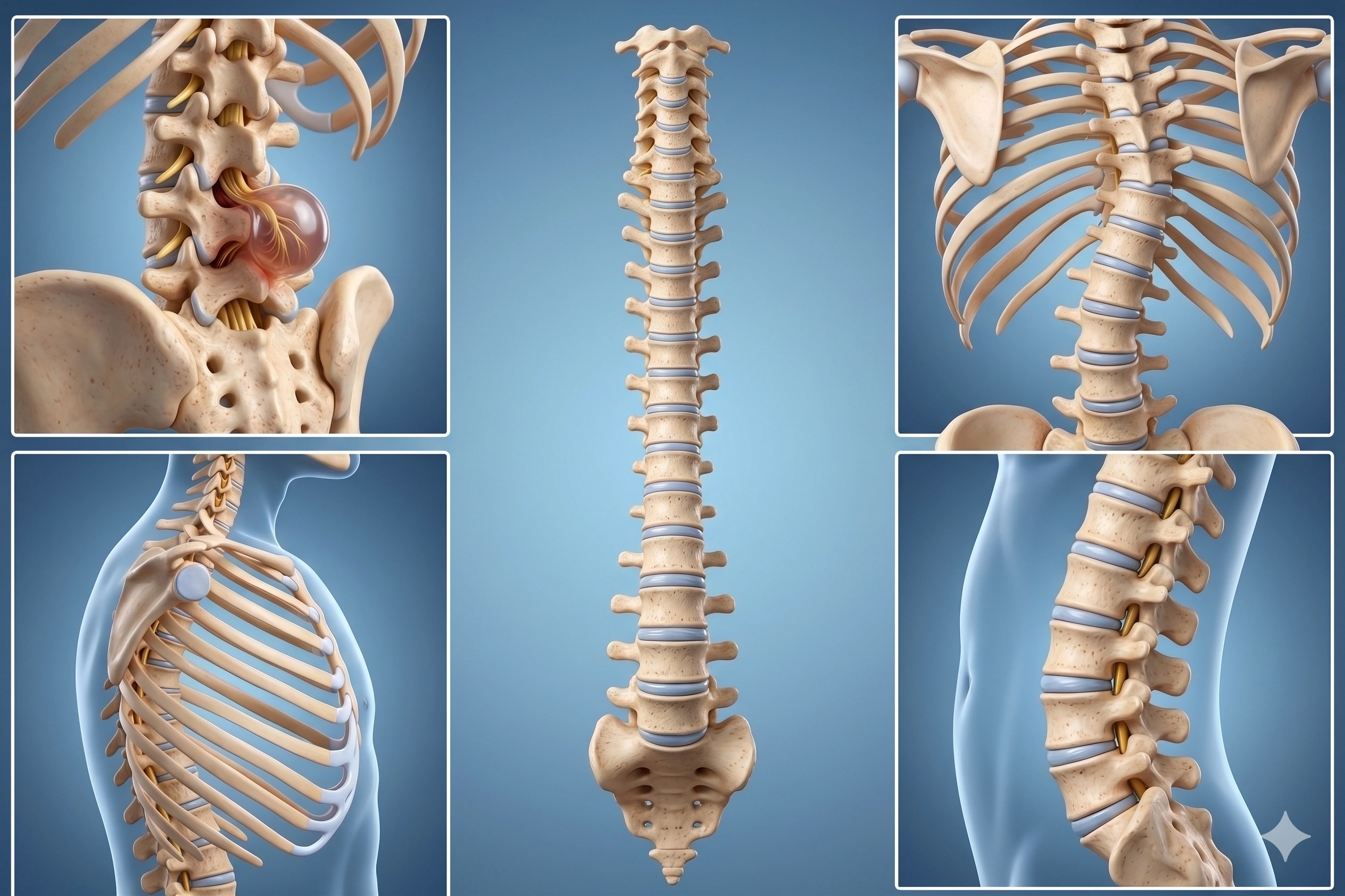
Lumbar (Lower back)
Thoracic (Upper back)
Cervical (Neck)
What are the presenting symptoms?
Severe pain associated with difficulty in walking.
- Radiating pain to the legs.
- Spinal deformity: Hunch back.
- Nerve injuries:
- Paralysis: Inability to move the limbs
- Loss of sensation in the limbs
- Difficulty in passing urine and stools.
Diagnosis of Spine Trauma:
Imaging Tools:
Treatment:
Non Surgical:
- Absolute bed rest for 6 weeks.
- Pain relieving medications.
- Calcium and Vitamin-D Supplements.
Indications:
- Fracture managed by bed rest with no signs of healing even after 6 weeks.
- Pain relief in acute cases. (Immediately after the fracture).
X-ray after cement injection procedure
Surgery in young Patients:
Lumbar spine fractures: (Lower back)
Fixation of fracture with screws and rods
Cervical spine fractures: (Neck fractures)
Fracture and dislocation of cervical spine | Reduced fracture dislocation and fixation with screws and rods.
Possible complications:
Infection.
Weakness in the limbs.
Dural tear
Cement leak into the Canal.