

Spine Care
Degenerative Spinal Disorders
Overview
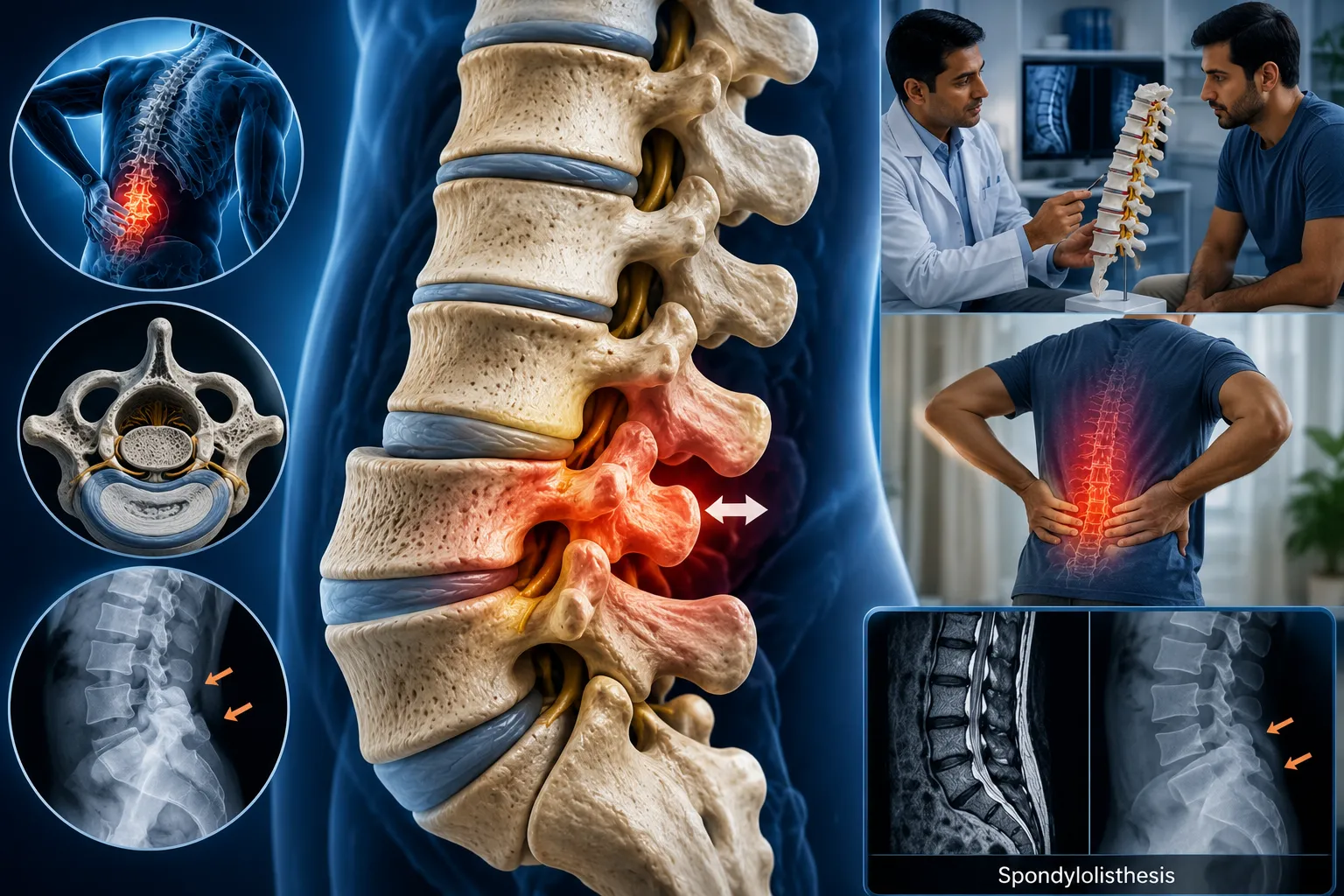
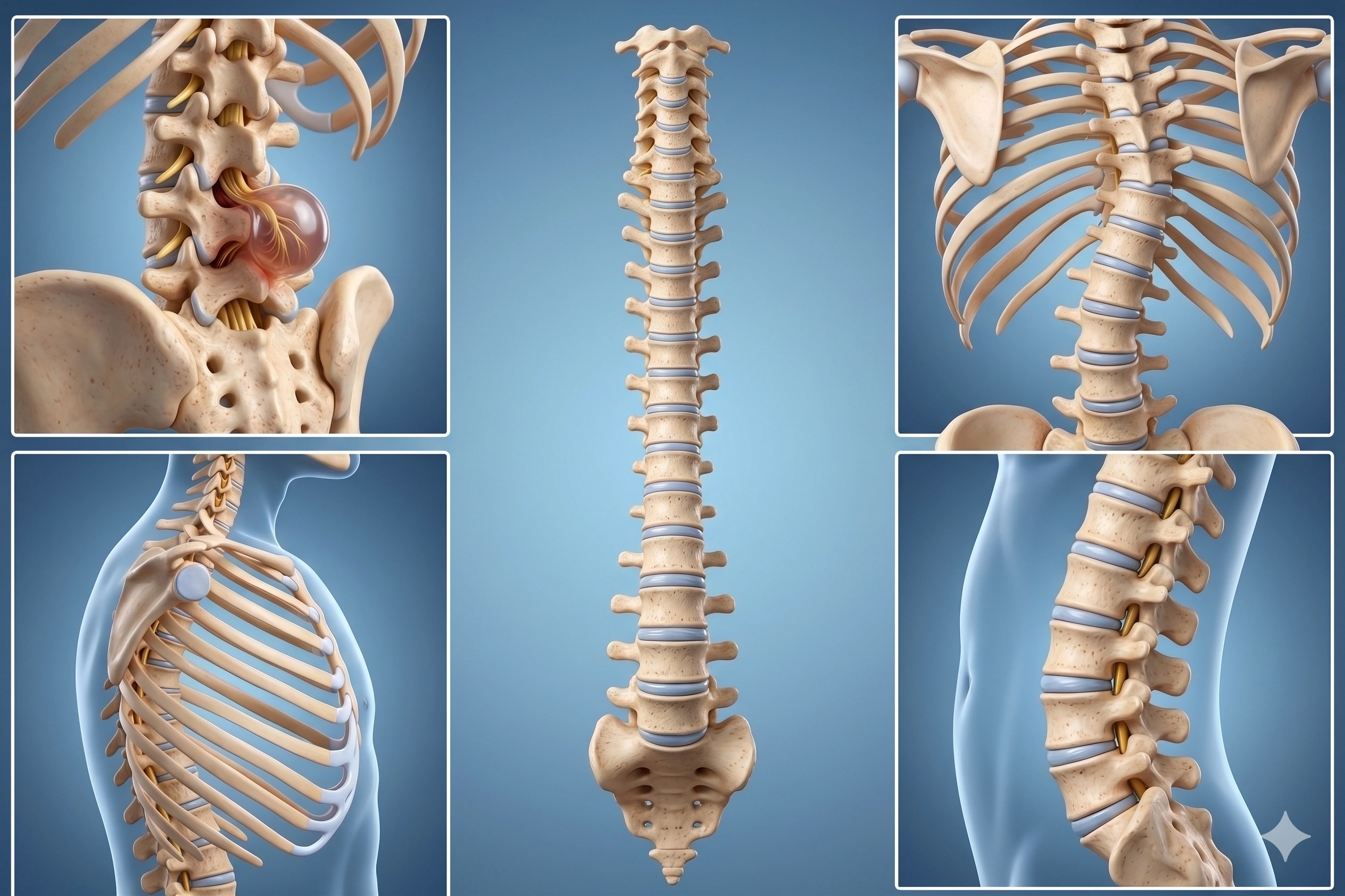
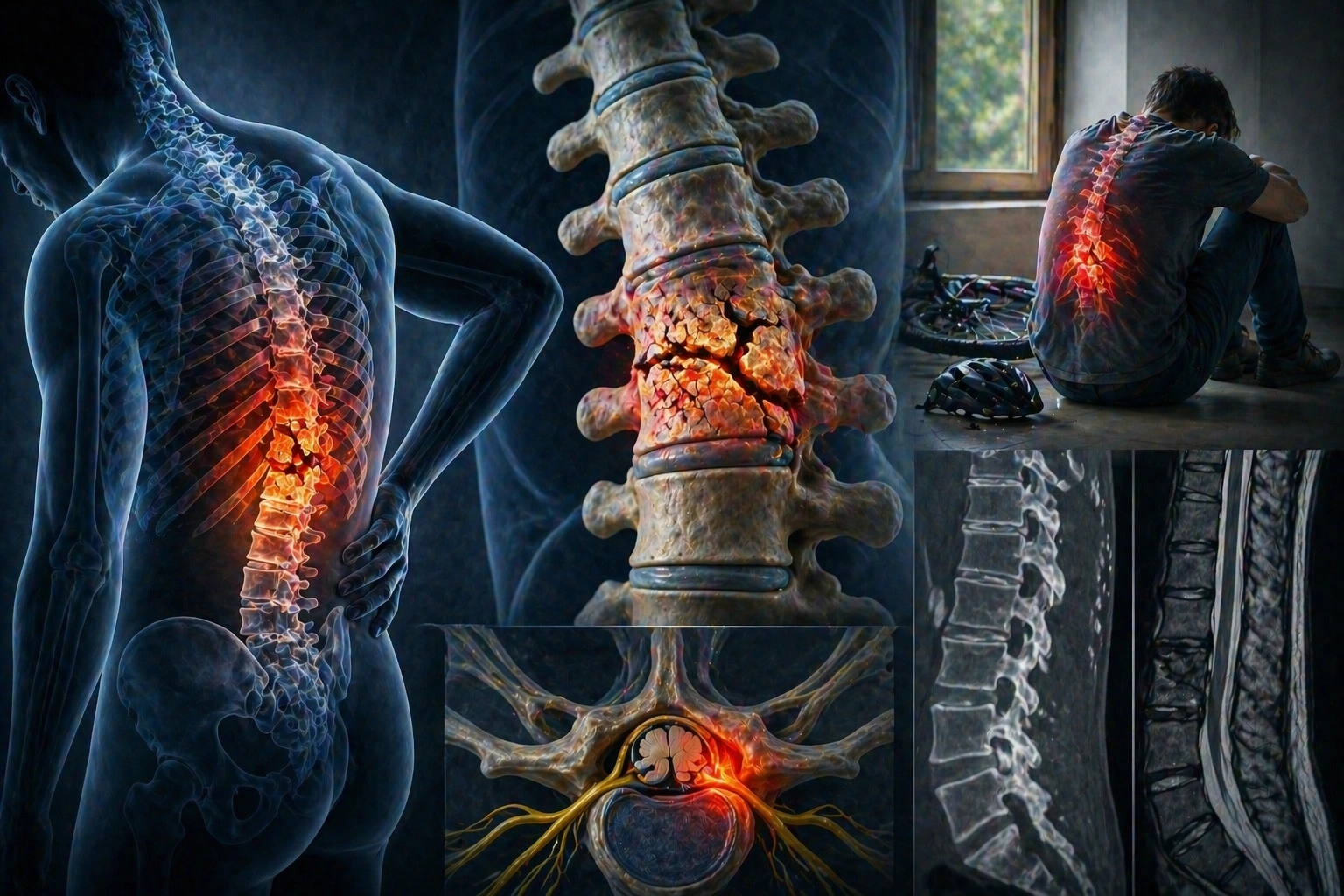
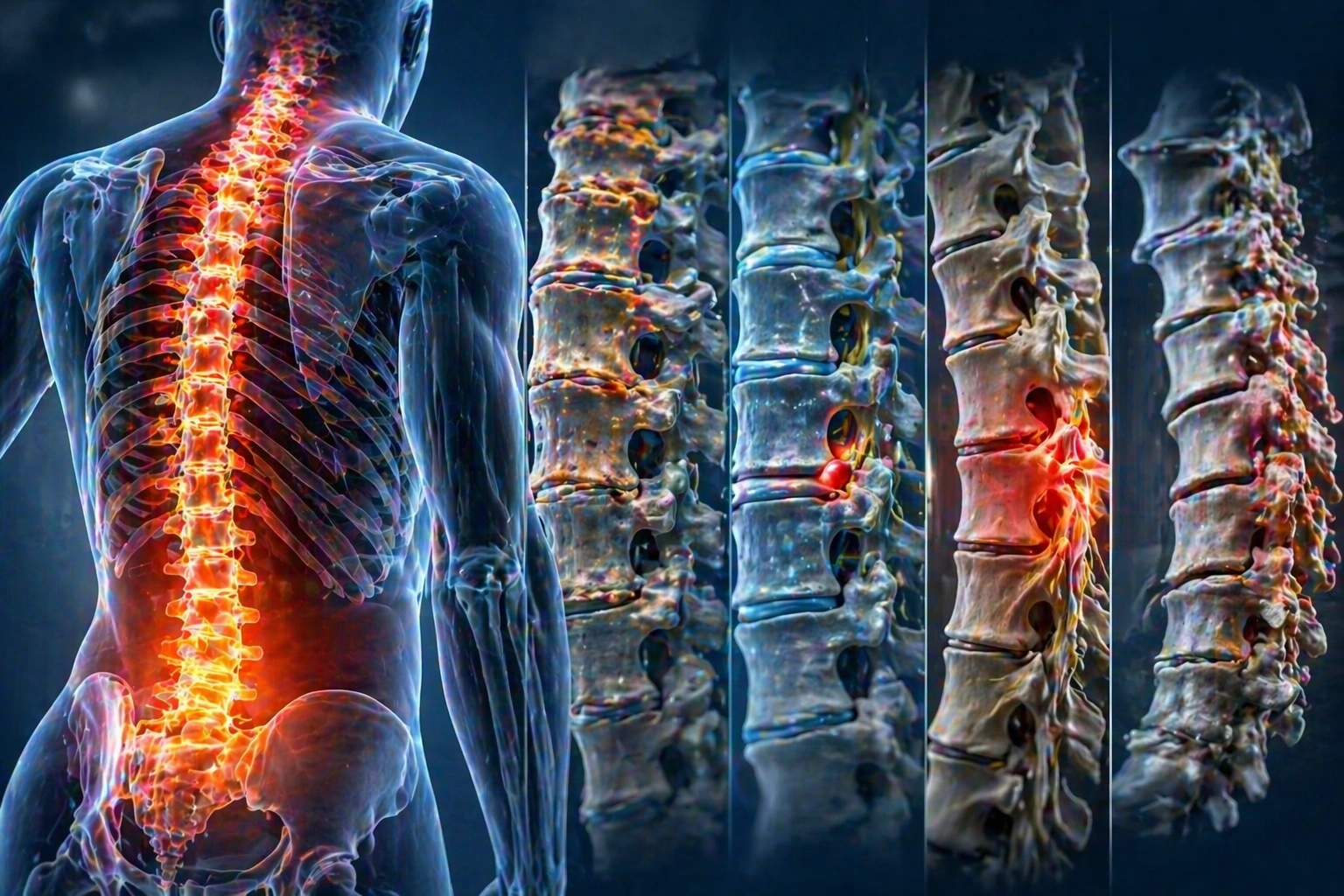
Degenerative conditions of the spine involve the gradual wear and breakdown of spinal structures, often resulting in persistent pain, reduced flexibility, and limited movement. These issues can occur at any age and may greatly affect a person’s daily life. Frequently seen conditions include osteoarthritis, degenerative disc disease, spinal stenosis, and scoliosis.

Osteoarthritis in the spine develops when the protective cartilage within spinal joints deteriorates over time, leading to friction between bones and the formation of bony growths. This commonly causes discomfort, stiffness, and restricted motion, especially in individuals above 50 years of age, with a higher occurrence in women.
Degenerative disc disease refers to the gradual weakening and breakdown of the discs that sit between the vertebrae. As these discs lose their cushioning function, individuals may experience pain, stiffness, and a higher likelihood of disc herniation.
Spinal stenosis occurs when the space within the spinal canal becomes constricted, placing pressure on nearby nerves. This often leads to symptoms such as pain, tingling, numbness, or weakness, particularly in the lower limbs. It is typically observed in older adults and may result from age-related spinal changes, disc issues, or bony overgrowth.
Scoliosis is characterized by an abnormal sideways curvature of the spine, which can create an uneven body structure. In some cases, it may lead to discomfort, reduced flexibility, or breathing challenges. Although it is commonly diagnosed during childhood or adolescence, it can also develop later in life.
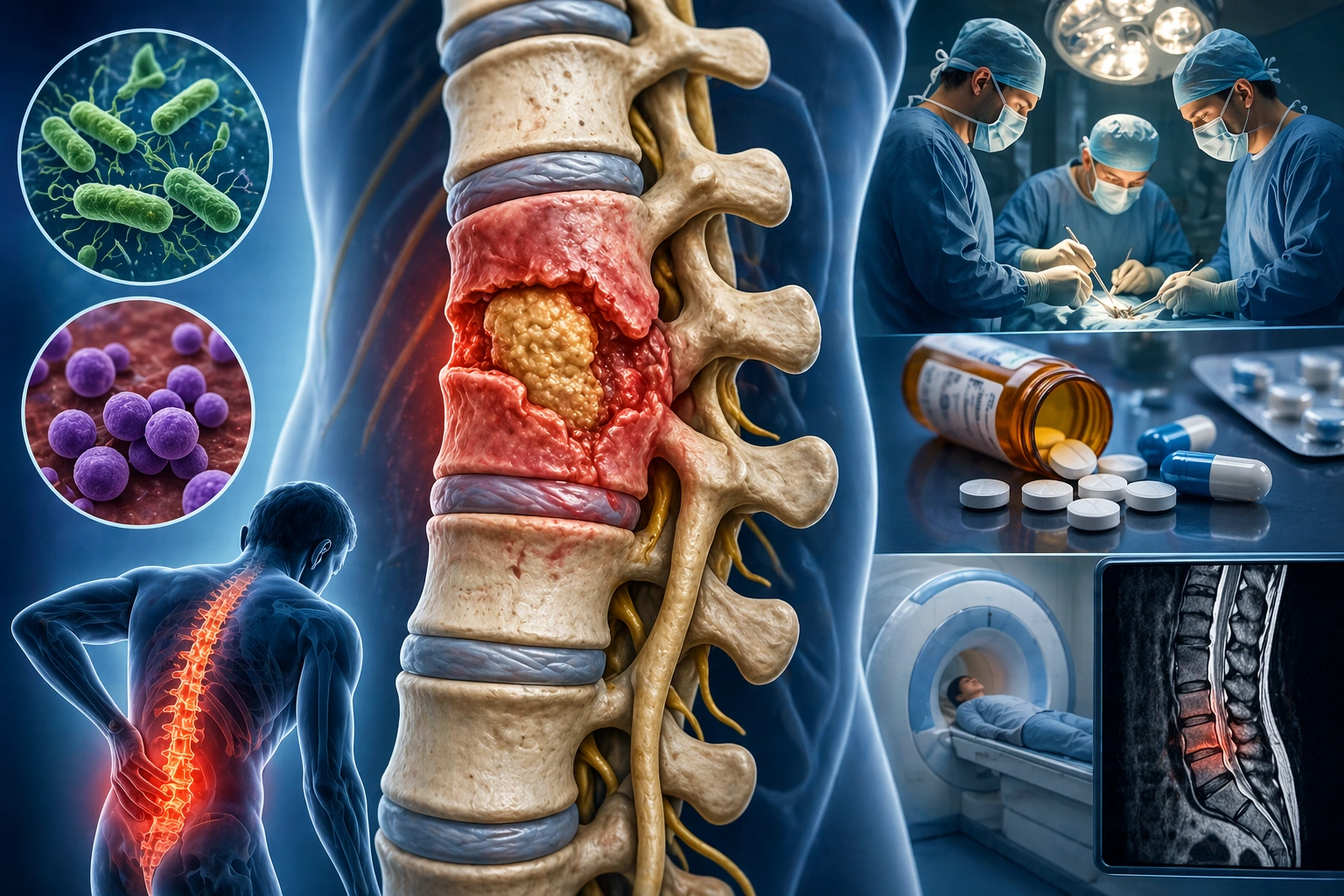
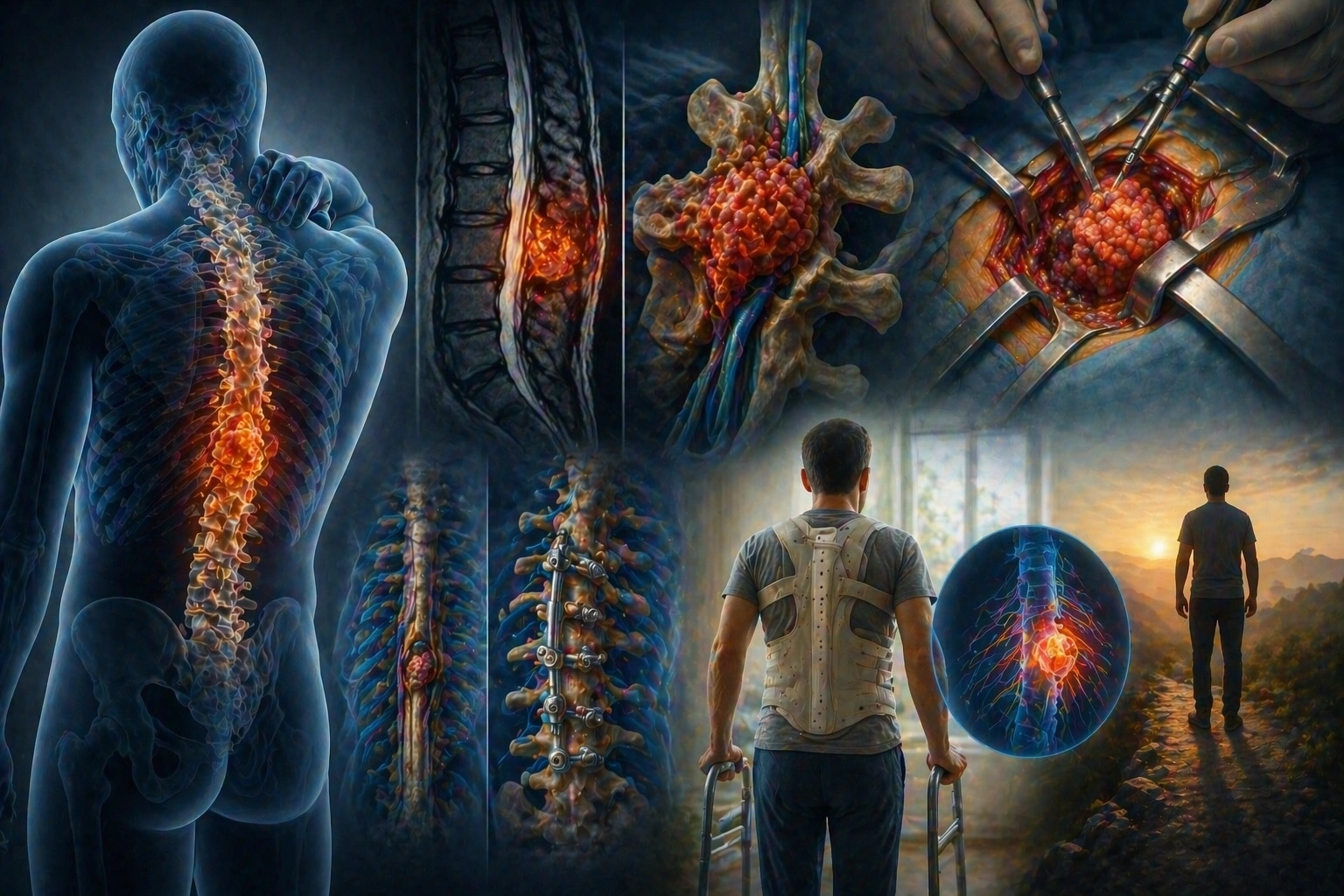
Management of these spinal conditions usually starts with non-surgical methods, including guided exercises, medications, and pain-relief therapies. When these approaches do not provide sufficient relief, surgical procedures may be considered to restore function and reduce discomfort.
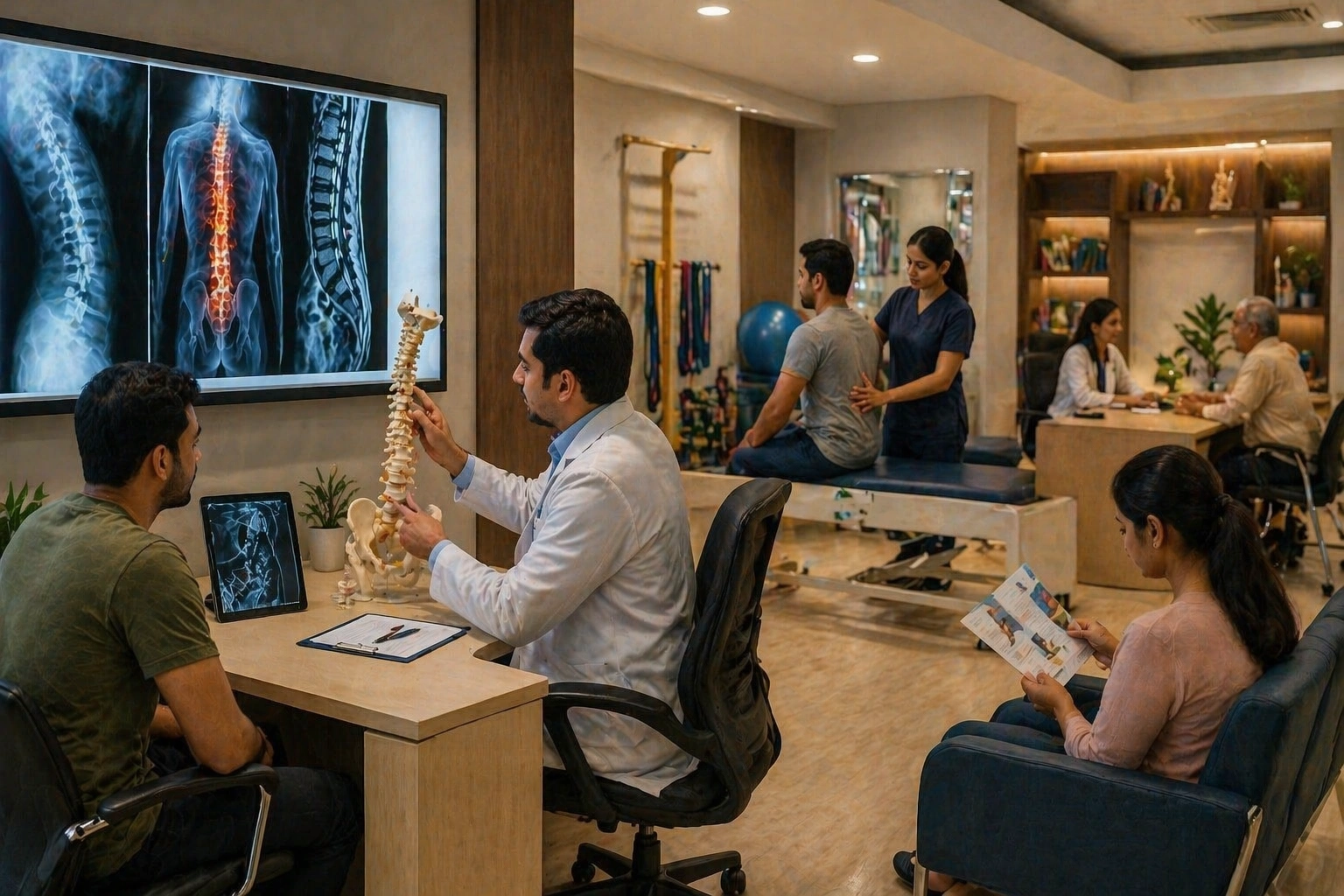
Vitus Clinical Services, located in Bangalore, is recognized for providing specialized care for individuals with spinal degeneration. They offer comprehensive treatment plans aimed at improving patient outcomes and enhancing overall well-being. Their team consists of highly trained professionals dedicated to delivering effective and personalized care.
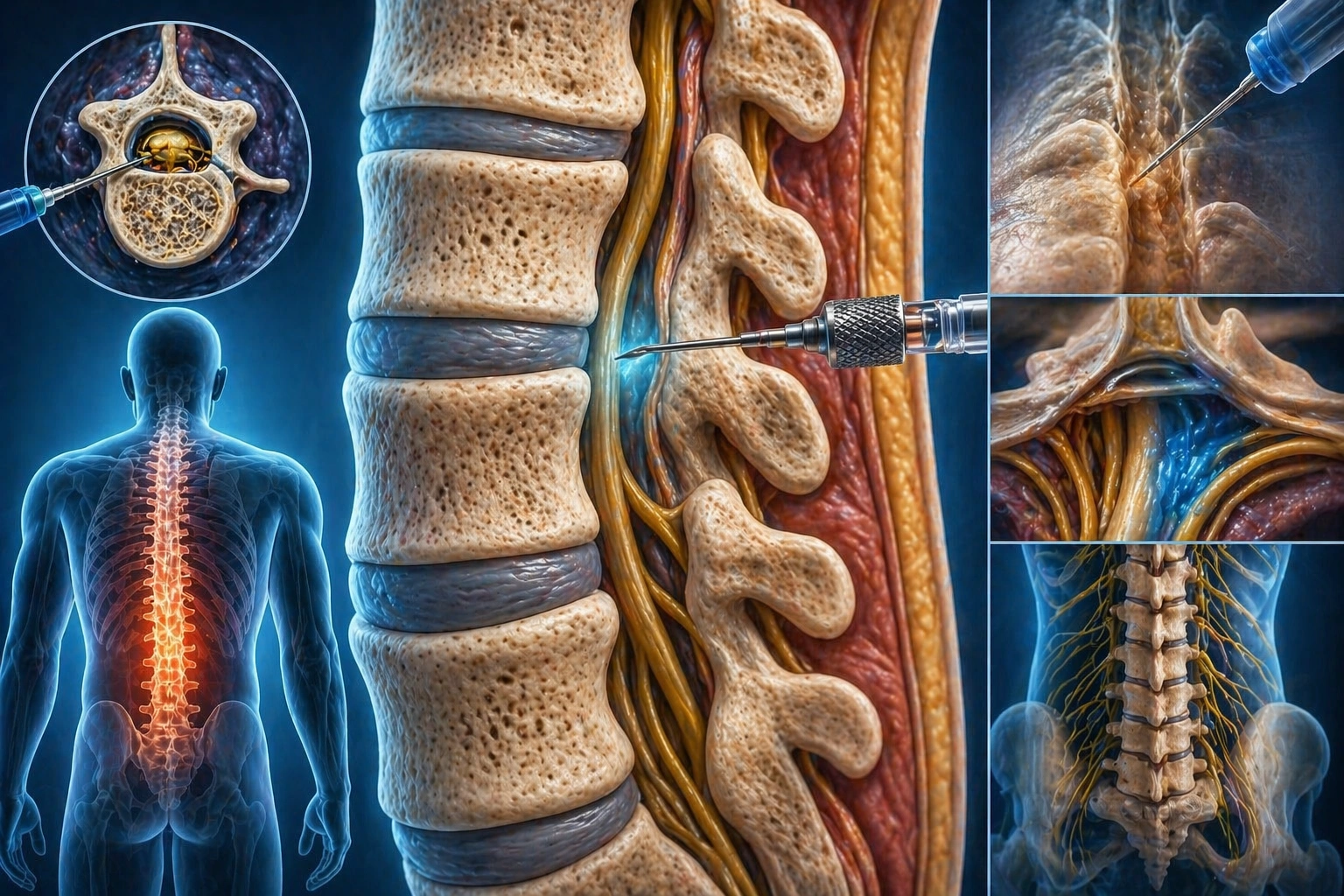
A key component of their treatment approach is physical therapy, which focuses on strengthening muscles, improving flexibility, and enhancing spinal movement. These therapies help reduce discomfort and support better mobility. Additionally, they provide advanced pain management techniques such as targeted injections and nerve-related treatments.
For cases requiring more intensive intervention, Vitus Clinical Services also provides surgical solutions. Their surgeons employ modern medical technologies and refined techniques to ensure safe procedures and improved recovery outcomes.
In summary, although degenerative spinal conditions can be challenging and impact everyday functioning, appropriate medical care can help individuals maintain mobility and lead a better quality of life. Vitus Clinical Services in Bangalore continues to offer reliable and comprehensive treatment options for managing these conditions effectively.
Osteoarthritis in the spine develops when the protective cartilage within spinal joints deteriorates over time, leading to friction between bones and the formation of bony growths. This commonly causes discomfort, stiffness, and restricted motion, especially in individuals above 50 years of age, with a higher occurrence in women.
Degenerative disc disease refers to the gradual weakening and breakdown of the discs that sit between the vertebrae. As these discs lose their cushioning function, individuals may experience pain, stiffness, and a higher likelihood of disc herniation.
Spinal stenosis occurs when the space within the spinal canal becomes constricted, placing pressure on nearby nerves. This often leads to symptoms such as pain, tingling, numbness, or weakness, particularly in the lower limbs. It is typically observed in older adults and may result from age-related spinal changes, disc issues, or bony overgrowth.
Scoliosis is characterized by an abnormal sideways curvature of the spine, which can create an uneven body structure. In some cases, it may lead to discomfort, reduced flexibility, or breathing challenges. Although it is commonly diagnosed during childhood or adolescence, it can also develop later in life.
Management of these spinal conditions usually starts with non-surgical methods, including guided exercises, medications, and pain-relief therapies. When these approaches do not provide sufficient relief, surgical procedures may be considered to restore function and reduce discomfort.
Vitus Clinical Services, located in Bangalore, is recognized for providing specialized care for individuals with spinal degeneration. They offer comprehensive treatment plans aimed at improving patient outcomes and enhancing overall well-being. Their team consists of highly trained professionals dedicated to delivering effective and personalized care.
A key component of their treatment approach is physical therapy, which focuses on strengthening muscles, improving flexibility, and enhancing spinal movement. These therapies help reduce discomfort and support better mobility. Additionally, they provide advanced pain management techniques such as targeted injections and nerve-related treatments.
For cases requiring more intensive intervention, Vitus Clinical Services also provides surgical solutions. Their surgeons employ modern medical technologies and refined techniques to ensure safe procedures and improved recovery outcomes.
In summary, although degenerative spinal conditions can be challenging and impact everyday functioning, appropriate medical care can help individuals maintain mobility and lead a better quality of life. Vitus Clinical Services in Bangalore continues to offer reliable and comprehensive treatment options for managing these conditions effectively.